


- Ronny Mor
- •
- 5 Min Read
- •
- 3 weeks ago
Key Points
- Dozens of investment tools exist in the market — but very few offer full transparency on risk-return conditions before entry.
- Structured products don't compete on "who earns more" — they offer an entirely different layer of control and clarity.
- The real differentiator isn't the return — it's the certainty around the framework in which that return is generated.

When investors ask “why a structured product instead of something else?” — the right answer isn’t “because the return is higher.” The answer is: because it’s an entirely different kind of tool. It doesn’t compete on the same dimension as other vehicles — it operates on a different axis altogether.
What Other Tools Offer — and What’s Missing
Equities offer high growth potential — with volatility that can require nerves of steel. Bonds offer stability — but in certain environments, the yield barely keeps pace with inflation. Mutual funds offer diversification — but without control over the risk conditions. ETFs offer liquidity and transparency — but expose the investor to every market movement, including the ones they’re not prepared for.
Each of these tools has real merit. But they all share one characteristic: their risk is open-ended. You enter with a hope about what will happen — not with a clear framework for what happens in every scenario.
What Structured Products Do Differently
The structured framework offers something no conventional tool can match: a full definition of all possible scenarios before you commit a single dollar. Market rises? You have a defined participation structure. Market falls? There’s a known boundary. Period of uncertainty? The terms don’t change. This doesn’t mean there’s no risk — it means the risk is shaped and agreed upon in advance, rather than discovered after the fact.
For an investor tired of feeling like they’re constantly guessing — this approach gives back a genuine sense of control.
Not a Replacement — An Addition
Structured products aren’t designed to replace all other investments. They’re designed to occupy a unique position within the portfolio — the layer that balances, protects, and allows the rest of the assets to work more aggressively. An investor who holds part of their portfolio within a defined framework can afford to take more risk elsewhere — because there’s a known floor underneath.
That’s not a compromise. That’s intelligent portfolio construction.
Comparison, examination, and analysis between investment houses
Leave your details, and an expert from our team will get back to you as soon as possible
* This article, in whole or in part, does not contain any promise of investment returns, nor does it constitute professional advice to make investments in any particular field.
To read more about the full disclaimer, click here
- Ronny Mor
- •
- 6 Min Read
- •
- ago 3 days
SKN | Berkshire Hathaway Cash Pile Surges in Greg Abel’s First Quarter as CEO—What It Signals for Markets
Berkshire Hathaway reported a sharp rise in its cash reserves during the first quarter under new CEO Greg Abel,
- ago 3 days
- •
- 6 Min Read

Berkshire Hathaway reported a sharp rise in its cash reserves during the first quarter under new CEO Greg Abel,

- Lior mor
- •
- 6 Min Read
- •
- ago 1 week
SKN | Defensive Investing Rebounds: BofA’s “Sleep Like a Baby” Portfolio Delivers Its Strongest Performance in Decades
Bank of America’s “sleep like a baby” portfolio, known for its focus on low-volatility, high-quality stocks, is experiencing its
- ago 1 week
- •
- 6 Min Read

Bank of America’s “sleep like a baby” portfolio, known for its focus on low-volatility, high-quality stocks, is experiencing its
- Ronny Mor
- •
- 5 Min Read
- •
- ago 4 weeks
SKN | Is Warren Buffett Invested in McDonald’s? What Berkshire Hathaway’s Portfolio Reveals
Warren Buffett, widely regarded as one of the most influential investors globally, is often associated with iconic consumer brands—including
- ago 4 weeks
- •
- 5 Min Read
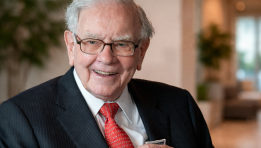
Warren Buffett, widely regarded as one of the most influential investors globally, is often associated with iconic consumer brands—including

- sagi habasov
- •
- 5 Min Read
- •
- ago 4 weeks
SKN | Bill Gates’ Portfolio Concentration—What His Top 3 Holdings Reveal About Long-Term Strategy
The Bill & Melinda Gates Foundation Trust, managing roughly $36 billion in assets, has allocated a significant portion of
- ago 4 weeks
- •
- 5 Min Read
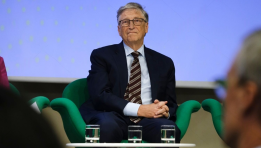
The Bill & Melinda Gates Foundation Trust, managing roughly $36 billion in assets, has allocated a significant portion of

