


- Ronny Mor
- •
- 6 Min Read
- •
- 17 seconds ago
Key Points
- Sticky Inflation: Core PCE rose 0.3% in March, maintaining a 2.6% annual pace—still hovering above the central bank’s target.
- Consumer Spending Slowdown: Despite rising prices, U.S. consumers are tightening their belts, with real spending growth coming in softer than expected.
- Monetary Implications: Today’s data reinforces market expectations that the Federal Reserve will refrain from cutting rates during its upcoming May meeting.
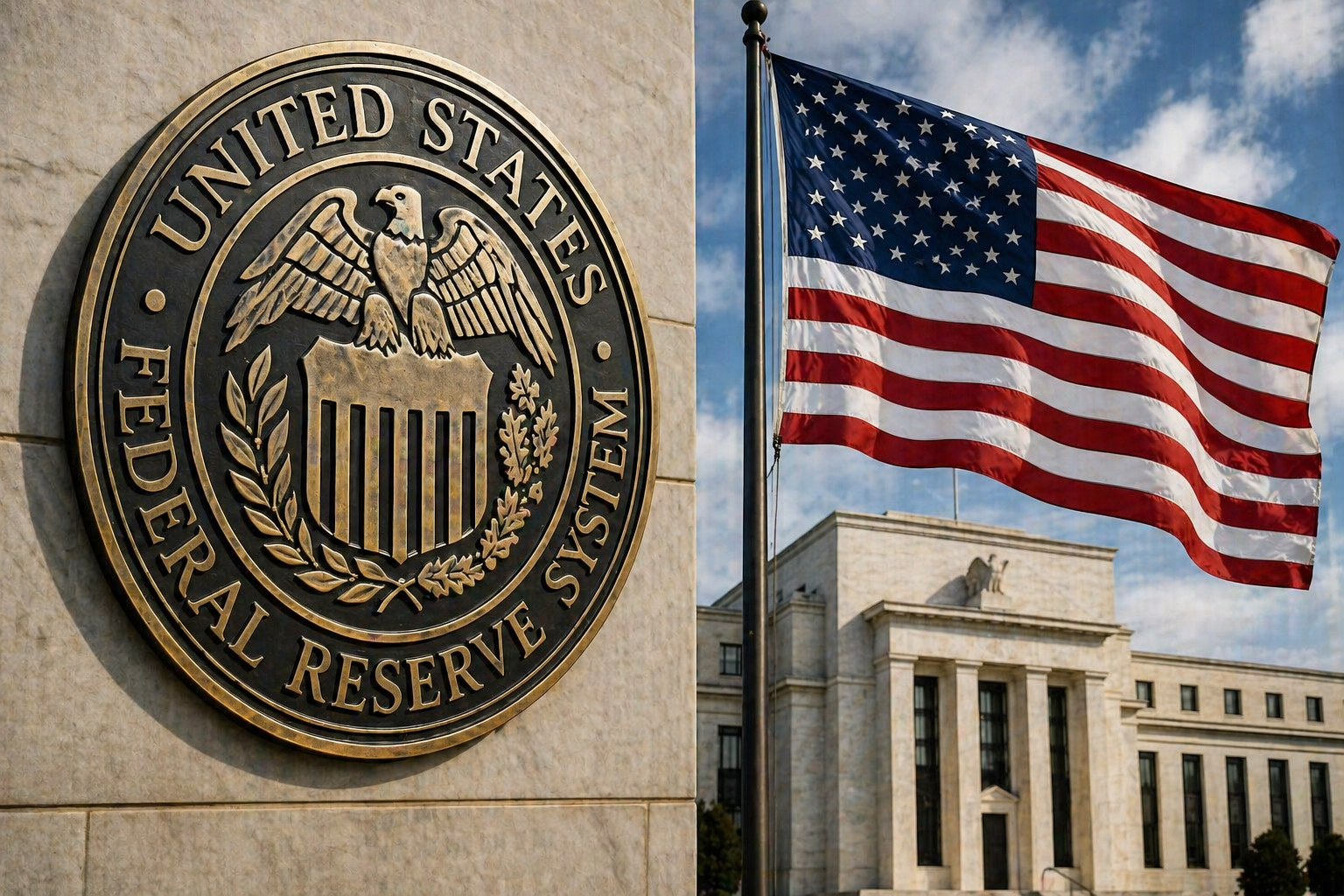
The U.S. economy received a sharp reminder today (Thursday) of the complexities involved in the battle against rising costs, with the release of the Personal Consumption Expenditures (PCE) price index for March. The index, widely considered the Federal Reserve’s preferred inflation gauge, showed gains that aligned with grim forecasts but revealed a troubling picture of “sticky” inflation refusing to converge toward the 2% target. These figures arrive at a particularly sensitive time, just ahead of the central bank’s fateful interest rate decision, forcing policymakers and Wall Street investors to recalibrate their expectations for a “higher for longer” interest rate environment that may persist well into the next year.
Breaking Down the Components: Service Sector Cost Rollover
A deeper dive into the March data indicates that while goods prices show signs of moderate stabilization, the services sector remains the primary inflation driver. Persistent wage growth in a tight labor market is translating directly into a “cost rollover” to the final consumer in areas such as housing, insurance, and healthcare. Furthermore, the simultaneous rise in the Employment Cost Index (ECI) suggests that labor-related price pressures are not yet abating, potentially leading to a wage-price spiral that complicates the Fed’s mandate. The core index, which excludes volatile food and energy prices, remained at a 2.8% annual rate—a figure suggesting that inflationary pressures have become structurally embedded within the American economy. This significantly narrows the room for maneuver for Fed Chair Jerome Powell, who must now balance price restraint with the prevention of a sudden economic stall.
Consumer Psychology and the Expectation Bias
A fascinating aspect of the report is the divergence between price increases and real consumer spending. After a prolonged period of “revenge spending,” the American consumer appears to be suffering from psychological inflation fatigue. The optimism that defined the start of the year is being replaced by a “pessimism bias,” as households scale back on non-essential purchases due to the cumulative weight of high interest rates. This behavior is a double-edged sword for the Fed: on one hand, it aids in curbing demand and cooling prices; on the other, it heightens fears that high interest rates will push too hard on the brakes. The bond market reacted sharply to this reality, with yields climbing as investors abandoned hope for a quick monetary pivot, reflecting a grim acceptance of the Fed’s restrictive stance.
The Ball is Back in Powell’s Court
In summary, the March PCE report solidifies the “Higher for Longer” narrative in financial markets. While inflation is not skyrocketing as it did in previous years, it is proving remarkably resilient against monetary tightening tools. Professional investors are already pricing in further delays for rate cuts toward the latter half of 2026, while closely monitoring every official statement from the upcoming FOMC meeting. The coming days will be critical in setting the market’s tone, as the central question remains: how much longer can the real economy withstand the current interest rate burden before these growing cracks turn into structural fractures that necessitate drastic intervention?
Comparison, examination, and analysis between investment houses
Leave your details, and an expert from our team will get back to you as soon as possible
* This article, in whole or in part, does not contain any promise of investment returns, nor does it constitute professional advice to make investments in any particular field.
To read more about the full disclaimer, click here
- omer bar
- •
- 6 Min Read
- •
- ago 3 hours
SKN | Fed’s Final Powell Meeting: How the “Higher for Longer” Stalemate Alters Global Carry Trade
Economic Framework: The Mechanics of FX and Interest Rate Equilibrium The global currency market has entered a period of relative
- ago 3 hours
- •
- 6 Min Read
Economic Framework: The Mechanics of FX and Interest Rate Equilibrium The global currency market has entered a period of relative

- Lior mor
- •
- 9 Min Read
- •
- ago 6 hours
SKN | Are Stagflation Fears Underpriced as the Iran War Disrupts Global Energy Markets?
The prolonged conflict involving Iran and the continued closure of the Strait of Hormuz are increasingly reshaping global economic expectations,
- ago 6 hours
- •
- 9 Min Read

The prolonged conflict involving Iran and the continued closure of the Strait of Hormuz are increasingly reshaping global economic expectations,
- omer bar
- •
- 6 Min Read
- •
- ago 1 day
SKN | Why the Fed Is ‘Firmly Parked’ on Rates as Powell Faces His Final Meeting
The Federal Reserve is set to hold interest rates steady, reinforcing a “wait-and-see” approach as policymakers assess the economic impact
- ago 1 day
- •
- 6 Min Read

The Federal Reserve is set to hold interest rates steady, reinforcing a “wait-and-see” approach as policymakers assess the economic impact

- Ronny Mor
- •
- 7 Min Read
- •
- ago 2 days
SKN | Are UK Retail Discounts Signaling a Deeper Demand Slowdown as Consumer Confidence Slips?
UK retailers are stepping up promotional activity and expanding discounts as signs of weakening consumer confidence begin to filter through
- ago 2 days
- •
- 7 Min Read

UK retailers are stepping up promotional activity and expanding discounts as signs of weakening consumer confidence begin to filter through

