


- Lior mor
- •
- 6 Min Read
- •
- 7 hours ago
Key Points
- Tesla logged zero autonomous test miles in California in 2025.
- Waymo completed over 13 million test miles before commercial approval.
- Robotaxi deployment remains central to Tesla’s long-term valuation thesis.
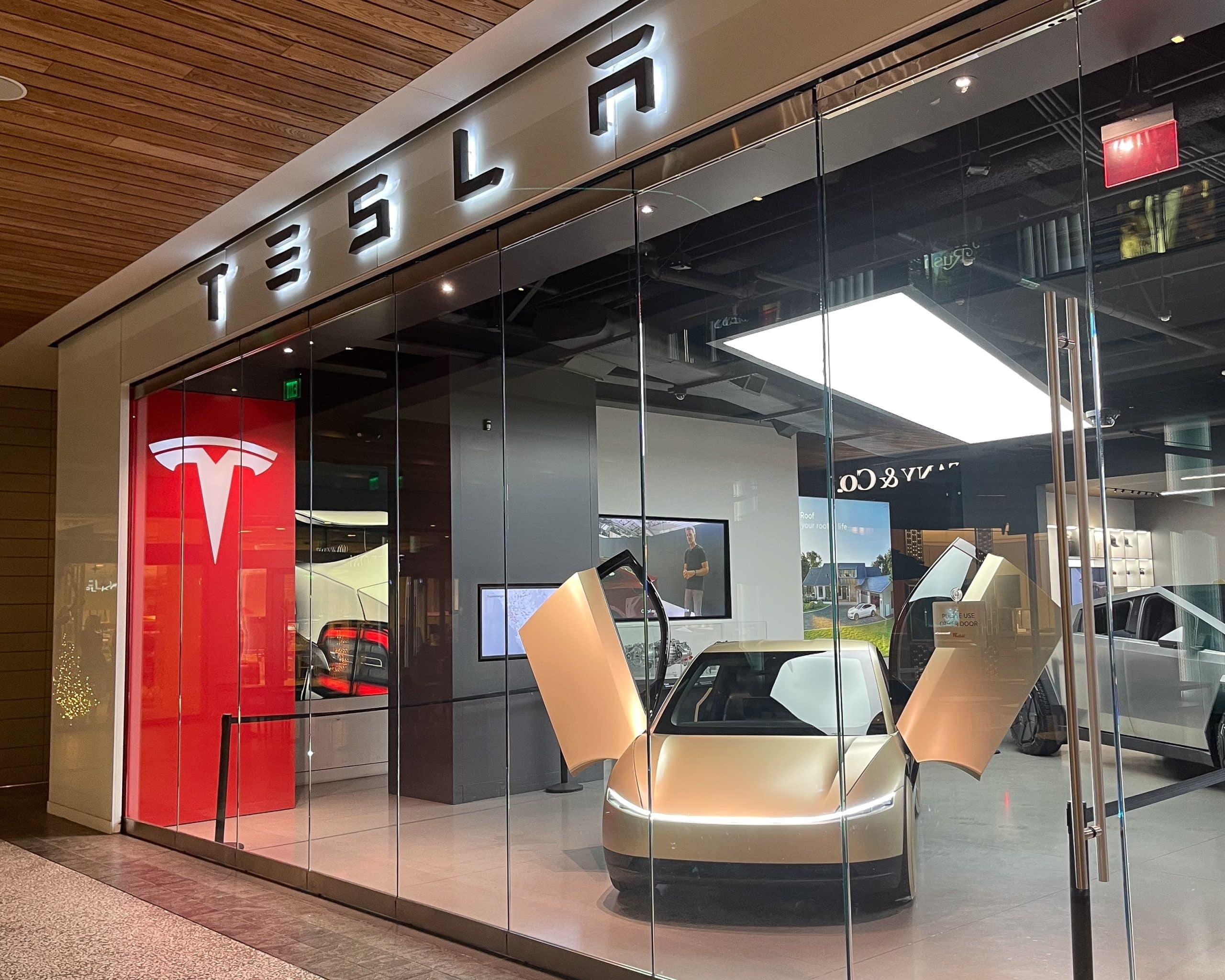
Tesla’s long-promised rollout of a fully driverless robotaxi fleet in California appears further from reality than public statements suggest. Despite repeated claims by CEO Elon Musk that deployment is only months away pending regulatory approval, state records indicate Tesla logged zero autonomous test miles in California throughout 2025 — marking the sixth consecutive year without recorded driverless testing activity. The discrepancy raises questions about execution risk in one of the most valuation-sensitive pillars of Tesla’s long-term strategy.
Permits Require Proof — and Tesla Filed None
California maintains one of the most structured regulatory frameworks for autonomous vehicles in the United States. Companies must accumulate documented test miles and progress through a series of permits before operating a commercial driverless ride-hailing service. Logging miles is not procedural formality — it is a prerequisite.
Tesla, however, did not record any autonomous testing mileage in 2025, according to Department of Motor Vehicles data. Without such documentation, advancement toward commercial permits remains unlikely.
By contrast, Alphabet’s Waymo logged more than 13 million test miles between 2014 and 2023 and secured seven regulatory approvals before gaining authorization to charge passengers for fully driverless rides. Waymo currently operates as one of only three companies permitted to commercially deploy autonomous vehicles in California — and the only one running a scaled robotaxi service resembling Tesla’s stated vision.
Market Valuation Hinges on Autonomy Narrative
Tesla’s $1.5 trillion market capitalization remains heavily tied to investor expectations of autonomous driving monetization — including a vast robotaxi fleet and subscription-based Full Self-Driving software revenue. California, as the largest U.S. auto market, represents a critical proving ground.
So far, Tesla’s operational footprint is limited. The company runs a small pilot robotaxi service in Austin, Texas, where regulatory barriers are lower. In California’s Bay Area, what Tesla describes as a “robotaxi” service is effectively a chauffeur operation with human drivers using driver-assistance software that regulators classify as non-autonomous.
On prior earnings calls, Musk has emphasized a “paranoid about safety” posture, framing regulatory delays as prudence rather than readiness gaps. However, critics argue the absence of formal testing activity contradicts the narrative that approval is imminent.
Regulation or Readiness? The Strategic Crossroads
Tesla has publicly criticized elements of California’s autonomous driving framework, calling certain testing-mile requirements and reporting standards overly burdensome. Musk has frequently suggested the state’s regulatory process is the primary obstacle.
Yet industry observers contend regulators are prepared to evaluate applications — if companies submit the required data. The contrast between Tesla’s lack of documented progress and competitors’ multi-year permit advancement underscores a widening execution gap.
For investors, the issue is not immediate earnings impact but forward optionality. Autonomy remains a long-duration catalyst embedded in Tesla’s valuation. Any delay in commercialization timelines increases scrutiny over the pace of real-world deployment.
Looking ahead, Tesla’s path in California will depend on whether the company accelerates formal testing under state supervision or continues focusing on less restrictive jurisdictions. The longer the regulatory gap persists, the more markets may demand tangible milestones rather than aspirational timelines.
Comparison, examination, and analysis between investment houses
Leave your details, and an expert from our team will get back to you as soon as possible
* This article, in whole or in part, does not contain any promise of investment returns, nor does it constitute professional advice to make investments in any particular field.
To read more about the full disclaimer, click here
- sagi habasov
- •
- 5 Min Read
- •
- ago 1 hour
SKN | Qnity Sees AI-Fueled Earnings Surge, Launches $500M Buyback After Strong Outlook
Newly listed semiconductor solutions provider Qnity Electronics issued an upbeat full-year 2026 forecast, signaling that demand tied to artificial intelligence,
- ago 1 hour
- •
- 5 Min Read
Newly listed semiconductor solutions provider Qnity Electronics issued an upbeat full-year 2026 forecast, signaling that demand tied to artificial intelligence,

- omer bar
- •
- 6 Min Read
- •
- ago 16 hours
SKN | Nvidia CEO Says Pentagon–Anthropic Rift Is ‘Not the End of the World’
Nvidia Chief Executive Jensen Huang sought to ease investor and industry concerns over reported tensions between the U.S. Department of
- ago 16 hours
- •
- 6 Min Read
Nvidia Chief Executive Jensen Huang sought to ease investor and industry concerns over reported tensions between the U.S. Department of

- Lior mor
- •
- 6 Min Read
- •
- ago 16 hours
SKN | Baidu’s $11 Billion Selloff Highlights Challenges in Meeting AI Expectations
Baidu Inc.’s stock has experienced a sharp decline, with shares retreating from January highs as investors reassess the company’s ability
- ago 16 hours
- •
- 6 Min Read
Baidu Inc.’s stock has experienced a sharp decline, with shares retreating from January highs as investors reassess the company’s ability
- Lior mor
- •
- 7 Min Read
- •
- ago 1 day
SKN | Anthropic Loosens AI Safety Pledge as Competition With OpenAI Intensifies
Anthropic has softened one of its core safety commitments, marking a significant shift for a company that once positioned itself
- ago 1 day
- •
- 7 Min Read

Anthropic has softened one of its core safety commitments, marking a significant shift for a company that once positioned itself

