





- omer bar
- •
- 6 Min Read
- •
- 1 hour ago
Key Points
- Tesla exceeded revenue expectations with $28.24 billion in second-quarter sales but missed EPS estimates with $0.33 per share.
- Higher spending on AI infrastructure and manufacturing expansion weighed on quarterly profitability.
- Investors remain focused on Tesla's long-term AI strategy, vehicle demand, and the potential returns from its elevated capital investment program.
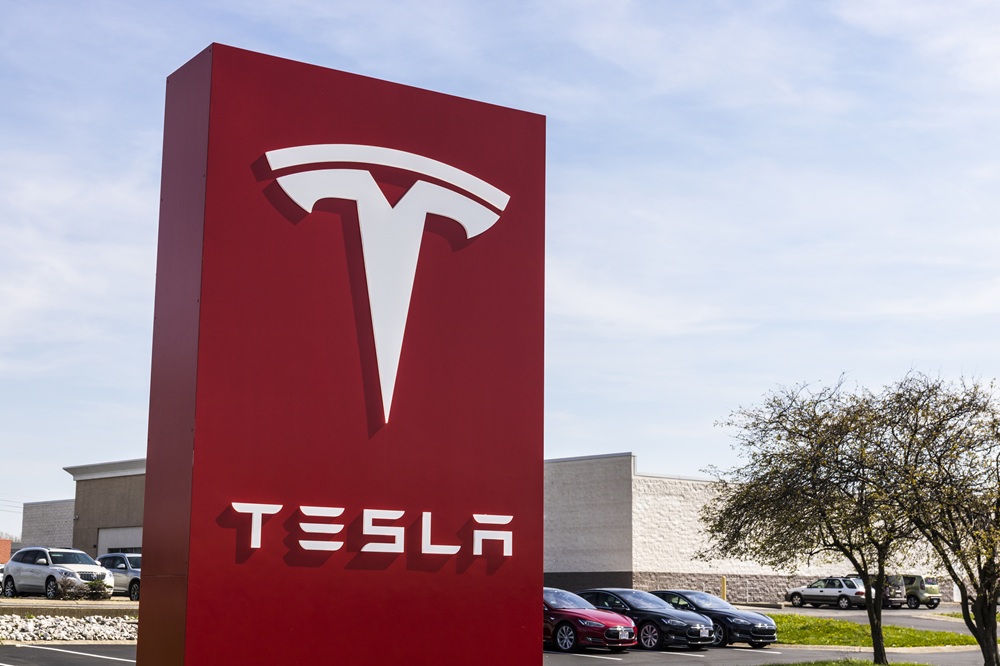
Tesla delivered mixed second-quarter results, posting stronger-than-expected revenue while falling short of Wall Street’s earnings expectations. The electric vehicle manufacturer generated robust top-line growth, but increased investment in artificial intelligence infrastructure, manufacturing capacity, and future technology initiatives weighed on quarterly profitability.
The earnings report reinforces Tesla’s strategy of prioritizing long-term expansion over short-term margin optimization as competition intensifies across the global electric vehicle market.
Revenue Tops Expectations While EPS Falls Short
Tesla reported second-quarter revenue of $28.24 billion, comfortably surpassing analysts’ expectations of $25.55 billion. The stronger-than-anticipated sales performance suggests continued resilience across the company’s automotive and energy businesses despite a challenging industry environment.
However, earnings per share came in at $0.33, well below the consensus estimate of $0.49. The earnings shortfall indicates that higher operating expenses and investment spending more than offset the revenue outperformance.
Following the results, investors focused on the widening gap between Tesla’s revenue growth and profitability, highlighting the company’s continued emphasis on funding future expansion.
AI and Manufacturing Spending Continue to Pressure Margins
Tesla’s latest quarter reflects its aggressive investment strategy, with increased capital expenditures directed toward artificial intelligence infrastructure, manufacturing expansion, and next-generation technologies.
The company has been allocating significant resources to AI development, autonomous driving capabilities, robotics, and computing infrastructure while continuing to expand production capacity. Although these investments may strengthen Tesla’s long-term competitive position, they are placing near-term pressure on operating margins and earnings.
Management has consistently argued that sustained investment is necessary to support future growth opportunities across autonomous mobility, AI-powered services, and energy solutions.
Investors Turn Their Attention to Long-Term Growth
While the earnings miss may create short-term volatility, investors are expected to focus equally on Tesla’s forward guidance and management’s commentary regarding vehicle demand, AI commercialization, and capital allocation.
The company’s ability to convert heavy investment into higher future earnings remains a central theme for shareholders. Updates on autonomous driving technology, robotaxi development, manufacturing efficiency, and AI infrastructure could have a greater influence on long-term valuation than a single quarterly earnings miss.
Tesla continues to occupy a unique position at the intersection of automotive manufacturing, artificial intelligence, robotics, and energy technology, making its investment strategy a critical factor for investors evaluating future growth.
Looking ahead, Tesla’s performance will likely depend on whether its substantial investments in AI and manufacturing translate into stronger profitability over the coming years. While revenue momentum remains encouraging, investors will continue watching for evidence that expanding capital expenditures can generate sustainable earnings growth and reinforce the company’s leadership across multiple technology-driven industries.
Comparison, examination, and analysis between investment houses
Leave your details, and an expert from our team will get back to you as soon as possible
* This article, in whole or in part, does not contain any promise of investment returns, nor does it constitute professional advice to make investments in any particular field.
To read more about the full disclaimer, click here
- sagi habasov
- •
- 6 Min Read
- •
- ago 2 hours
SKN | Tenet Healthcare Faces Earnings Test as Investors Look for Steady Growth and Margin Strength
Tenet Healthcare is set to release its second-quarter financial results before the opening bell, with investors looking for signs that
- ago 2 hours
- •
- 6 Min Read

Tenet Healthcare is set to release its second-quarter financial results before the opening bell, with investors looking for signs that

- Lior mor
- •
- 6 Min Read
- •
- ago 4 hours
SKN | Galderma Raises Full-Year Outlook After Strong First-Half Sales Growth Boosts Investor Confidence
Swiss dermatology and aesthetics company Galderma has raised its full-year outlook after reporting a significant increase in first-half sales, highlighting
- ago 4 hours
- •
- 6 Min Read
Swiss dermatology and aesthetics company Galderma has raised its full-year outlook after reporting a significant increase in first-half sales, highlighting
- sagi habasov
- •
- 6 Min Read
- •
- ago 4 hours
SKN | Hyundai Motor Misses Q2 Profit Estimates as Weak Sales and Rising Costs Pressure Earnings
Hyundai Motor reported weaker-than-expected second-quarter earnings as slowing vehicle sales, production challenges, and rising operating costs offset the benefits of
- ago 4 hours
- •
- 6 Min Read
Hyundai Motor reported weaker-than-expected second-quarter earnings as slowing vehicle sales, production challenges, and rising operating costs offset the benefits of

- omer bar
- •
- 6 Min Read
- •
- ago 10 hours
SKN | Strong Enterprise AI Demand Helps ServiceNow Surpass Q2 CY2026 Expectations
ServiceNow (NYSE: NOW) delivered stronger-than-expected financial results for the second quarter of calendar year 2026, underscoring resilient enterprise demand for
- ago 10 hours
- •
- 6 Min Read
ServiceNow (NYSE: NOW) delivered stronger-than-expected financial results for the second quarter of calendar year 2026, underscoring resilient enterprise demand for


