





- Arik Arkadi Sluzki
- •
- 6 Min Read
- •
- 1 hour ago
Key Points
- Tesla delivered 480,126 vehicles during the latest quarter, demonstrating continued production strength despite a challenging electric vehicle market.
- The stock failed to rally following the delivery report, as investors remained focused on pricing pressure, margins, and long-term profitability rather than delivery volume alone.
- Artificial intelligence initiatives, autonomous driving technology, and upcoming product launches continue to shape Tesla's long-term investment narrative.
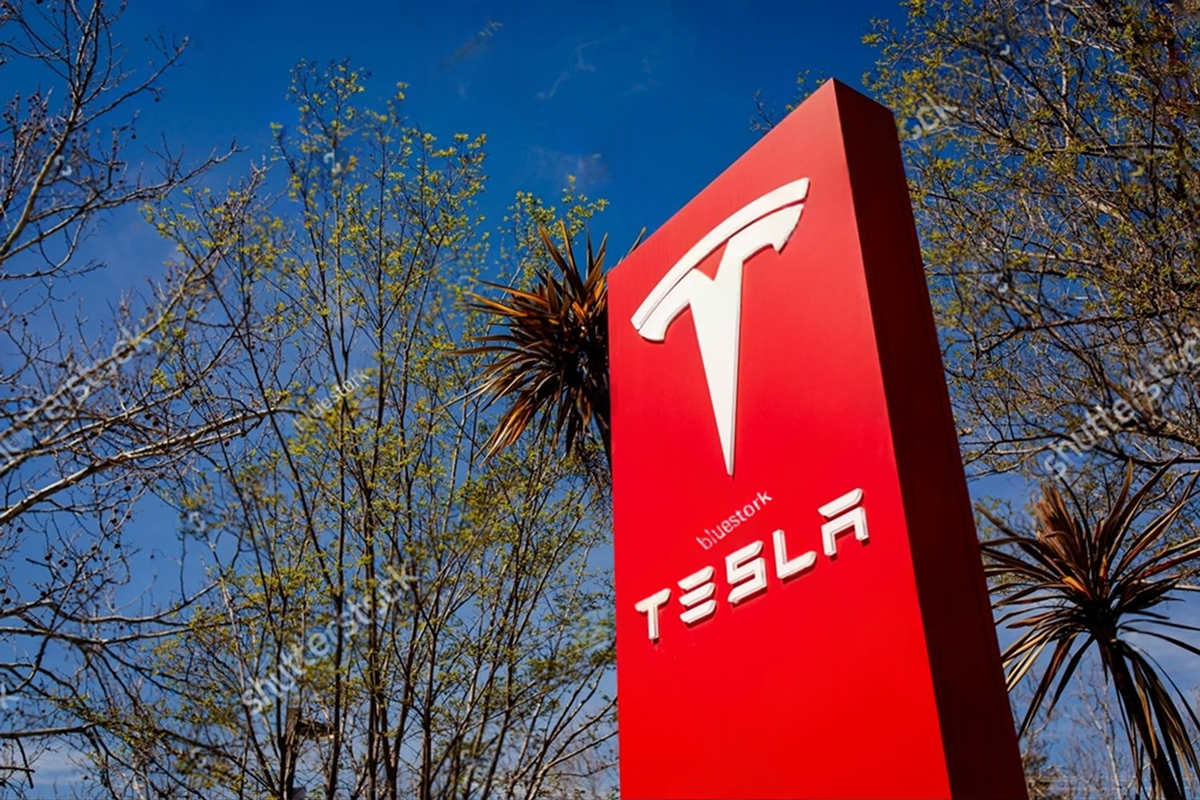
Tesla reported quarterly vehicle deliveries of 480,126 units, a figure that highlighted the company’s ability to maintain significant production and global distribution despite slowing growth across the electric vehicle industry. However, the market response was notably restrained, illustrating how investor expectations have evolved beyond headline delivery numbers.
As one of the world’s largest electric vehicle manufacturers, Tesla is increasingly evaluated on profitability, technological leadership, and future growth opportunities rather than vehicle deliveries alone. The muted share price reaction reflects a market that is demanding stronger evidence of sustainable earnings expansion.
Strong Deliveries No Longer Guarantee a Higher Share Price
Tesla’s quarterly deliveries demonstrated continued operational execution and resilient manufacturing capacity across its global production network. Delivering more than 480,000 vehicles in a single quarter reinforces the company’s position as one of the industry’s largest electric vehicle producers.
However, investors have become increasingly selective in their assessment of Tesla’s financial performance. Vehicle deliveries remain an important operating metric, but market participants now place greater emphasis on average selling prices, automotive gross margins, and free cash flow generation.
The electric vehicle market has become significantly more competitive, with established automakers and emerging manufacturers expanding their product portfolios. As competition increases, Tesla faces ongoing pressure to balance production growth with profitability.
Margins and Pricing Remain the Market’s Primary Focus
One of the principal reasons behind the restrained market reaction is continued concern surrounding pricing strategy. Tesla has implemented multiple price adjustments over recent years to stimulate demand and defend market share, but those actions have also compressed vehicle margins.
Investors increasingly recognize that revenue growth alone is insufficient if profitability deteriorates. Consequently, analysts continue evaluating Tesla’s ability to improve operating efficiency while maintaining competitive pricing in an increasingly crowded marketplace.
The company’s next earnings report will likely receive greater attention than delivery figures alone, particularly regarding automotive margins, operating expenses, and cash generation. These metrics may provide clearer insight into Tesla’s financial trajectory than production volumes by themselves.
Artificial Intelligence and Autonomous Driving Shape Long-Term Expectations
Beyond vehicle manufacturing, Tesla’s long-term valuation increasingly reflects expectations surrounding its broader technology ecosystem. Management continues investing heavily in artificial intelligence, Full Self-Driving software, robotics, and autonomous mobility solutions, areas that many investors believe could become significant future revenue contributors.
These initiatives have shifted Tesla’s investment narrative from that of a traditional automaker toward a diversified technology company. As a result, quarterly delivery reports represent only one component of a much broader investment thesis.
At the same time, these ambitious growth initiatives carry execution risk. Regulatory approvals, technological development, and commercial adoption remain critical variables that could influence future financial performance.
Looking ahead, investors will closely monitor Tesla’s upcoming earnings results, automotive margin trends, artificial intelligence developments, and progress in autonomous driving technology. While vehicle deliveries remain an important indicator of operational performance, the company’s future valuation will increasingly depend on its ability to convert technological innovation into sustainable earnings growth amid intensifying global competition.
Comparison, examination, and analysis between investment houses
Leave your details, and an expert from our team will get back to you as soon as possible
* This article, in whole or in part, does not contain any promise of investment returns, nor does it constitute professional advice to make investments in any particular field.
To read more about the full disclaimer, click here
- Lior mor
- •
- 6 Min Read
- •
- ago 40 minutes
SKN | Why Did Alphabet Stock Fall After Reports of a Gemini 3.5 Pro AI Delay?
Alphabet shares moved lower after reports indicated that the company has postponed the broader release of its flagship Gemini 3.5
- ago 40 minutes
- •
- 6 Min Read

Alphabet shares moved lower after reports indicated that the company has postponed the broader release of its flagship Gemini 3.5

- sagi habasov
- •
- 6 Min Read
- •
- ago 2 hours
SKN | AMD Versus the Chip Industry: How Did the Semiconductor Leader Perform in the First Quarter?
The first-quarter earnings season highlighted both the opportunities and challenges facing the semiconductor industry. While demand for artificial intelligence
- ago 2 hours
- •
- 6 Min Read

The first-quarter earnings season highlighted both the opportunities and challenges facing the semiconductor industry. While demand for artificial intelligence

- omer bar
- •
- 6 Min Read
- •
- ago 3 hours
SKN | Uber’s Delivery Hero Deal Expands Global Delivery Strategy and Reshapes the Competitive Landscape
Uber’s planned $14.8 billion deal with Delivery Hero represents a major strategic move in the global digital delivery industry,
- ago 3 hours
- •
- 6 Min Read

Uber’s planned $14.8 billion deal with Delivery Hero represents a major strategic move in the global digital delivery industry,

- Ronny Mor
- •
- 6 Min Read
- •
- ago 3 hours
SKN | Nvidia-Backed Fireworks AI Reaches $17.5 Billion Valuation as Investors Race to Fund the Next AI Infrastructure Leaders
The latest funding round for Fireworks AI, an artificial intelligence infrastructure startup backed by Nvidia, highlights the continued flow of
- ago 3 hours
- •
- 6 Min Read
The latest funding round for Fireworks AI, an artificial intelligence infrastructure startup backed by Nvidia, highlights the continued flow of


