


- Lior mor
- •
- 5 Min Read
- •
- 8 hours ago
Key Points
- Legal Shockwave: The U.S. Supreme Court has struck down the broad tariffs imposed by Trump (under the IEEPA Act), creating a massive budgetary gap and the potential for multi-billion dollar refund claims from importers.
- White House "Plan B": Trump remains undeterred, announcing an alternative 10% temporary global tariff (potentially rising to 15%) using Section 122 of the Trade Act to maintain high leverage.
- Summit Tensions: The ruling bolsters China's bargaining position ahead of Trump’s visit to Beijing (March 31), where the primary goal remains extending the trade ceasefire and easing restrictions on AI chips.
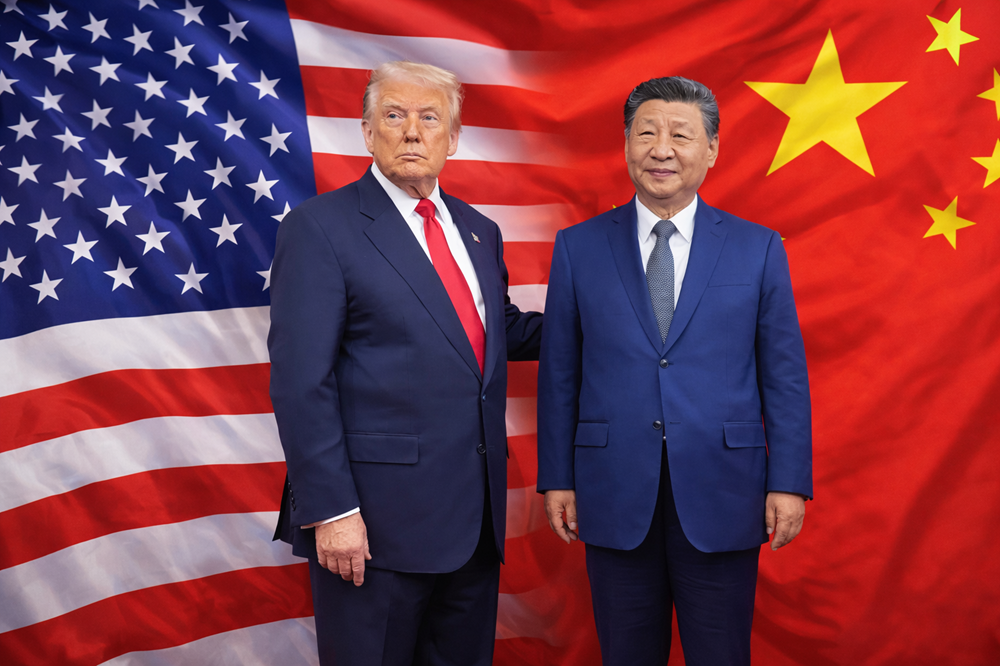
The U.S. Supreme Court has dealt a significant blow to Trump’s trade policy by nullifying his sweeping tariffs. While Beijing gains “moral high ground,” Trump is already pivoting to alternative legal avenues to collect duties. Markets are now entering a period of heightened uncertainty leading up to the high-stakes summit with President Xi Jinping.
The Legal Drama and its Economic Implications
In a dramatic 6-3 ruling last Friday, the Supreme Court determined that President Trump exceeded his authority. The justices ruled that the International Emergency Economic Powers Act (IEEPA) does not grant the President a “blank check” to impose taxes (tariffs) without explicit Congressional approval.
The Immediate Impact:
Revenue Hit: The invalidated tariffs generated record-breaking revenues for the U.S. Treasury in 2025.
Supply Chain Confusion: Importers who had already priced these tariffs into consumer goods now face a pricing and accounting vacuum.
Shift in Status Quo: The tariffs on China, which served as the primary “stick” in negotiations, have lost their original legal footing.
Trump’s Countermove: The Section 122 Outflank
Infuriated by the legal defeat, Trump wasted no time. He announced a temporary 10% global tariff (with intentions to increase it to 15%) under Section 122 of the Trade Act of 1974.
Investor Note: Section 122 is time-limited (up to 150 days) and specifically designed to address balance-of-payments deficits. This suggests that the legal battle between the administration and the courts is just beginning, and market certainty is unlikely to stabilize anytime soon.
Eye on Beijing: The March 31st Summit
The timing is critical. Trump is scheduled to land in Beijing at the end of March for a pivotal meeting.
Chinese Tactics: Analysts expect Xi Jinping to avoid “gloating” over the legal victory, instead leveraging it to secure concessions in the tech sector—specifically regarding advanced AI chips—in exchange for purchasing agricultural goods (soybeans) and Boeing aircraft.
Trade Deficit: In 2025, the U.S. trade deficit with China narrowed to a 21-year low (approximately $202 billion), a landmark achievement Trump is desperate to protect.
The Bottom Line for Investors
Markets detest uncertainty, and the coming weeks will be particularly volatile for companies with high exposure to China, specifically in the Tech, Retail, and Semiconductor sectors. Despite the ruling, Trump has made it clear that tariffs remain his weapon of choice, and he will find the legal loopholes necessary to keep the pressure on Beijing.
Comparison, examination, and analysis between investment houses
Leave your details, and an expert from our team will get back to you as soon as possible
* This article, in whole or in part, does not contain any promise of investment returns, nor does it constitute professional advice to make investments in any particular field.
To read more about the full disclaimer, click here
- sagi habasov
- •
- 7 Min Read
- •
- ago 2 minutes
SKN | Did the Supreme Court Offer Trump a Tariff Exit — and Why Is He Escalating Instead?
The U.S. Supreme Court delivered what many economists viewed as a potential off ramp for President Donald Trump’s aggressive tariff
- ago 2 minutes
- •
- 7 Min Read
The U.S. Supreme Court delivered what many economists viewed as a potential off ramp for President Donald Trump’s aggressive tariff

- Lior mor
- •
- 7 Min Read
- •
- ago 14 hours
SKN | Can Geneva Talks Break the Iran-US Nuclear Deadlock Before Military Deadlines Expire?
The United States and Iran are set to resume nuclear negotiations in Geneva on Feb. 26, with Omani mediators signaling
- ago 14 hours
- •
- 7 Min Read
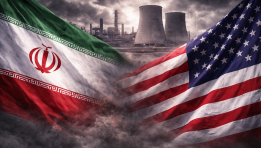
The United States and Iran are set to resume nuclear negotiations in Geneva on Feb. 26, with Omani mediators signaling

- omer bar
- •
- 7 Min Read
- •
- ago 19 hours
SKN | Will Trump’s Warning to Netflix Escalate Corporate-Political Tensions on Wall Street?
Former President Donald Trump’s call for Netflix to remove board member Susan Rice — or “pay the consequences” — adds
- ago 19 hours
- •
- 7 Min Read
Former President Donald Trump’s call for Netflix to remove board member Susan Rice — or “pay the consequences” — adds
- sagi habasov
- •
- 8 Min Read
- •
- ago 5 days
SKN | Trump Administration Backs Prediction Markets: Will Kalshi and Polymarket Override State Gambling Laws?
The Trump administration has stepped into a high-stakes legal battle between federal regulators and state authorities, throwing its support behind
- ago 5 days
- •
- 8 Min Read
The Trump administration has stepped into a high-stakes legal battle between federal regulators and state authorities, throwing its support behind

