


- Arik Arkadi Sluzki
- •
- 5 Min Read
- •
- 9 seconds ago
Key Points
- Target shares have rallied, but consumer sentiment toward the retailer remains weak
- Pricing pressure, competition, and discretionary spending trends weigh on shopper perception
- The divergence highlights a growing gap between equity performance and real-world consumer behavior
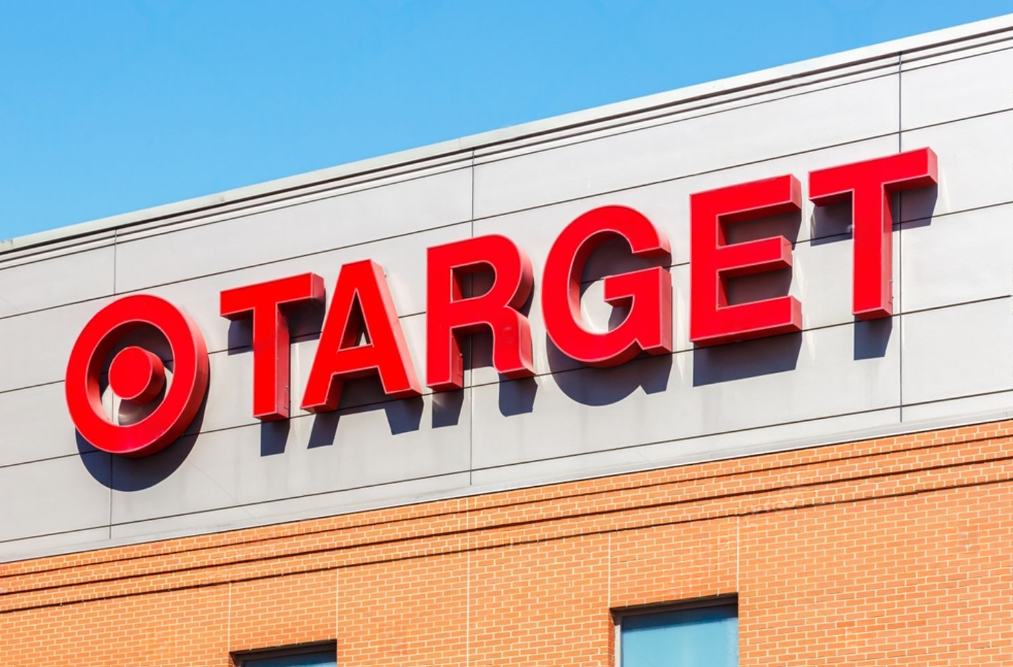
Target’s stock has shown notable strength in recent trading periods, reflecting investor optimism around operational efficiency and margin resilience. However, underlying consumer sentiment tells a different story, with shoppers continuing to express dissatisfaction driven by pricing concerns and shifting retail preferences. The disconnect underscores a broader theme in global retail: financial markets can rally even as end-user sentiment remains fragile.
Stock Performance Driven by Cost Discipline and Margins
Target’s recent share performance has been supported by cost management initiatives, inventory normalization, and efforts to stabilize profitability after a volatile retail cycle. Investors have responded positively to signs of margin improvement, particularly as the company adjusts to post-pandemic demand normalization and tighter control over operating expenses.
In equity markets, such operational discipline often carries significant weight, especially in large-cap retail names where earnings stability can offset slower revenue growth. However, stock performance increasingly reflects expectations of efficiency rather than consumer enthusiasm.
Consumer Sentiment Remains Under Pressure
Despite improvements in financial metrics, shopper sentiment toward Target remains subdued. Inflationary pressure over recent years has shifted consumer behavior toward value-oriented alternatives, while competition from discount retailers and e-commerce platforms continues to intensify.
Discretionary categories remain particularly sensitive, with consumers prioritizing essential goods and promotional pricing. This dynamic has limited the retailer’s ability to fully translate operational gains into stronger perceived brand momentum among shoppers.
Retail Disconnect: Markets vs. Main Street
The divergence between stock performance and consumer sentiment highlights a broader structural pattern in the retail sector. Equity markets tend to anticipate stabilization and margin recovery, while consumers respond more directly to price levels, product availability, and perceived value.
For Israeli institutional investors with exposure to U.S. retail equities or global consumer ETFs, this divergence is an important signal. It suggests that near-term equity strength may not always align with underlying demand conditions, particularly in environments where household budgets remain constrained.
Looking ahead, market participants will focus on whether Target can convert operational improvements into renewed traffic growth and stronger consumer engagement. The key risk remains a prolonged gap between financial performance and shopper sentiment, which could eventually limit valuation upside if revenue trends fail to reaccelerate.
Comparison, examination, and analysis between investment houses
Leave your details, and an expert from our team will get back to you as soon as possible
* This article, in whole or in part, does not contain any promise of investment returns, nor does it constitute professional advice to make investments in any particular field.
To read more about the full disclaimer, click here
- sagi habasov
- •
- 5 Min Read
- •
- ago 37 minutes
SKN | Is Retirement Insecurity Overtaking Mortality Concerns Among Americans?
A growing body of consumer sentiment data suggests a striking shift in financial psychology in the United States: for
- ago 37 minutes
- •
- 5 Min Read

A growing body of consumer sentiment data suggests a striking shift in financial psychology in the United States: for

- orshu
- •
- 5 Min Read
- •
- ago 1 hour
SKN | One Number That Will Define “Magnificent 7” Earnings This Week — It’s Not Just Profits
As the “Magnificent 7” prepare to report earnings, global markets are narrowing their focus to a single decisive factor:
- ago 1 hour
- •
- 5 Min Read

As the “Magnificent 7” prepare to report earnings, global markets are narrowing their focus to a single decisive factor:

- Ronny Mor
- •
- 5 Min Read
- •
- ago 2 hours
SKN | GM Beats Earnings and Lifts Outlook as Court Ruling Eases Tariff Pressure
General Motors delivered stronger-than-expected earnings and raised its profit outlook after a U.S. Supreme Court ruling reduced tariff-related costs.
- ago 2 hours
- •
- 5 Min Read

General Motors delivered stronger-than-expected earnings and raised its profit outlook after a U.S. Supreme Court ruling reduced tariff-related costs.

- omer bar
- •
- 5 Min Read
- •
- ago 2 hours
SKN | $600 Billion AI Spending Surge — When Will Big Tech See the Return?
Global technology giants are accelerating investments in artificial intelligence infrastructure, with total spending expected to approach $600 billion. While
- ago 2 hours
- •
- 5 Min Read

Global technology giants are accelerating investments in artificial intelligence infrastructure, with total spending expected to approach $600 billion. While

