


- omer bar
- •
- 6 Min Read
- •
- 2 hours ago
Key Points
- Both VOO and SPY track the S&P 500 and have delivered identical recent returns.
- VOO offers a lower expense ratio, while SPY provides significantly higher liquidity.
- The better choice depends on trading frequency and long-term cost sensitivity.
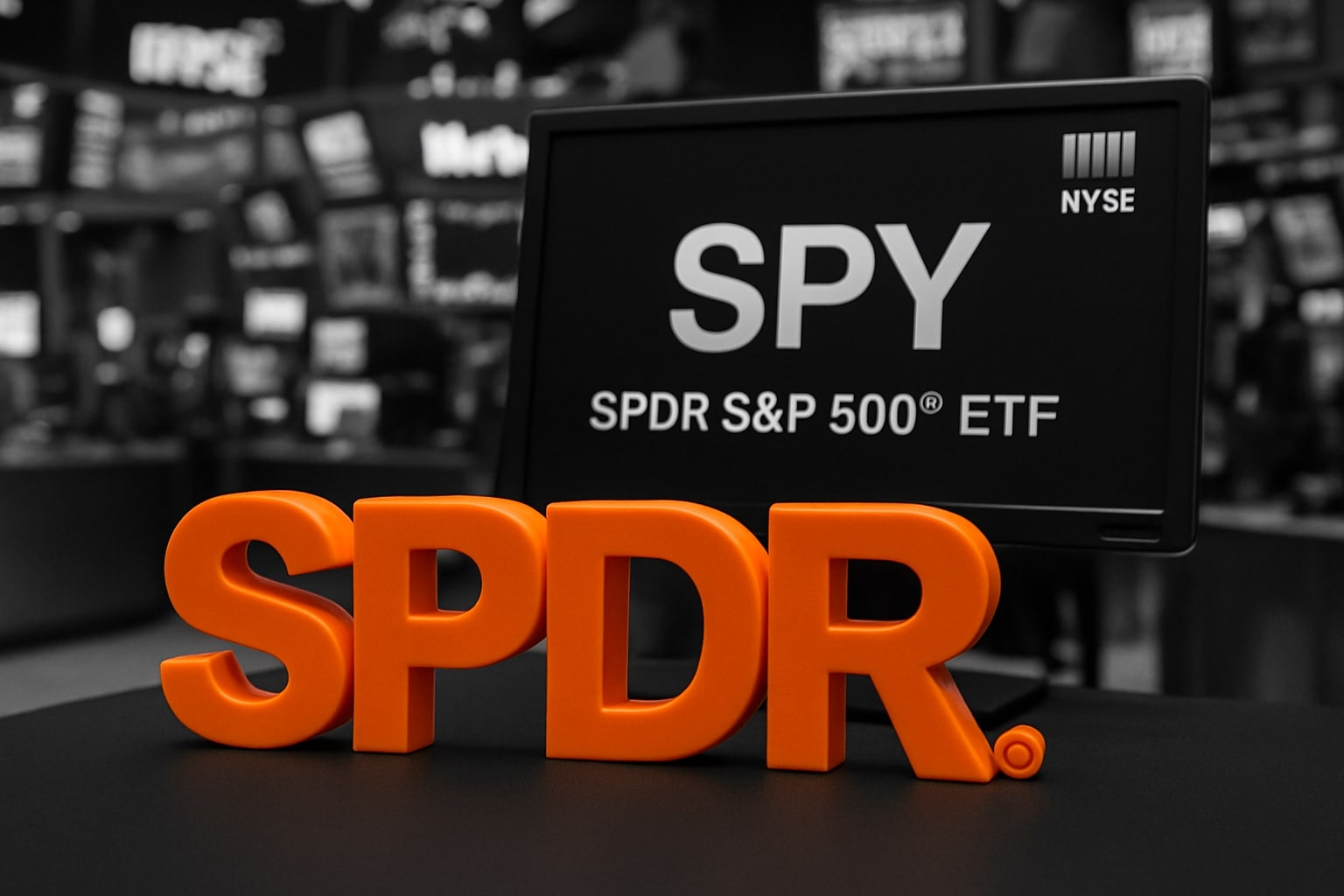
When it comes to broad U.S. equity exposure, few products are as dominant as the Vanguard S&P 500 ETF (VOO) and the SPDR S&P 500 ETF Trust (SPY). Both aim to replicate the performance of the S&P 500 Index, offering diversified access to 500 of the largest U.S. companies. Yet despite near-identical portfolios, subtle structural differences make each ETF better suited to different types of investors.
At the surface level, performance parity is striking. Over the past year, both funds delivered a 17.3% total return, carry a dividend yield of 1.1%, and exhibit a beta of 1.00, reflecting identical market volatility exposure.
Cost Structure and Long-Term Compounding
The most meaningful difference between the two lies in expense ratios. VOO charges 0.03%, while SPY charges 0.09%. Though the gap appears small, over decades of compounding, lower fees can materially enhance net returns for buy-and-hold investors.
For retirement-focused portfolios or long-term passive allocations, minimizing cost drag is critical. In this context, VOO’s lower expense ratio gives it a structural advantage for investors who plan to accumulate and hold shares for many years.
Assets under management further underscore Vanguard’s dominance in passive investing. VOO manages approximately $1.5 trillion, more than double SPY’s roughly $698 billion. However, size alone does not determine trading efficiency.
Liquidity and Trading Efficiency
SPY’s defining advantage is liquidity. With average daily trading volume near 81 million shares compared to roughly 10 million for VOO, SPY remains the preferred vehicle for institutional traders, hedge funds, and active market participants.
High liquidity translates into tighter bid-ask spreads and more efficient execution for large or frequent trades. For short-term traders, tactical allocators, or investors using options strategies, SPY’s trading depth is difficult to match.
VOO, while highly liquid in absolute terms, is better suited to investors with a “set-it-and-forget-it” philosophy rather than high-frequency activity.
Portfolio Composition and Risk Profile
From a holdings perspective, the two ETFs are virtually identical. Both are heavily weighted toward technology, with the largest positions in Nvidia, Apple, and Microsoft. Sector allocations mirror the index, with technology representing roughly one-third of assets, followed by financial services and communication services.
Neither fund employs leverage, sector tilts, or ESG overlays. Five-year maximum drawdowns are nearly identical, at roughly 24.5%, and a $1,000 investment five years ago would have grown to approximately $1,760 in either vehicle.
This structural similarity reinforces the reality that the decision is less about market exposure and more about implementation efficiency.
Which Is Better?
For long-term investors prioritizing cost efficiency and retirement compounding, VOO’s lower expense ratio makes it the superior structural choice. For traders and institutions requiring deep liquidity and execution flexibility, SPY remains unmatched.
Ultimately, both ETFs offer disciplined, diversified exposure to the core of the U.S. economy. The optimal selection depends not on performance expectations but on how the ETF fits within an investor’s broader strategy and time horizon.
Comparison, examination, and analysis between investment houses
Leave your details, and an expert from our team will get back to you as soon as possible
* This article, in whole or in part, does not contain any promise of investment returns, nor does it constitute professional advice to make investments in any particular field.
To read more about the full disclaimer, click here
- orshu
- •
- 7 Min Read
- •
- ago 1 minute
SKN | DUST Surges 17% on March 3: Is the Bearish Gold Miners Trade Regaining Momentum?
The Direxion Daily Gold Miners Index Bear 2X Shares (DUST) delivered a sharp move on March 3, rising 17.60%
- ago 1 minute
- •
- 7 Min Read

The Direxion Daily Gold Miners Index Bear 2X Shares (DUST) delivered a sharp move on March 3, rising 17.60%

- Ronny Mor
- •
- 6 Min Read
- •
- ago 8 hours
SKN | Which ETF offers a better risk-reward ratio in today’s market? A comprehensive comparison between SPY and IWM
When investors compare the SPDR S&P 500 ETF Trust (SPY) with the iShares Russell 2000 ETF (IWM), they are effectively
- ago 8 hours
- •
- 6 Min Read

When investors compare the SPDR S&P 500 ETF Trust (SPY) with the iShares Russell 2000 ETF (IWM), they are effectively

- omer bar
- •
- 5 Min Read
- •
- ago 14 hours
SKN | South Korea’s Equity Landscape Under Scrutiny: What Investors Should Know About EWY
South Korea’s equity market has attracted renewed attention as investors monitor growth in the technology sector, semiconductor exports, and regional
- ago 14 hours
- •
- 5 Min Read

South Korea’s equity market has attracted renewed attention as investors monitor growth in the technology sector, semiconductor exports, and regional
- orshu
- •
- 6 Min Read
- •
- ago 1 day
SKN | DUST Rises Nearly 2% on March 2: Are Gold Miners Facing Renewed Pressure?
The Direxion Daily Gold Miners Index Bear 2X Shares (DUST) advanced 1.97% on March 2 to 3.6099, signaling renewed
- ago 1 day
- •
- 6 Min Read

The Direxion Daily Gold Miners Index Bear 2X Shares (DUST) advanced 1.97% on March 2 to 3.6099, signaling renewed

