


- Arik Arkadi Sluzki
- •
- 7 Min Read
- •
- 46 minutes ago
Key Points
- SpaceX is reportedly considering a dual-class share structure as part of preparations for a potential initial public offering.
- The structure could preserve founder control while opening access to public capital for long-term projects.
- Investor appetite may hinge on governance trade-offs as markets scrutinize voting rights and accountability.
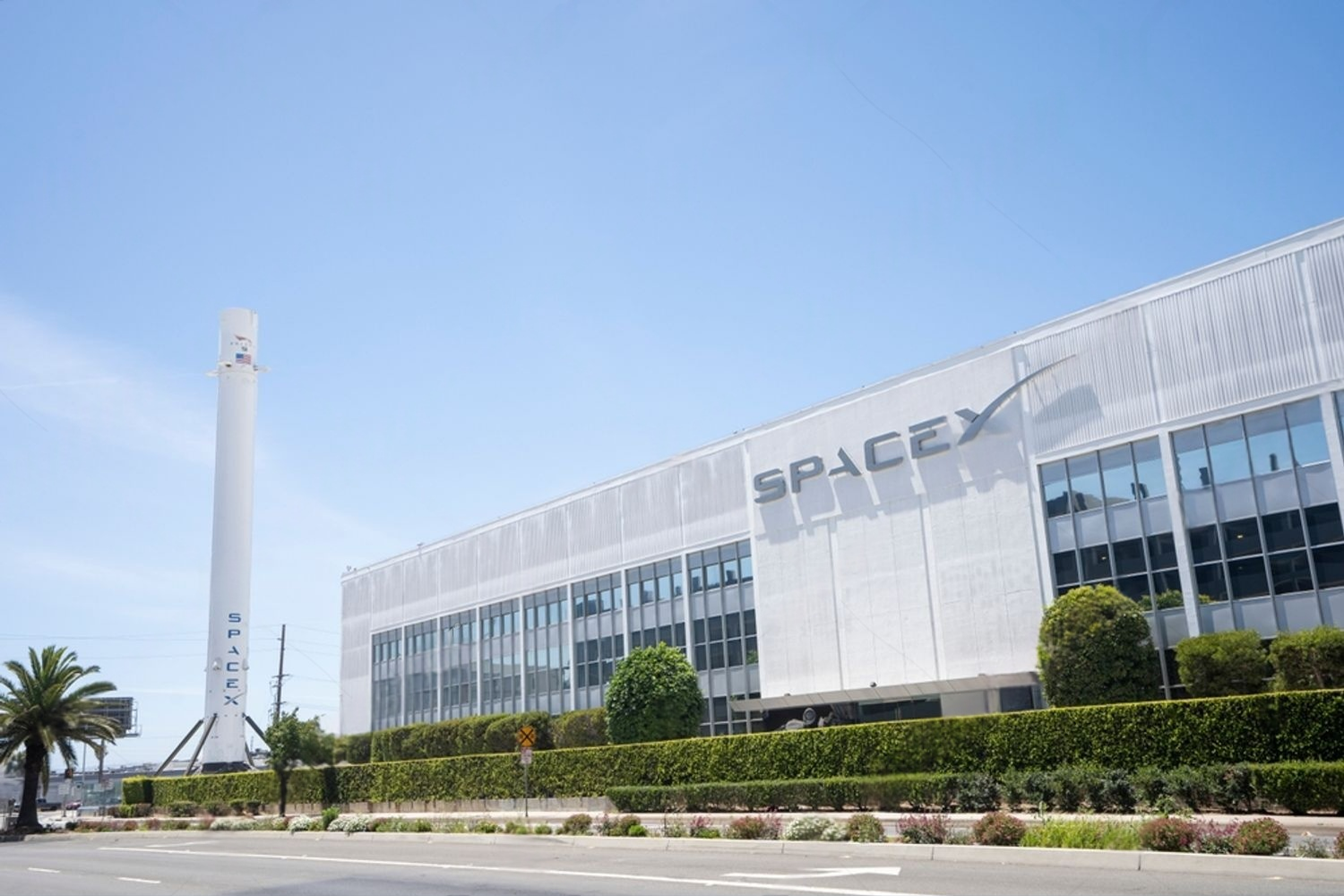
SpaceX is exploring the use of a dual-class share structure in a future initial public offering, according to Bloomberg News, signaling how the company may balance public market access with founder control. The consideration comes amid renewed interest in late-stage technology and aerospace listings, even as investors remain highly selective about governance standards.
Dual-Class Structure and Strategic Control
A dual-class share model typically grants founders or early insiders enhanced voting rights, allowing them to retain strategic control after a company goes public. For SpaceX, whose operations span satellite networks, launch services, and long-horizon space exploration initiatives, maintaining centralized decision-making could be seen as critical to executing capital-intensive and technically complex projects.
Such a structure would align SpaceX with other high-profile technology companies that opted to prioritize long-term vision over short-term shareholder pressure. Proponents argue that insulation from quarterly earnings scrutiny allows management to pursue innovation without compromise. Critics, however, point to reduced accountability and limited influence for public shareholders, especially when voting power is heavily concentrated.
Market Implications and Investor Sentiment
The prospect of a dual-class IPO places SpaceX at the center of an ongoing debate in global capital markets. While U.S. exchanges permit dual-class listings, some institutional investors and index providers have pushed back, citing governance risks. These concerns have become more pronounced as markets favor transparency and predictable capital returns.
That said, SpaceX’s unique market position could mitigate resistance. The company is widely viewed as a leader in reusable rocket technology and low-earth-orbit satellite deployment. Its Starlink business, in particular, has attracted attention for its recurring revenue potential, though comprehensive financial disclosures remain limited as the company is still private.
For global investors, including those in Israel with exposure to aerospace, defense technology, and satellite communications, a SpaceX IPO would represent a rare opportunity to gain access to a strategically important platform. The structure of that access—especially voting rights—will likely shape demand and valuation.
Broader Context: IPO Markets and Governance Trends
The reported consideration comes at a time when IPO markets are cautiously reopening after a prolonged slowdown. Companies contemplating listings are weighing not only valuation timing but also the governance frameworks that will appeal to long-term investors. Dual-class structures, once commonplace among Silicon Valley firms, are now more controversial as stewardship and shareholder alignment gain prominence.
Regulatory scrutiny has also increased globally, with some markets imposing stricter requirements or discouraging unequal voting rights. While SpaceX’s potential IPO would likely be U.S.-based, international investors and regulators will still factor governance standards into risk assessments.
Importantly, Bloomberg’s report does not indicate a finalized decision or timeline, underscoring that discussions remain preliminary. Any eventual filing would provide greater clarity on financial performance, capital needs, and shareholder rights.
Looking ahead, investors will be watching confirmation of IPO plans, details of the share structure, and disclosures around Starlink’s economics to assess risk and reward. Opportunities include exposure to a category-defining aerospace company with long-term growth optionality. Risks center on governance limitations, capital intensity, and the execution challenges inherent in space-based infrastructure. If SpaceX proceeds with a dual-class structure, the market response will likely test how much control investors are willing to cede for access to transformative technology.
Comparison, examination, and analysis between investment houses
Leave your details, and an expert from our team will get back to you as soon as possible
* This article, in whole or in part, does not contain any promise of investment returns, nor does it constitute professional advice to make investments in any particular field.
To read more about the full disclaimer, click here
- omer bar
- •
- 6 Min Read
- •
- ago 58 minutes
SKN | Pinterest Faces Limited Upside as Retail Ad Pullback Pressures Growth Outlook, Wedbush Warns
Pinterest may struggle to generate meaningful upside in the near term as some of the largest retail advertisers reduce
- ago 58 minutes
- •
- 6 Min Read

Pinterest may struggle to generate meaningful upside in the near term as some of the largest retail advertisers reduce

- Lior mor
- •
- 7 Min Read
- •
- ago 4 hours
SKN | Can Anthropic’s Appointment of Ex-Microsoft CFO Chris Liddell Ease Tensions With the Trump Administration?
Anthropic has added veteran executive and political figure Chris Liddell to its board of directors, a move that appears as
- ago 4 hours
- •
- 7 Min Read

Anthropic has added veteran executive and political figure Chris Liddell to its board of directors, a move that appears as

- sagi habasov
- •
- 7 Min Read
- •
- ago 10 hours
SKN | How Trump’s Corporate Tax Break Is Supercharging Big Tech’s AI Spending Boom
President Donald Trump’s latest corporate tax overhaul is already reshaping the financial landscape for America’s largest technology companies. Google, Meta,
- ago 10 hours
- •
- 7 Min Read

President Donald Trump’s latest corporate tax overhaul is already reshaping the financial landscape for America’s largest technology companies. Google, Meta,

- Ronny Mor
- •
- 6 Min Read
- •
- ago 10 hours
SKN | Can Europe Achieve Full Tech Sovereignty? Capgemini CEO Pushes Back on Calls for Total Autonomy
As geopolitical friction reshapes global alliances, calls for full European technological sovereignty are growing louder. Yet Capgemini CEO Aiman Ezzat
- ago 10 hours
- •
- 6 Min Read
As geopolitical friction reshapes global alliances, calls for full European technological sovereignty are growing louder. Yet Capgemini CEO Aiman Ezzat

