





- Arik Arkadi Sluzki
- •
- 5 Min Read
- •
- 2 months ago
Key Points
- Silver demand is expected to be supported by industrial use, particularly in renewable energy and electronics
- Price outlook remains sensitive to interest rates, inflation trends, and global growth cycles
- Supply constraints and mining investment trends could shape long-term price dynamics

Silver is entering the next decade at the intersection of industrial demand and macroeconomic uncertainty, positioning it uniquely among commodities. As both a precious and industrial metal, its price trajectory is likely to be shaped by a combination of technological trends, monetary policy, and global economic conditions.
Industrial Demand: A Structural Tailwind
Unlike gold, silver benefits significantly from industrial applications, particularly in solar panels, semiconductors, and electrification technologies. The global transition toward renewable energy is widely expected to increase silver consumption, as photovoltaic cells remain one of the largest sources of demand. Over the next decade, sustained investment in clean energy infrastructure could provide a structural underpinning for prices.
However, demand growth is not linear. It tends to fluctuate alongside manufacturing cycles, making silver more sensitive to economic slowdowns compared to other precious metals.
Macroeconomic Forces and Monetary Policy
Silver prices remain closely linked to real interest rates, inflation expectations, and U.S. dollar strength. In periods of low or declining real yields, silver often benefits as a store of value and inflation hedge. Conversely, tighter monetary conditions can weigh on prices by increasing the opportunity cost of holding non-yielding assets.
Over a ten-year horizon, central bank policies and global liquidity conditions will play a critical role. Persistent inflation or financial instability could support higher price ranges, while sustained economic stability may limit upside momentum.
Supply Dynamics and Market Balance
On the supply side, silver production is influenced by mining investment cycles, many of which are tied to broader base metal extraction such as copper and zinc. This can create periods of supply inelasticity, where rising demand is not immediately matched by increased output.
Geopolitical factors and environmental regulations may also affect mining activity, potentially tightening supply conditions over time. For investors, this introduces an additional layer of complexity in forecasting long-term price behavior.
For Israeli investors with exposure to commodities, ETFs, or global mining equities, silver represents a hybrid asset—part growth-linked industrial input, part defensive store of value. Looking ahead, the key variables to monitor include renewable energy deployment rates, central bank policy shifts, and mining supply constraints, all of which will determine whether silver delivers sustained long-term appreciation or remains a cyclical, volatile asset.
Comparison, examination, and analysis between investment houses
Leave your details, and an expert from our team will get back to you as soon as possible
* This article, in whole or in part, does not contain any promise of investment returns, nor does it constitute professional advice to make investments in any particular field.
To read more about the full disclaimer, click here
- Ronny Mor
- •
- 9 Min Read
- •
- ago 22 minutes
SKN | Asian Markets Rally on June 25 as South Korea and Japan Lead Broad Regional Gains
Asian equity markets moved broadly higher during Thursday morning’s session on June 25, as investors embraced risk assets across much
- ago 22 minutes
- •
- 9 Min Read

Asian equity markets moved broadly higher during Thursday morning’s session on June 25, as investors embraced risk assets across much

- Arik Arkadi Sluzki
- •
- 7 Min Read
- •
- ago 3 hours
SKN | Fortrea Shares Rise as Investors Weigh Improving Outlook for Clinical Research Services
Fortrea Holdings Inc. (NASDAQ: FTRE) traded higher as investors showed renewed confidence in the clinical research organization (CRO) sector.
- ago 3 hours
- •
- 7 Min Read
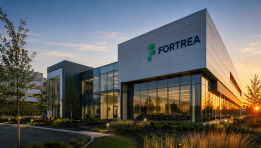
Fortrea Holdings Inc. (NASDAQ: FTRE) traded higher as investors showed renewed confidence in the clinical research organization (CRO) sector.

- Lior mor
- •
- 7 Min Read
- •
- ago 3 hours
SKN | Macy’s Stock Climbs as Investors Respond to Improving Retail Sentiment
Macy’s Inc. (NYSE: M) traded higher as investors returned to select retail stocks amid signs of stabilizing consumer demand
- ago 3 hours
- •
- 7 Min Read
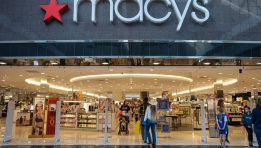
Macy’s Inc. (NYSE: M) traded higher as investors returned to select retail stocks amid signs of stabilizing consumer demand

- omer bar
- •
- 7 Min Read
- •
- ago 3 hours
SKN | Mohawk Industries Shares Jump as Investors Reassess Housing Recovery Prospects
Mohawk Industries (NYSE: MHK) traded sharply higher as investors rotated back into housing-related stocks, reflecting growing confidence that the flooring
- ago 3 hours
- •
- 7 Min Read

Mohawk Industries (NYSE: MHK) traded sharply higher as investors rotated back into housing-related stocks, reflecting growing confidence that the flooring


