





- Ronny Mor
- •
- 7 Min Read
- •
- 6 hours ago
Key Points
- SpaceX's valuation reflects exceptionally high future growth expectations despite continued operating losses and premium valuation multiples.
- Starlink expansion and long-term AI infrastructure contracts provide significant revenue opportunities but require flawless execution.
- Investors will increasingly focus on profitability, cash flow generation, and operational delivery as the company seeks to justify its historic market valuation.
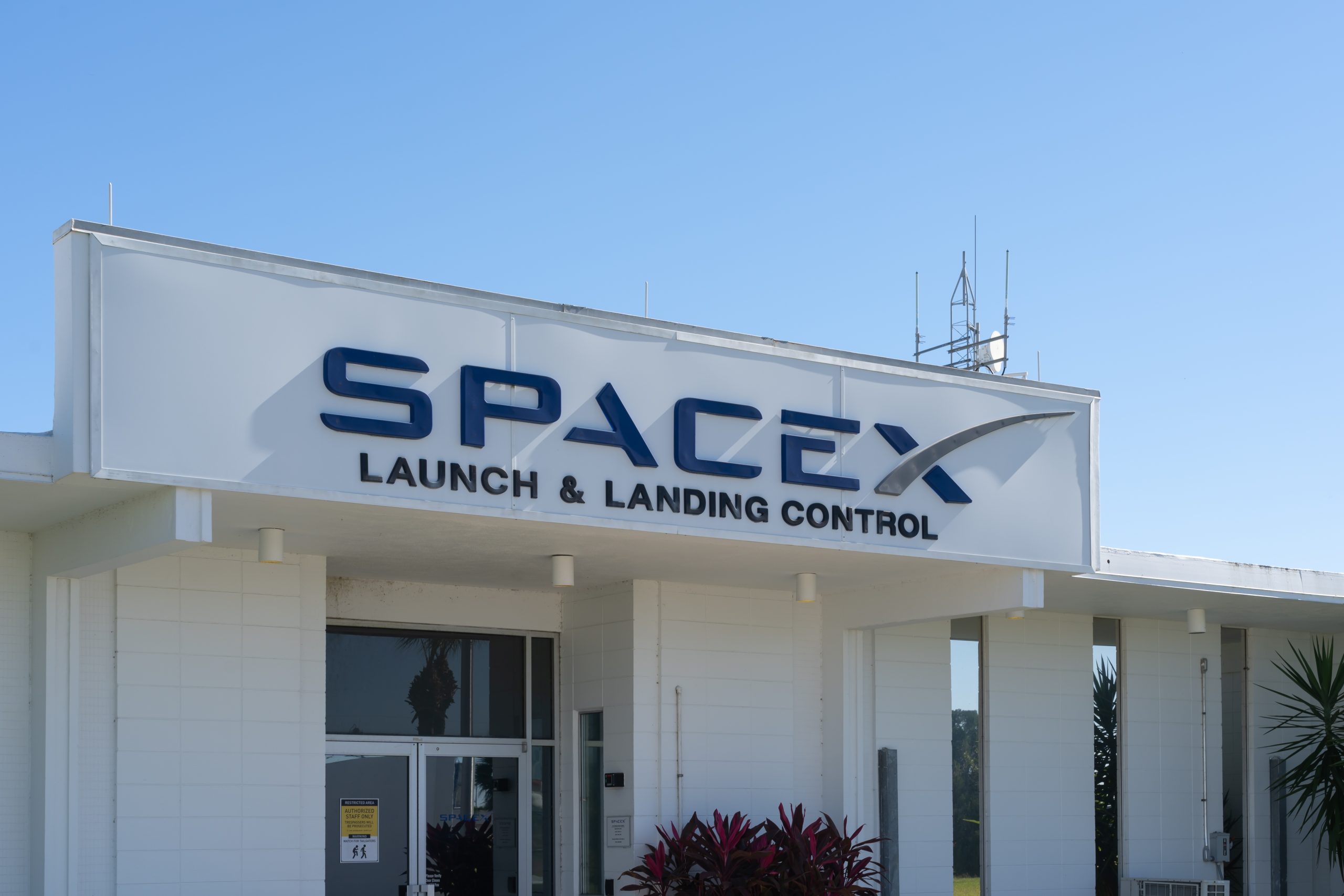
SpaceX has quickly become one of the most closely watched companies in global financial markets after completing the largest initial public offering in history. The company’s public debut fueled enormous investor enthusiasm and elevated its valuation beyond $2 trillion, reinforcing Elon Musk’s position at the center of the artificial intelligence and space technology investment narrative. However, despite the excitement surrounding Starlink, AI infrastructure, and future growth opportunities, investors are increasingly weighing whether the company’s current valuation accurately reflects its underlying financial fundamentals.
Historic Valuation Meets Challenging Financial Reality
SpaceX currently commands a market capitalization exceeding $2 trillion despite generating approximately $4.69 billion in first-quarter revenue. Annualizing that quarterly performance places the company at a price-to-sales multiple well above 100, an exceptionally rich valuation even by high-growth technology standards. While investors frequently reward companies with premium multiples during periods of rapid expansion, maintaining such valuations ultimately depends on delivering sustained revenue acceleration and a clear path toward profitability.
Financial performance remains an important consideration. The company reported a first-quarter net loss of approximately $4.28 billion, highlighting the substantial investment required to expand satellite infrastructure, launch capabilities, artificial intelligence computing facilities, and future technology initiatives. Continued operating losses reinforce the importance of efficient capital allocation as SpaceX seeks to convert ambitious projects into long-term shareholder value.
Starlink and AI Infrastructure Form the Long-Term Growth Engine
Much of SpaceX’s investment thesis centers on Starlink and its expanding artificial intelligence infrastructure business. Management believes annual revenue could eventually reach $100 billion by 2028, supported by rapidly growing broadband services, enterprise connectivity, and large-scale computing contracts. Several high-profile agreements with major technology companies have strengthened investor confidence that demand for AI infrastructure could become a meaningful long-term revenue driver.
Recent multi-year commercial agreements involving cloud computing capacity and artificial intelligence workloads demonstrate growing customer interest in SpaceX’s expanding ecosystem. If successfully executed, these partnerships could provide recurring revenue streams while diversifying the business beyond launch services and satellite communications. However, investors should recognize that long-term contracts often require years of capital investment before translating into sustainable profitability.
Execution Risk Remains the Defining Investment Question
Despite the optimistic outlook, the company’s current valuation assumes exceptionally strong operational execution over the coming years. Reaching $100 billion in annual revenue would require more than a twentyfold increase from current revenue levels within a relatively short timeframe. While Elon Musk has repeatedly demonstrated an ability to build disruptive businesses, investors are also familiar with ambitious timelines that have historically taken longer than initially projected.
Beyond revenue growth, profitability remains equally important. Expanding sales alone will not justify premium valuation multiples if operating expenses continue to outpace revenue generation. Investors will likely monitor margins, free cash flow, and capital expenditures alongside future contract announcements to determine whether the company’s financial profile is evolving toward sustainable earnings growth.
Looking ahead, SpaceX represents one of the market’s most ambitious long-term growth stories, combining satellite communications, launch services, and artificial intelligence infrastructure within a single platform. While these opportunities could reshape multiple industries over the next decade, much of that optimism already appears reflected in today’s share price. Future performance will increasingly depend not on visionary projections alone, but on the company’s ability to consistently translate technological leadership into profitable and scalable financial results.
Comparison, examination, and analysis between investment houses
Leave your details, and an expert from our team will get back to you as soon as possible
* This article, in whole or in part, does not contain any promise of investment returns, nor does it constitute professional advice to make investments in any particular field.
To read more about the full disclaimer, click here
- Ronny Mor
- •
- 7 Min Read
- •
- ago 5 hours
SKN | Why Did Meta Platforms Stock Fall 11% Despite Strong Revenue Growth?
Meta Platforms experienced a difficult June as its shares declined 11%, reflecting growing investor concerns over the company's aggressive artificial
- ago 5 hours
- •
- 7 Min Read

Meta Platforms experienced a difficult June as its shares declined 11%, reflecting growing investor concerns over the company's aggressive artificial

- sagi habasov
- •
- 7 Min Read
- •
- ago 6 hours
SKN | Why Did Netflix Stock Fall 17% in June Despite a Resilient Streaming Business?
Netflix shares retreated sharply in June, falling 17% as investors reassessed the streaming giant's long-term growth outlook. The decline came
- ago 6 hours
- •
- 7 Min Read

Netflix shares retreated sharply in June, falling 17% as investors reassessed the streaming giant's long-term growth outlook. The decline came

- omer bar
- •
- 7 Min Read
- •
- ago 7 hours
SKN | Is Figma’s 29% June Selloff a Buying Opportunity or a Warning About AI Competition?
Figma endured a volatile June, with shares falling 29% as investors broadly rotated out of software companies amid growing concerns
- ago 7 hours
- •
- 7 Min Read

Figma endured a volatile June, with shares falling 29% as investors broadly rotated out of software companies amid growing concerns
- omer bar
- •
- 8 Min Read
- •
- ago 10 hours
SKN | Apple Tests Chinese Memory Chips as Supply Chain Strategy Gains New Importance
Apple is reportedly testing memory chips produced by Chinese semiconductor manufacturer ChangXin Memory Technologies (CXMT) for devices intended for
- ago 10 hours
- •
- 8 Min Read

Apple is reportedly testing memory chips produced by Chinese semiconductor manufacturer ChangXin Memory Technologies (CXMT) for devices intended for


