





- orshu
- •
- 6 Min Read
- •
- 1 hour ago
Key Points
- Samsung Electronics reported an approximately 1,800% year-over-year increase in quarterly operating profit, driven largely by the recovery in memory-chip prices and growing demand for AI-related semiconductors.
- Despite the earnings rebound, investor sentiment remained cautious as markets questioned whether AI infrastructure spending can continue supporting elevated valuations across the semiconductor sector.
- Global technology stocks remain highly sensitive to capital expenditure trends, cloud investment, and future AI demand, creating both opportunities and downside risks.
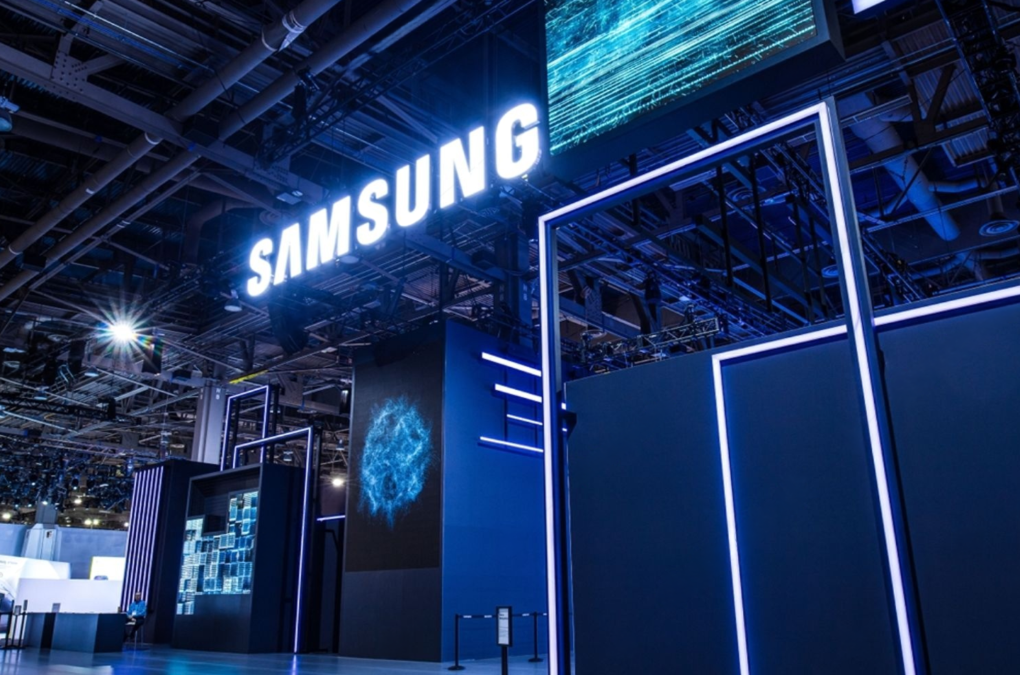
Samsung Electronics delivered one of its strongest earnings recoveries in years, reporting an estimated 1,800% increase in operating profit compared with the same period last year. The sharp improvement reflects the ongoing recovery in the global memory-chip market and accelerating demand for high-bandwidth memory (HBM) used in artificial intelligence servers. Nevertheless, the market reaction remained measured as investors shifted their attention from current earnings toward the sustainability of AI-driven capital spending.
AI Demand Continues to Fuel Semiconductor Recovery
The rebound underscores how dramatically the semiconductor cycle has improved following last year’s inventory correction. Samsung has benefited from stronger pricing in DRAM and NAND memory while expanding shipments of advanced memory products used in AI accelerators and hyperscale data centers. Demand from cloud computing providers and large technology companies continues to support the industry’s recovery.
The earnings acceleration also reflects improving operating leverage as production utilization normalizes and inventory levels return closer to historical averages. Together, these developments have significantly strengthened profitability across the semiconductor value chain after a prolonged downturn.
Markets Question the Durability of AI Investment
Despite the impressive financial performance, investors responded cautiously amid growing debate over whether the current pace of AI infrastructure investment can be maintained. Technology giants have committed hundreds of billions of dollars toward AI data centers, advanced networking equipment, and semiconductor procurement, raising questions about future returns on capital.
Market participants increasingly recognize that exceptionally strong demand today does not eliminate cyclical risks. Should enterprise AI adoption slow, cloud providers moderate capital expenditure, or macroeconomic conditions weaken, semiconductor suppliers could experience greater earnings volatility than current forecasts imply. As a result, valuation sensitivity across AI-related stocks remains elevated despite strong underlying fundamentals.
Implications for Global Technology Investors
Samsung’s results reinforce the growing importance of AI as a structural driver of global semiconductor demand. For institutional investors, the company remains a key indicator of conditions within memory chips, one of the most cyclical yet strategically important segments of the technology industry. Israeli investors with international technology exposure may also view Samsung’s performance as an indicator of broader trends affecting semiconductor equipment manufacturers, cloud infrastructure providers, and AI ecosystem suppliers.
At the same time, geopolitical developments, export restrictions on advanced semiconductor technologies, supply-chain diversification, and currency fluctuations continue to introduce uncertainty into the industry’s long-term outlook. These factors could influence investment decisions alongside traditional earnings metrics.
Outlook: Looking ahead, the outlook for Samsung and the broader semiconductor sector remains constructively positive, supported by continued AI infrastructure deployment and improving memory-market fundamentals. However, investors will closely monitor whether hyperscale cloud providers sustain their elevated capital spending, whether AI monetization progresses as expected, and how global economic conditions evolve. Downside risks—including slower enterprise AI adoption, geopolitical tensions affecting semiconductor trade, tighter financial conditions, and foreign exchange volatility—could temper earnings momentum. While the current recovery appears fundamentally stronger than previous semiconductor cycles, maintaining profitability will likely require continued demand growth rather than expectations alone.
Comparison, examination, and analysis between investment houses
Leave your details, and an expert from our team will get back to you as soon as possible
* This article, in whole or in part, does not contain any promise of investment returns, nor does it constitute professional advice to make investments in any particular field.
To read more about the full disclaimer, click here
- omer bar
- •
- 6 Min Read
- •
- ago 3 seconds
SKN | Can Tesla’s Miami Robotaxi Expansion Revive Investor Confidence?
Tesla has reached another milestone in its autonomous driving strategy by launching its Robotaxi service in Miami, marking the company's
- ago 3 seconds
- •
- 6 Min Read

Tesla has reached another milestone in its autonomous driving strategy by launching its Robotaxi service in Miami, marking the company's

- Lior mor
- •
- 6 Min Read
- •
- ago 35 minutes
SKN | Why Is Synopsys Shifting Away From Chip Manufacturing Software to Focus on AI Design?
Synopsys is reportedly restructuring part of its semiconductor software portfolio by discontinuing selected manufacturing process control products as it redirects
- ago 35 minutes
- •
- 6 Min Read
Synopsys is reportedly restructuring part of its semiconductor software portfolio by discontinuing selected manufacturing process control products as it redirects
- omer bar
- •
- 6 Min Read
- •
- ago 10 hours
SKN | Tesla Stock Surges as Investors Reevaluate EV Growth, AI Strategy, and Future Expansion
Tesla (TSLA) shares moved sharply higher as investors renewed their focus on the company’s growth opportunities across electric vehicles, artificial
- ago 10 hours
- •
- 6 Min Read
Tesla (TSLA) shares moved sharply higher as investors renewed their focus on the company’s growth opportunities across electric vehicles, artificial
- omer bar
- •
- 8 Min Read
- •
- ago 13 hours
SKN | Alphabet Pulls Back From Record Highs: Opportunity or a Valuation Reset?
Alphabet Inc., the parent company of Google, has seen its shares fall more than 10% from recent record highs, placing
- ago 13 hours
- •
- 8 Min Read

Alphabet Inc., the parent company of Google, has seen its shares fall more than 10% from recent record highs, placing


