


- omer bar
- •
- 6 Min Read
- •
- 2 hours ago
Key Points
- Samsung Electronics workers overwhelmingly approved a strike, escalating a dispute over pay and bonuses
- A potential 18-day strike in May could disrupt memory chip production critical to global tech supply chains.
- The conflict highlights rising labor tensions amid booming AI-driven semiconductor demand.
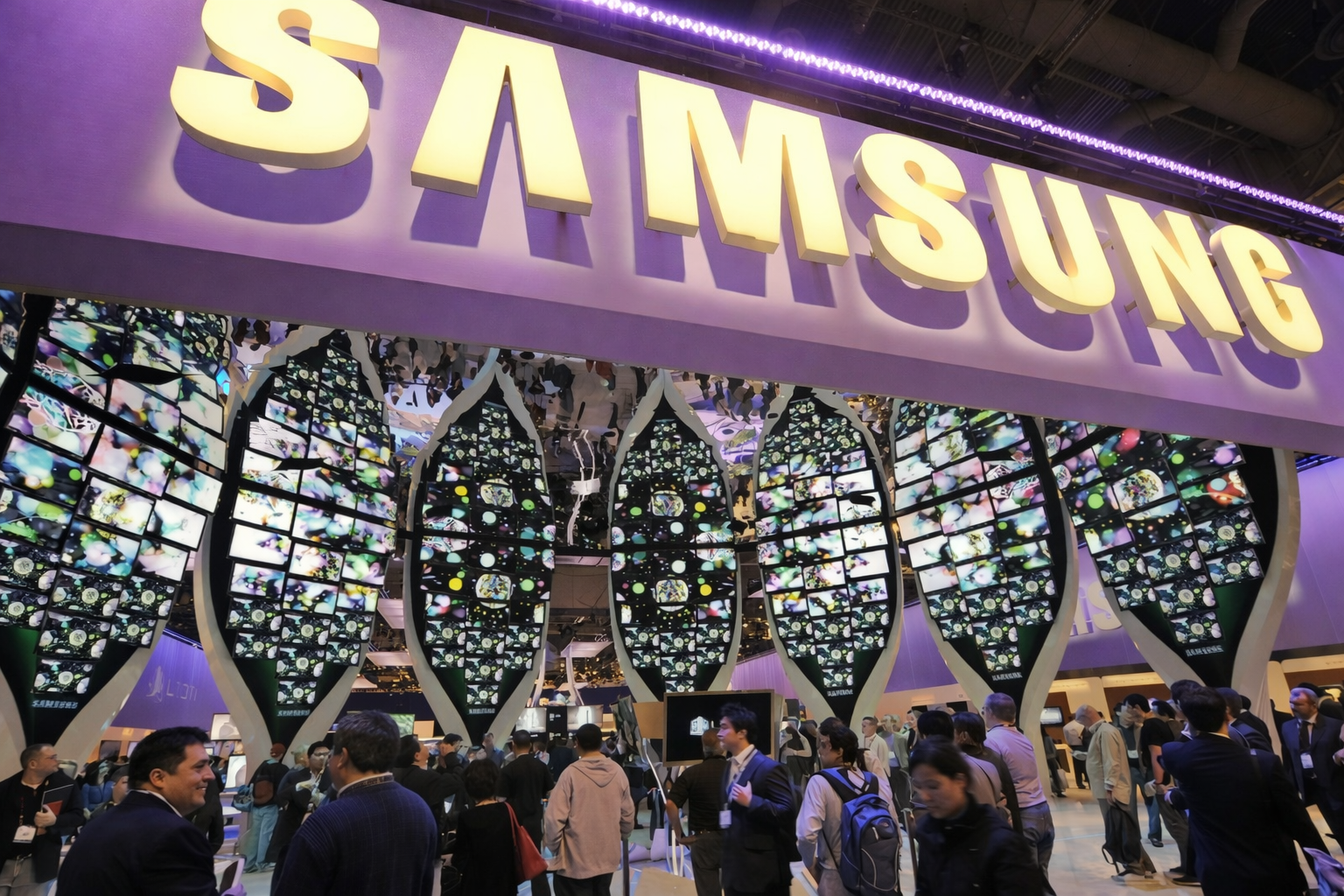
Samsung Electronics is facing mounting labor pressure after unionized workers in South Korea voted decisively in favor of a strike, intensifying concerns over potential disruptions to the global semiconductor supply chain.
The vote marks a significant escalation in wage negotiations that have been ongoing since late last year.
Overwhelming Support Signals Escalation
Approximately 93% of participating union members voted to authorize strike action, reflecting strong dissatisfaction with current compensation structures.
The union, representing tens of thousands of workers, described the result as a clear warning to management to address demands around wages and bonuses.
If negotiations fail, workers plan to stage an 18-day strike beginning May 21, following a rally in April.
Dispute Centers on Bonuses and Pay Structure
At the core of the dispute is the company’s bonus system, which currently caps performance-related pay at 50% of annual salary.
Union leaders are pushing for the removal of this cap and a shift toward a system that links bonuses more directly to operating profit—similar to reforms adopted by rival SK Hynix.
Samsung has resisted these demands, citing concerns that higher compensation costs could limit its ability to invest in future growth and maintain shareholder returns.
Potential Impact on Global Chip Supply
A strike at Samsung could have far-reaching implications for the global semiconductor market.
The company produces 100% of its DRAM chips and roughly two-thirds of its NAND flash memory in South Korea, making its domestic operations critical to worldwide supply.
Any disruption comes at a time when demand for memory chips is surging due to artificial intelligence data center expansion, increasing the risk of supply bottlenecks across industries including smartphones, automotive, and computing.
Labor Tensions Rise in Booming Industry
The dispute also reflects broader tensions within the semiconductor sector, where strong profits driven by AI demand have not fully translated into worker compensation.
Union membership has grown rapidly, partly fueled by comparisons with competitors like SK Hynix, which recently agreed to more favorable compensation terms.
Employees argue that as the company leads the global memory market, compensation should reflect that leadership.
Challenges to Reaching Agreement
Analysts note that resolving the dispute may prove difficult, particularly over the issue of the bonus cap.
Removing the cap could create internal disparities between Samsung’s highly profitable chip division and other segments such as mobile and consumer electronics, which are facing slower growth.
This internal balance complicates negotiations and raises the likelihood of prolonged tension.
Outlook
The coming weeks will be critical as Samsung and its unions attempt to reach an agreement before the planned strike date.
A resolution could stabilize operations and reassure markets, while a prolonged strike could intensify global supply concerns and add further volatility to the semiconductor sector.
With AI demand accelerating, the stakes are high—not just for Samsung, but for the broader technology ecosystem.
Comparison, examination, and analysis between investment houses
Leave your details, and an expert from our team will get back to you as soon as possible
* This article, in whole or in part, does not contain any promise of investment returns, nor does it constitute professional advice to make investments in any particular field.
To read more about the full disclaimer, click here
- Lior mor
- •
- 7 Min Read
- •
- ago 3 hours
SKN | Alibaba Doubles Down on AI Agents to Unlock Monetization Across Its Ecosystem
Alibaba is sharpening its artificial intelligence strategy with a decisive pivot toward AI agents, marking a significant evolution in how
- ago 3 hours
- •
- 7 Min Read

Alibaba is sharpening its artificial intelligence strategy with a decisive pivot toward AI agents, marking a significant evolution in how

- sagi habasov
- •
- 7 Min Read
- •
- ago 4 hours
SKN | Tencent Cloud Showcases AI Coding Revolution as CodeBuddy Boot Camp Empowers Non-Tech Talent
Tencent Cloud highlighted the future of software development during its CodeBuddy AI Coding Boot Camp at City University of Hong
- ago 4 hours
- •
- 7 Min Read
Tencent Cloud highlighted the future of software development during its CodeBuddy AI Coding Boot Camp at City University of Hong

- omer bar
- •
- 6 Min Read
- •
- ago 5 hours
SKN | Nvidia Wins China Approval for H200 Chips, Prepares Groq-Based AI Push
Nvidia has secured a major breakthrough in China after receiving approval from Beijing to resume sales of its H200 artificial
- ago 5 hours
- •
- 6 Min Read
Nvidia has secured a major breakthrough in China after receiving approval from Beijing to resume sales of its H200 artificial
- omer bar
- •
- 5 Min Read
- •
- ago 9 hours
SKN | Nvidia CEO Projects Over $1 Trillion in Sales Through 2027
Nvidia’s Chief Executive Jensen Huang outlined an ambitious growth trajectory for the company, projecting more than $1 trillion in cumulative
- ago 9 hours
- •
- 5 Min Read
Nvidia’s Chief Executive Jensen Huang outlined an ambitious growth trajectory for the company, projecting more than $1 trillion in cumulative

