





- sagi habasov
- •
- 7 Min Read
- •
- 2 hours ago
Key Points
- Spot gold prices climbed 1.4% on Friday morning to approximately $4,182.28 per ounce, pacing toward its first weekly advance since late May.
- The recovery follows a weaker-than-expected U.S. nonfarm payrolls report, which significantly dialed back expectations for an aggressive September rate hike.
- Despite the weekly bounce, the yellow metal continues to trade at a substantial discount of roughly 22% from January's historic peak.
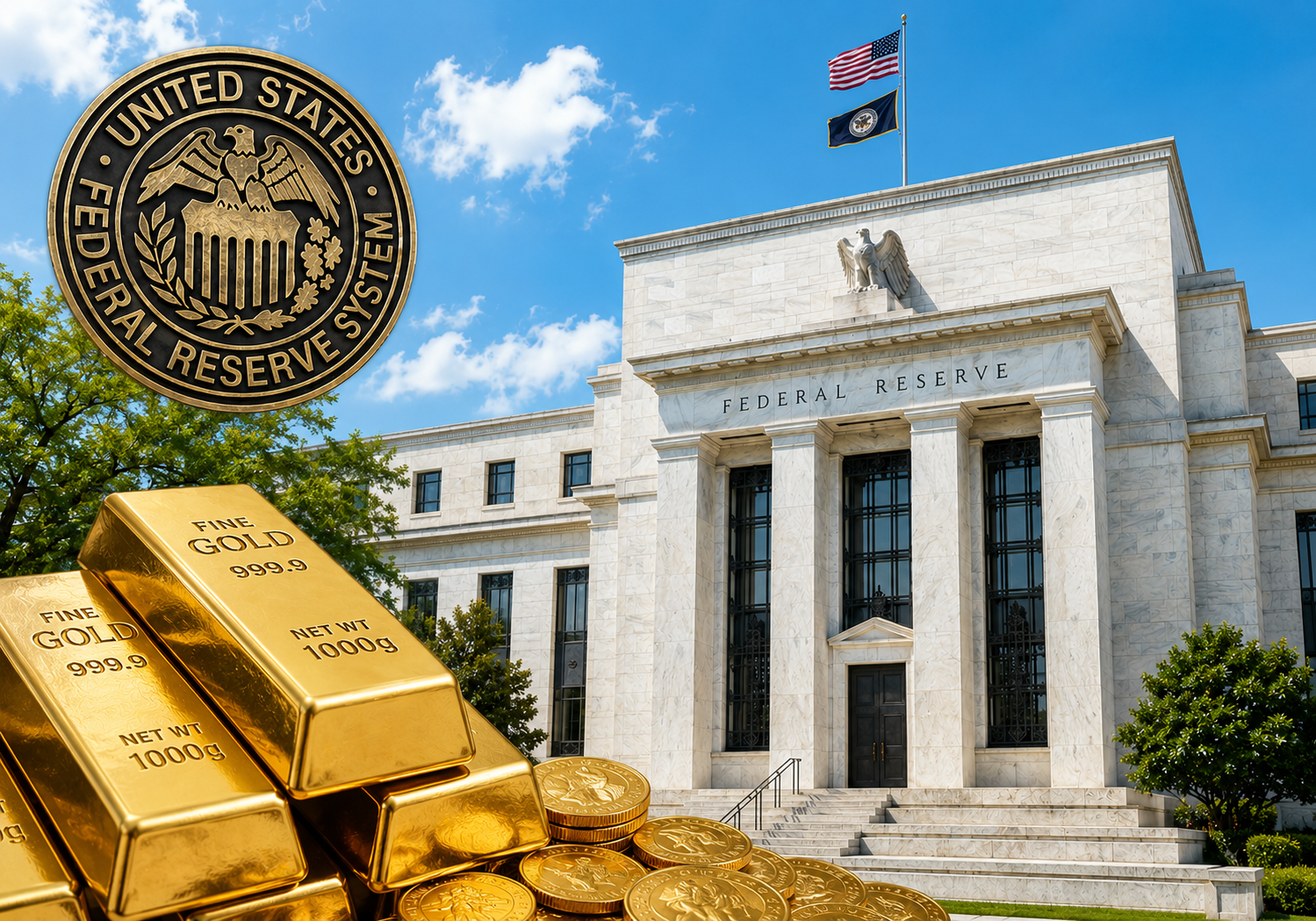
The precious metals market captured a much-needed reprieve at week’s end, snapping a prolonged multi-week losing streak that has defined much of the current year. Following its worst quarterly performance in 13 years at the close of the first half, the traditional safe-haven asset managed to stall a deep downward correction. A sudden, data-driven adjustment to Federal Reserve interest rate expectations provided the necessary catalyst, fueling a broad-based recovery across key hard assets, led by gold and silver.
The Nonfarm Payrolls Catalyst
The primary engine behind Friday’s upward shift was the release of the U.S. nonfarm payrolls report. Official data revealed that the American economy added a meager 57,000 jobs in June—a figure that fell sharply short of the Dow Jones consensus estimate of 115,000, and marked a notable deceleration from the 129,000 expansion recorded in May. The print offers the clearest indication yet of cooling within a structurally tight labor market.
Market reaction across institutional trading desks was swift. According to the CME FedWatch Tool, the implied probability that the Federal Reserve will raise interest rates by at least 25 basis points at its September meeting plunged from 65% prior to the release down to 53.5%, following an anticipated hold in July. This marginal softening of near-term monetary expectations arrested the dollar’s upward momentum and capped real yields, immediately enhancing the relative appeal of non-yielding bullion.
Price Action and Precious Metals Complex Sentiment
In intraday trading, spot gold advanced to $4,182.28 per ounce, putting it on track for a 2.3% weekly gain—its first positive weekly close since the end of May. However, the broader macroeconomic landscape for 2026 remains highly complex. Despite this week’s surge, prices continue to hover nearly 22% below the all-time high of over $5,300 per ounce reached in January, with gold down approximately 3% on a year-to-date basis.
The structural bidding extended across the wider metals complex on Friday morning:
- Spot Silver: Surged 2.9% to $62.77 per ounce, positioning the metal for an impressive weekly gain of roughly 6.7%.
- Spot Platinum: Gained 2.8% to trade at $1,660.10 per ounce.
- Spot Palladium: Climbed approximately 1% to stand at $1,280.09 per ounce.
This intense volatility marks a profound regime shift from the historic secular bull market of 2025, which saw gold and silver post stellar annual gains of 66% and 135%, respectively. The geopolitical fracturing introduced by the U.S.-Iran conflict in February, compounded by a aggressively resilient dollar, had temporarily forced macro allocators to question gold’s efficacy as an absolute safe haven.
Macro Outlook and Technical Headwinds
In a technical note released on Friday, strategists at OCBC upgraded their market stance from “cautious” to “cautiously constructive.” Analysts noted that the softer labor market numbers successfully mitigate the tail risk of an overtly hawkish Fed surprise, allowing gold room to extend its near-term recovery if upcoming data keeps a lid on U.S. real yields and the greenback.
Nevertheless, institutional money managers emphasize that psychological investor biases and lingering long-term inflation threats require strict tactical discipline. For this relief rally to transition into a sustained structural reversal, several macroeconomic variables must align: a deeper, synchronized pullback in real bond yields, a stabilization of institutional inflows into physically-backed ETFs, and a definitive pivot away from hawkish rhetoric by the Federal Reserve’s leadership. Without these supporting pillars, the current move may simply represent a technical correction within a broader, policy-constrained trading range.
Comparison, examination, and analysis between investment houses
Leave your details, and an expert from our team will get back to you as soon as possible
* This article, in whole or in part, does not contain any promise of investment returns, nor does it constitute professional advice to make investments in any particular field.
To read more about the full disclaimer, click here
- Lior mor
- •
- 7 Min Read
- •
- ago 6 days
SKN | Gold Rebounds After Worst Quarterly Performance in 13 Years as Long-Term Demand Outlook Remains Intact
Gold prices edged higher on Wednesday, recovering from earlier losses after the precious metal posted its worst quarterly performance
- ago 6 days
- •
- 7 Min Read

Gold prices edged higher on Wednesday, recovering from earlier losses after the precious metal posted its worst quarterly performance

- Ronny Mor
- •
- 7 Min Read
- •
- ago 7 days
SKN | Oil Extends Decline Below $69 as U.S.-Iran Peace Talks Ease Supply Fears
Oil prices extended their recent decline on Wednesday, falling below $69 per barrel for the first time since late February
- ago 7 days
- •
- 7 Min Read
Oil prices extended their recent decline on Wednesday, falling below $69 per barrel for the first time since late February
- Ronny Mor
- •
- 8 Min Read
- •
- ago 1 week
SKN | Gold Volatility Reshapes Global Trading as Liquidity Pressures Persist, Industry Leaders Say
Gold's rapid price movements and heightened market volatility are reshaping liquidity management across global financial markets, according to senior executives
- ago 1 week
- •
- 8 Min Read
Gold's rapid price movements and heightened market volatility are reshaping liquidity management across global financial markets, according to senior executives

- omer bar
- •
- 7 Min Read
- •
- ago 1 week
SKN | Oil Posts Steepest Quarterly Decline Since 2020 as Strait of Hormuz Flows Recover
Oil prices ended the second quarter sharply lower, recording their largest quarterly declines since the early stages of the COVID-19
- ago 1 week
- •
- 7 Min Read
Oil prices ended the second quarter sharply lower, recording their largest quarterly declines since the early stages of the COVID-19


