





- sagi habasov
- •
- 7 Min Read
- •
- 2 hours ago
Key Points
- Oracle's aggressive AI infrastructure expansion is increasing pressure on its balance sheet, bringing the company close to a non-investment-grade credit rating.
- Heavy borrowing and long-term lease commitments distinguish Oracle from many of its large software peers financing the AI race.
- Investors are increasingly evaluating whether AI-driven revenue growth can justify rising leverage and capital commitments.
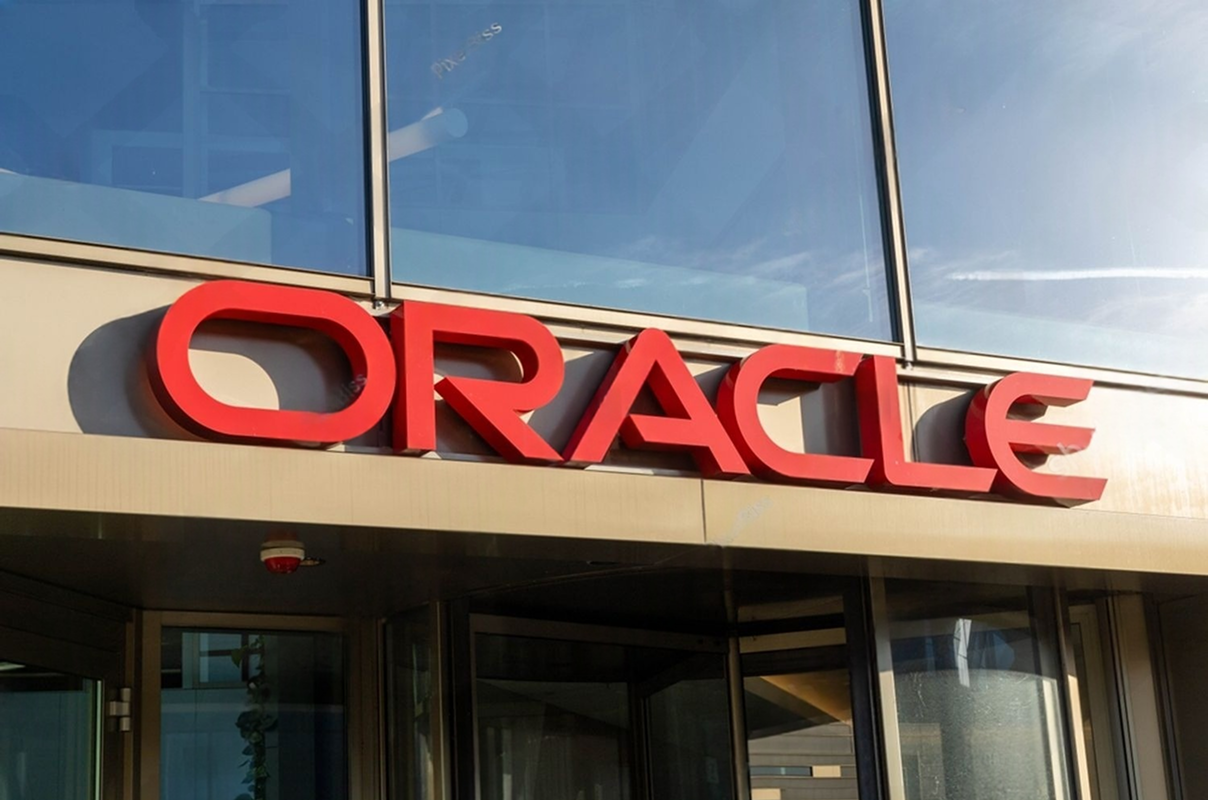
Oracle Corporation has become one of the most closely watched companies in the artificial intelligence infrastructure race, but its aggressive investment strategy is also exposing growing financial risks. As the company accelerates spending on cloud capacity, data centers, and AI computing resources, investors are paying closer attention to its rising debt levels and the possibility that its credit rating could fall below investment grade.
The situation highlights a broader shift across the technology industry, where hyperscale cloud providers are investing hundreds of billions of dollars to meet surging demand for AI services. While many companies have substantial cash reserves to support these investments, Oracle has relied more heavily on borrowing, placing greater scrutiny on its long-term financial flexibility.
AI Ambitions Drive Higher Leverage
Oracle has positioned itself as a major competitor in the rapidly expanding cloud infrastructure market, investing aggressively in data centers, graphics processors, and long-term computing capacity. These investments are intended to capture growing enterprise demand for generative AI workloads and cloud-based applications.
Unlike several of its larger technology peers, Oracle has financed a significant portion of this expansion through new debt issuance and long-term lease obligations. According to Reuters, the company’s financial profile has brought it close to a speculative-grade, or “junk,” credit rating, reflecting concerns that leverage is increasing faster than cash generation.
Although management continues to emphasize long-term growth opportunities in artificial intelligence, investors are increasingly assessing whether future revenue expansion will be sufficient to offset the financial risks associated with higher borrowing costs.
Credit Markets Become a New Focus for Investors
The attention surrounding Oracle extends beyond equity markets into the fixed-income market, where credit ratings directly influence borrowing costs. A downgrade below investment grade could increase financing expenses, reduce financial flexibility, and make future capital raising more expensive.
Credit investors have become increasingly selective as technology companies continue issuing debt to finance AI infrastructure. Rising interest rates have also made leverage a more important consideration than during previous periods of low borrowing costs, placing additional emphasis on balance sheet strength.
Oracle’s situation illustrates how the AI investment cycle is reshaping financial analysis. Investors are now evaluating not only revenue growth and market share, but also capital allocation, debt sustainability, and the pace at which companies convert infrastructure spending into recurring cash flow.
The AI Race Brings Both Opportunity and Financial Risk
Oracle remains one of the key beneficiaries of growing enterprise demand for artificial intelligence infrastructure. Expanding partnerships with cloud customers and AI developers could strengthen its competitive position if utilization rates continue rising and long-term contracts generate stable recurring revenue.
However, the company’s financing strategy also demonstrates that the AI boom carries meaningful execution risks. Large capital expenditures require sustained demand, disciplined cost management, and consistent operating performance to justify elevated leverage levels.
For global investors, including those in Israel, Oracle’s experience underscores an important distinction emerging across the technology sector. While artificial intelligence continues to create significant commercial opportunities, the companies best positioned for long-term success may increasingly be those capable of balancing innovation with financial discipline.
Looking ahead, investors will closely monitor Oracle’s debt profile, credit rating outlook, free cash flow generation, and continued growth in cloud services. Future earnings reports will be evaluated not only for revenue expansion but also for evidence that AI-related investments are producing sufficient returns to strengthen the company’s financial position while supporting long-term competitiveness in the global cloud computing market.
Comparison, examination, and analysis between investment houses
Leave your details, and an expert from our team will get back to you as soon as possible
* This article, in whole or in part, does not contain any promise of investment returns, nor does it constitute professional advice to make investments in any particular field.
To read more about the full disclaimer, click here
- sagi habasov
- •
- 8 Min Read
- •
- ago 9 minutes
SKN | ASML Raises Interim Dividend 17% While Reaffirming Strong 2026 Growth Outlook
ASML Boosts Shareholder Returns With Higher Interim Dividend ASML Holding has strengthened its commitment to shareholder returns by increasing its
- ago 9 minutes
- •
- 8 Min Read

ASML Boosts Shareholder Returns With Higher Interim Dividend ASML Holding has strengthened its commitment to shareholder returns by increasing its

- omer bar
- •
- 7 Min Read
- •
- ago 37 minutes
SKN | SpaceX Nearly Doubles Revenue in First Public Earnings Report as Starlink and AI Drive Growth
SpaceX delivered a strong operational debut as a public company, reporting that second-quarter revenue nearly doubled while operating losses
- ago 37 minutes
- •
- 7 Min Read

SpaceX delivered a strong operational debut as a public company, reporting that second-quarter revenue nearly doubled while operating losses

- Ronny Mor
- •
- 7 Min Read
- •
- ago 37 minutes
SKN | Lucid Delays Affordable EV Launch as Cost-Cutting Strategy Takes Center Stage
Lucid Group is delaying the launch of its long-awaited affordable electric vehicle lineup until the second half of 2027,
- ago 37 minutes
- •
- 7 Min Read

Lucid Group is delaying the launch of its long-awaited affordable electric vehicle lineup until the second half of 2027,
- sagi habasov
- •
- 7 Min Read
- •
- ago 39 minutes
SKN | BYD Accelerates Brazil Expansion With First Locally Built Plug-In Hybrid Flex-Fuel Vehicle
BYD has introduced its first Brazilian-manufactured plug-in hybrid flex-fuel vehicle, marking another milestone in the Chinese automaker's international expansion
- ago 39 minutes
- •
- 7 Min Read

BYD has introduced its first Brazilian-manufactured plug-in hybrid flex-fuel vehicle, marking another milestone in the Chinese automaker's international expansion


