


- omer bar
- •
- 7 Min Read
- •
- 12 minutes ago
Key Points
- Oil prices rebound as investors assess whether escalating tensions involving Iran could disrupt global crude supply routes.
- Energy markets remain sensitive to risks around the Strait of Hormuz, a critical chokepoint for global oil shipments.
- Analysts warn that prolonged geopolitical instability could tighten supply balances and increase volatility in energy markets.
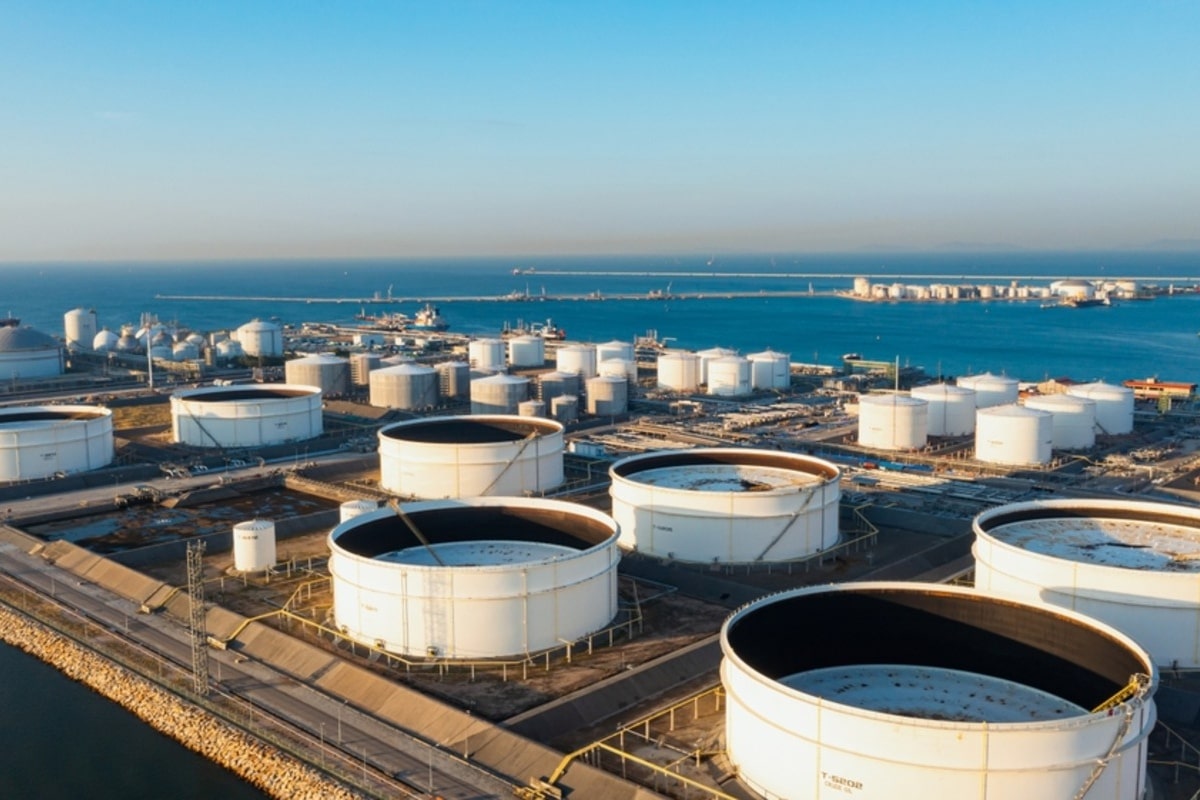
Oil prices moved higher in recent trading sessions as investors evaluated the potential impact of escalating military tensions involving Iran on global crude supply. The rebound reflects renewed concern that conflict in a key energy-producing region could disrupt shipments from the Middle East, which accounts for a significant share of global oil exports.
The shift in sentiment comes after weeks of fluctuating prices driven by macroeconomic uncertainty and demand expectations. However, geopolitical risk has once again become a central factor shaping energy market dynamics.
Geopolitical Tensions Reignite Supply Concerns
Iran occupies a strategic position in global energy markets, both as a major oil producer and as a gatekeeper to the Strait of Hormuz. The narrow waterway handles roughly 20 percent of the world’s seaborne crude shipments, making it one of the most important oil transit routes globally.
Any escalation involving Iran has the potential to affect the security of shipping routes used by producers across the Persian Gulf, including Saudi Arabia, Iraq, Kuwait, and the United Arab Emirates. Even the perception of disruption can trigger rapid price adjustments as traders factor geopolitical risk into futures contracts.
Recent price movements suggest that markets are beginning to reintroduce a geopolitical risk premium into crude benchmarks such as Brent and West Texas Intermediate. Analysts note that while no major supply interruptions have been confirmed, the possibility alone is sufficient to support prices in the short term.
Energy Markets Balance Supply Risks and Demand Outlook
Despite the recent rebound, oil markets remain influenced by a complex set of competing factors. On one hand, geopolitical risks in the Middle East could tighten supply conditions. On the other hand, concerns about global economic growth and demand prospects continue to cap the upside.
Demand expectations remain closely tied to economic activity in major energy consumers such as China, the United States, and Europe. Slower manufacturing output or weaker transportation demand could offset supply-related price pressures.
At the same time, global inventories and production decisions by OPEC and its allies continue to shape the overall balance in the oil market. Production discipline among major exporters has supported prices in recent months, but any unexpected disruption could quickly shift the supply-demand equation.
Strategic and Regional Implications for Energy Markets
For investors and policymakers, the current situation highlights the continuing vulnerability of global energy supply chains to geopolitical shocks. Israel and other regional economies closely monitor developments involving Iran due to both security and economic implications.
Higher oil prices can influence inflation trends, transportation costs, and energy policy decisions worldwide. Central banks may also take energy price volatility into account when evaluating inflation risks and interest rate strategies.
Energy companies and commodity traders are therefore paying close attention not only to military developments but also to diplomatic signals that could either escalate or ease tensions.
Outlook: Markets Watch Supply Routes and Diplomatic Signals
Looking ahead, the trajectory of oil prices will likely depend on whether geopolitical tensions escalate into direct disruptions of supply infrastructure or shipping routes. Markets will closely monitor developments around the Strait of Hormuz, as well as production levels from major exporters across the Middle East.
At the same time, broader macroeconomic conditions will continue to shape demand expectations for crude oil. Any shifts in global growth forecasts, industrial activity, or transportation demand could influence the direction of energy markets in the coming months.
For now, oil’s rebound underscores how quickly geopolitical developments can reshape commodity market sentiment, reinforcing the importance of monitoring both political risk and underlying supply-demand fundamentals.
Comparison, examination, and analysis between investment houses
Leave your details, and an expert from our team will get back to you as soon as possible
* This article, in whole or in part, does not contain any promise of investment returns, nor does it constitute professional advice to make investments in any particular field.
To read more about the full disclaimer, click here
- Ronny Mor
- •
- 6 Min Read
- •
- ago 7 seconds
SKN | Gold Holds Steady as Dollar Eases and Markets Weigh Oil Supply Concerns
Gold maintained a steady performance in recent trading sessions as a modest easing of the US dollar provided support for
- ago 7 seconds
- •
- 6 Min Read

Gold maintained a steady performance in recent trading sessions as a modest easing of the US dollar provided support for

- orshu
- •
- 7 Min Read
- •
- ago 5 hours
SKN | Hycroft Mining Reports High-Grade Silver Results at Brimstone: What Could It Mean for the Future of the Nevada Asset?
Hycroft Mining Holding Corporation has reported encouraging high-grade silver results from its ongoing Brimstone exploration drilling program, adding momentum
- ago 5 hours
- •
- 7 Min Read

Hycroft Mining Holding Corporation has reported encouraging high-grade silver results from its ongoing Brimstone exploration drilling program, adding momentum

- Lior mor
- •
- 6 Min Read
- •
- ago 8 hours
SKN | Soybean Prices Slide as Possible Delay in US-China Summit Raises Demand Concerns
Soybean prices dropped sharply in global commodity markets on Monday as uncertainty surrounding potential delays in U.S.–China trade talks weighed
- ago 8 hours
- •
- 6 Min Read

Soybean prices dropped sharply in global commodity markets on Monday as uncertainty surrounding potential delays in U.S.–China trade talks weighed

- omer bar
- •
- 8 Min Read
- •
- ago 10 hours
SKN | Oil Holds Above $100 as Iran Conflict Triggers Global Energy Shock
Global oil prices remained above the $100-per-barrel threshold on Monday as escalating tensions in the Middle East continued to disrupt
- ago 10 hours
- •
- 8 Min Read

Global oil prices remained above the $100-per-barrel threshold on Monday as escalating tensions in the Middle East continued to disrupt

