


- Ronny Mor
- •
- 6 Min Read
- •
- 5 hours ago
Key Points
- Crude oil benchmarks jump above $80 per barrel following heightened geopolitical tensions between the U.S. and Iran.
- The Strait of Hormuz, a critical oil transit chokepoint, faces disruptions raising concerns about supply security.
- Global markets react cautiously as energy costs rise and investors monitor the potential for further escalation.
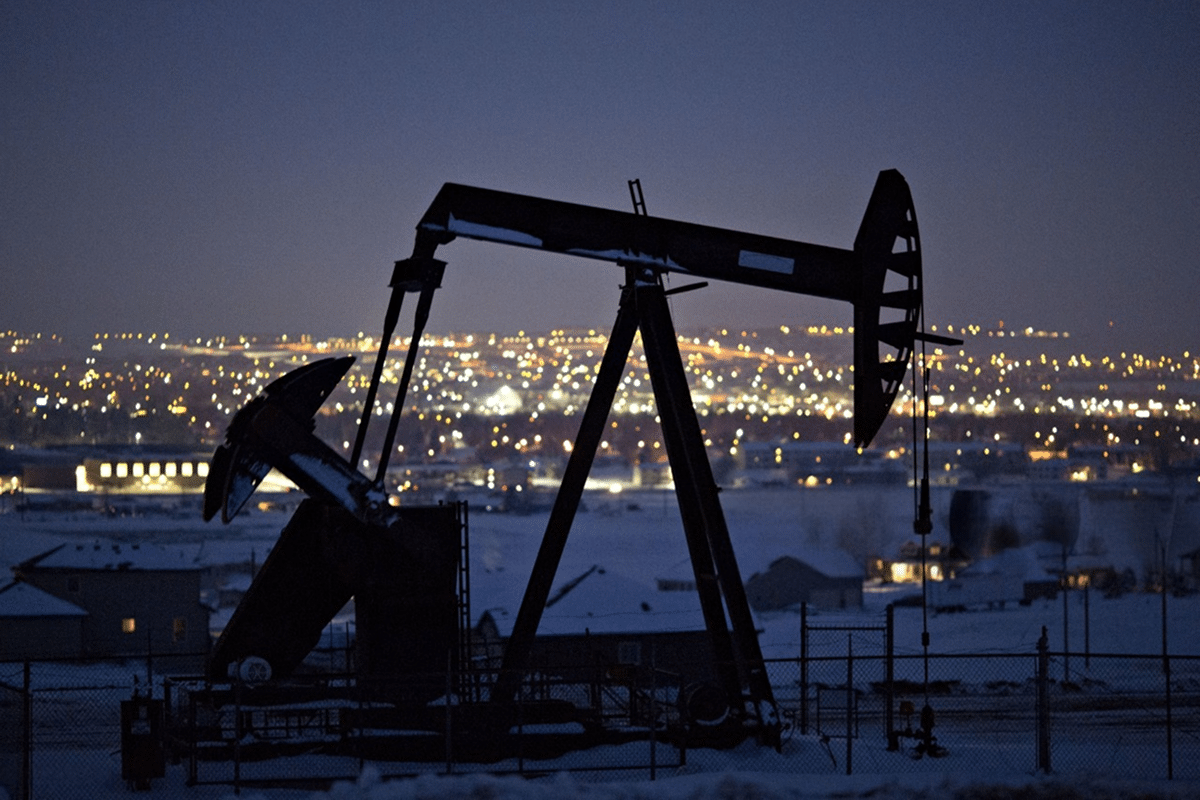
Oil prices surged past $80 per barrel on Monday, reflecting heightened geopolitical tensions between the United States and Iran in the Middle East. Concerns over supply disruptions in the Strait of Hormuz, through which nearly a fifth of global oil passes, have driven both Brent and WTI benchmarks higher, signaling increased volatility for energy markets worldwide.
Geopolitical Pressures Driving Energy Costs
The U.S.-Iran conflict has intensified after recent military and diplomatic incidents, prompting fears of wider instability in the Persian Gulf region. Traders are pricing in potential constraints on crude flows, particularly from key producers in the Gulf Cooperation Council (GCC). Brent crude climbed by approximately 3% in early trading to breach $81 per barrel, while West Texas Intermediate rose above $80, levels last seen several months ago. Analysts note that even temporary disruptions in the Strait of Hormuz can have an outsized impact on global oil pricing due to the concentration of exports through this narrow waterway.
Market participants are closely watching shipping and tanker movements, as well as statements from U.S. and Iranian officials. The risk premium embedded in crude prices reflects both the immediate threat of conflict escalation and uncertainty over the duration of any disruption.
Macro and Market Implications
Rising oil prices are likely to influence global inflation expectations, energy costs, and central bank policy considerations. Higher crude prices can pressure consumer energy bills and industrial input costs, potentially affecting corporate margins and economic growth in energy-importing countries. In Israel, where refined fuel prices are sensitive to global crude benchmarks, businesses and consumers could experience accelerated cost pressures in the coming weeks.
Equity markets have reacted cautiously, with energy sector shares benefiting from higher prices while other sectors sensitive to input costs, such as transportation and manufacturing, experience downward pressure. Commodity-linked currencies, including the Australian dollar and Norwegian krone, have also seen modest gains as traders adjust positions based on energy price movements.
Supply Security and Strategic Considerations
The Strait of Hormuz remains a focal point for global energy security. Any extended disruption could force oil-importing nations to seek alternative supply routes or tap strategic petroleum reserves. OPEC and allied producers may respond to market tightness with incremental output adjustments, although coordination and timing remain uncertain. For investors, the evolving geopolitical risk premium adds complexity to energy market forecasts and portfolio positioning, highlighting the interdependence of global energy supply, macroeconomic stability, and geopolitical developments.
Outlook: Monitoring Risk and Market Reaction
Looking ahead, market participants will closely track developments in U.S.-Iran relations, shipping activity in the Gulf, and any official statements from major oil producers. Key indicators to watch include tanker traffic, refinery operations, and inventory reports from the U.S. Energy Information Administration. While the immediate spike above $80 reflects short-term risk premiums, sustained tension or escalation could push prices higher, influencing inflation expectations, currency markets, and global equity sentiment. Investors and policymakers will need to monitor both geopolitical signals and fundamental supply-demand trends as energy markets navigate heightened uncertainty.
Comparison, examination, and analysis between investment houses
Leave your details, and an expert from our team will get back to you as soon as possible
* This article, in whole or in part, does not contain any promise of investment returns, nor does it constitute professional advice to make investments in any particular field.
To read more about the full disclaimer, click here
- sagi habasov
- •
- 6 Min Read
- •
- ago 3 minutes
SKN | Gold Extends Rally as Middle East Conflict Spurs Safe-Haven Flows – How Sustainable Is the Move?
Gold prices have strengthened in recent sessions as escalating conflict in the Middle East drives investors toward traditional safe-haven assets.
- ago 3 minutes
- •
- 6 Min Read

Gold prices have strengthened in recent sessions as escalating conflict in the Middle East drives investors toward traditional safe-haven assets.

- Arik Arkadi Sluzki
- •
- 7 Min Read
- •
- ago 9 hours
SKN | Mining Stocks Surge as Geopolitical Tensions and AI Demand Redefine Commodity Leadership
Mining stocks have emerged as unexpected leaders in global equity markets, buoyed by a combination of geopolitical instability and
- ago 9 hours
- •
- 7 Min Read

Mining stocks have emerged as unexpected leaders in global equity markets, buoyed by a combination of geopolitical instability and

- Lior mor
- •
- 7 Min Read
- •
- ago 9 hours
SKN | Oil at a Crossroads: What’s at Stake for Energy Markets After U.S. Strikes on Iran?
Oil markets are once again confronting geopolitical uncertainty following U.S. military strikes on Iran, a development that has intensified
- ago 9 hours
- •
- 7 Min Read

Oil markets are once again confronting geopolitical uncertainty following U.S. military strikes on Iran, a development that has intensified

- orshu
- •
- 6 Min Read
- •
- ago 3 days
SKN | Sirios Expands Quebec Footprint with OVI Mining Acquisition: Strategic Gold Consolidation or Early-Stage Risk?
Sirios Resources has finalized its acquisition of OVI Mining Corp, consolidating additional gold exploration assets in Quebec at a
- ago 3 days
- •
- 6 Min Read
Sirios Resources has finalized its acquisition of OVI Mining Corp, consolidating additional gold exploration assets in Quebec at a

