


- orshu
- •
- 6 Min Read
- •
- 20 minutes ago
Key Points
- Oil prices climbed as geopolitical risk intensified amid concerns over a potential escalation between Iran and the United States.
- Energy markets repriced supply risk, adding a geopolitical premium to already tight global balances.
- Equities, currencies, and inflation expectations reacted unevenly, reflecting selective risk-off positioning.
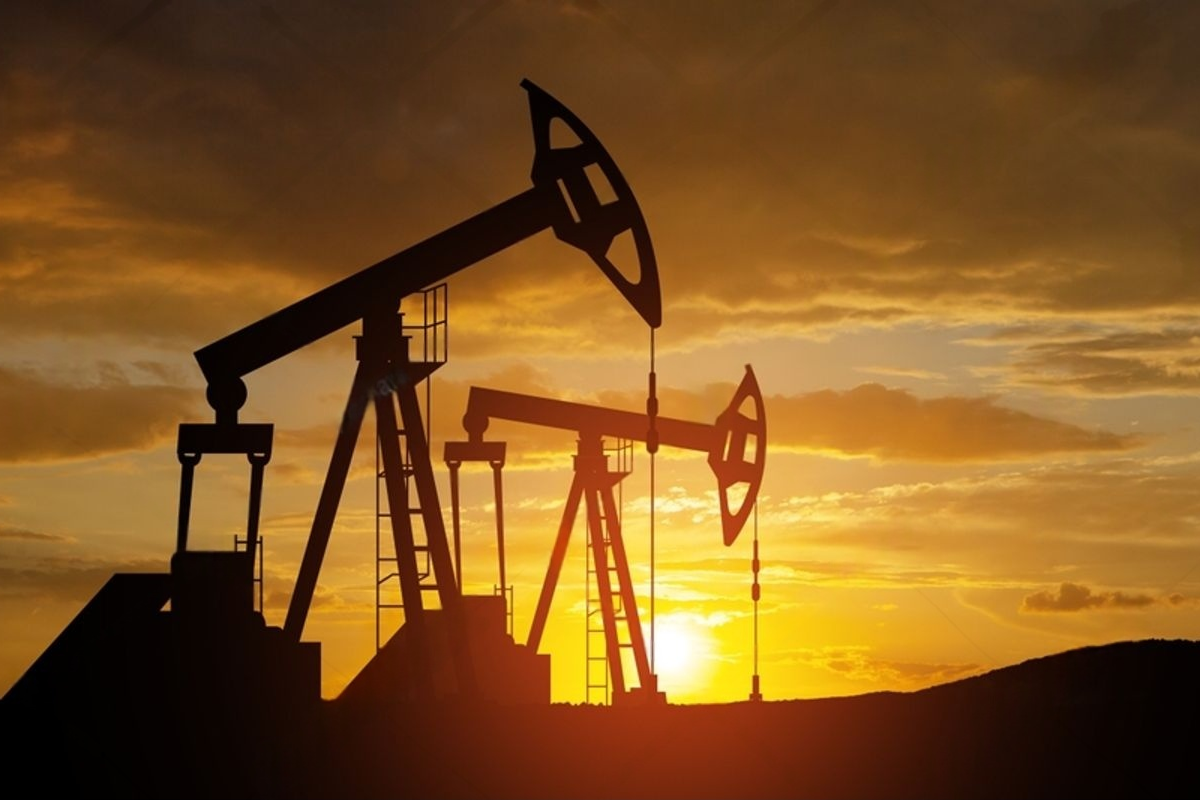
Crude prices moved higher as markets digested renewed geopolitical tensions linked to Iran–US relations, reviving concerns over supply disruptions in a region critical to global energy flows. The advance comes at a time when oil markets are already navigating constrained spare capacity and fragile demand expectations, magnifying the impact of political risk.
Geopolitical Tensions Reintroduce a Supply Risk Premium
Oil’s latest move reflects growing unease over the possibility of confrontation involving Iran, a key producer with strategic influence over Middle Eastern shipping lanes. Any escalation that threatens production or transport routes—particularly through the Strait of Hormuz—tends to trigger an immediate repricing across energy markets.
Traders have increasingly factored in the possibility of supply disruption, even if no physical outages have occurred. This risk premium is often swift to emerge and slow to fade, as markets hedge against worst-case scenarios. With global spare capacity concentrated among a small number of producers, the margin for error remains limited.
Market Reaction Extends Beyond Crude
The rise in oil prices reverberated across financial markets. Energy equities generally outperformed, benefiting from higher price realizations and improved cash flow expectations. In contrast, sectors sensitive to fuel costs—such as transportation and consumer discretionary—faced renewed pressure as investors reassessed margin risks.
In currency markets, higher oil prices tend to support energy-linked currencies while weighing on importers. Inflation expectations also edged higher, complicating the outlook for central banks that are attempting to balance easing cycles against renewed cost pressures. For bond markets, this dynamic introduces uncertainty around the timing and depth of future rate cuts.
Strategic Implications for Global Energy and Regional Markets
Beyond short-term price action, the episode underscores the structural vulnerability of global energy markets to geopolitical shocks. Despite increased diversification of supply over the past decade, the Middle East remains a linchpin for crude exports. Any sustained disruption would likely force consuming nations to draw down strategic reserves or seek alternative sources at higher cost.
For Israel and the broader region, elevated oil prices carry mixed implications. Higher energy costs can feed into inflation and weigh on consumer sentiment, while regional instability may influence capital flows and risk perception. At the same time, energy-related investment and hedging activity often increases during periods of heightened uncertainty.
Looking ahead, markets will closely monitor diplomatic signals, military developments, and shipping security in the Persian Gulf. The durability of the oil rally will depend on whether tensions escalate or de-escalate, as well as on broader demand trends and OPEC+ policy responses. Risks remain skewed toward volatility, with upside pressure if supply fears intensify and downside risk if diplomacy prevails or demand weakens. In this environment, oil is once again acting as a barometer of geopolitical stress, with implications that extend well beyond the energy complex.
Comparison, examination, and analysis between investment houses
Leave your details, and an expert from our team will get back to you as soon as possible
* This article, in whole or in part, does not contain any promise of investment returns, nor does it constitute professional advice to make investments in any particular field.
To read more about the full disclaimer, click here
- sagi habasov
- •
- 8 Min Read
- •
- ago 7 hours
SKN | Is Silver’s Violent Whipsaw Exposing a Structural Fragility in Precious Metals Markets?
Silver is once again testing investor nerves, swinging sharply between steep losses and sudden rebounds as liquidity evaporates at critical
- ago 7 hours
- •
- 8 Min Read

Silver is once again testing investor nerves, swinging sharply between steep losses and sudden rebounds as liquidity evaporates at critical

- orshu
- •
- 7 Min Read
- •
- ago 11 hours
SKN | Is Silver’s Violent Whipsaw a Warning Signal for the Entire Precious Metals Trade?
Silver once again reminded investors why it carries a reputation for instability. Prices lurched sharply between gains and losses, at
- ago 11 hours
- •
- 7 Min Read

Silver once again reminded investors why it carries a reputation for instability. Prices lurched sharply between gains and losses, at
- orshu
- •
- 6 Min Read
- •
- ago 24 hours
SKN | Silver Volatility Exposes Leverage Risks as 3x ETP Triggers Intraday Rebalance
A sudden decline in silver prices prompted a 3x leveraged silver exchange-traded product to trigger an intraday rebalance, drawing
- ago 24 hours
- •
- 6 Min Read

A sudden decline in silver prices prompted a 3x leveraged silver exchange-traded product to trigger an intraday rebalance, drawing

- Ronny Mor
- •
- 7 Min Read
- •
- ago 2 days
SKN | Oil Prices Slide After US–Iran Talks Signal De-escalation — Is the Geopolitical Risk Premium Fading?
Global oil prices moved lower after reports that the United States and Iran agreed to engage in diplomatic talks, reducing
- ago 2 days
- •
- 7 Min Read

Global oil prices moved lower after reports that the United States and Iran agreed to engage in diplomatic talks, reducing

