





- Lior mor
- •
- 6 Min Read
- •
- 14 hours ago
Key Points
- Crude oil prices declined following OPEC+ agreement to raise collective output targets.
- The decision adds pressure to an already sensitive market balancing demand uncertainty and supply discipline.
- Investors are reassessing short-term price stability amid shifting production strategies among major exporters.
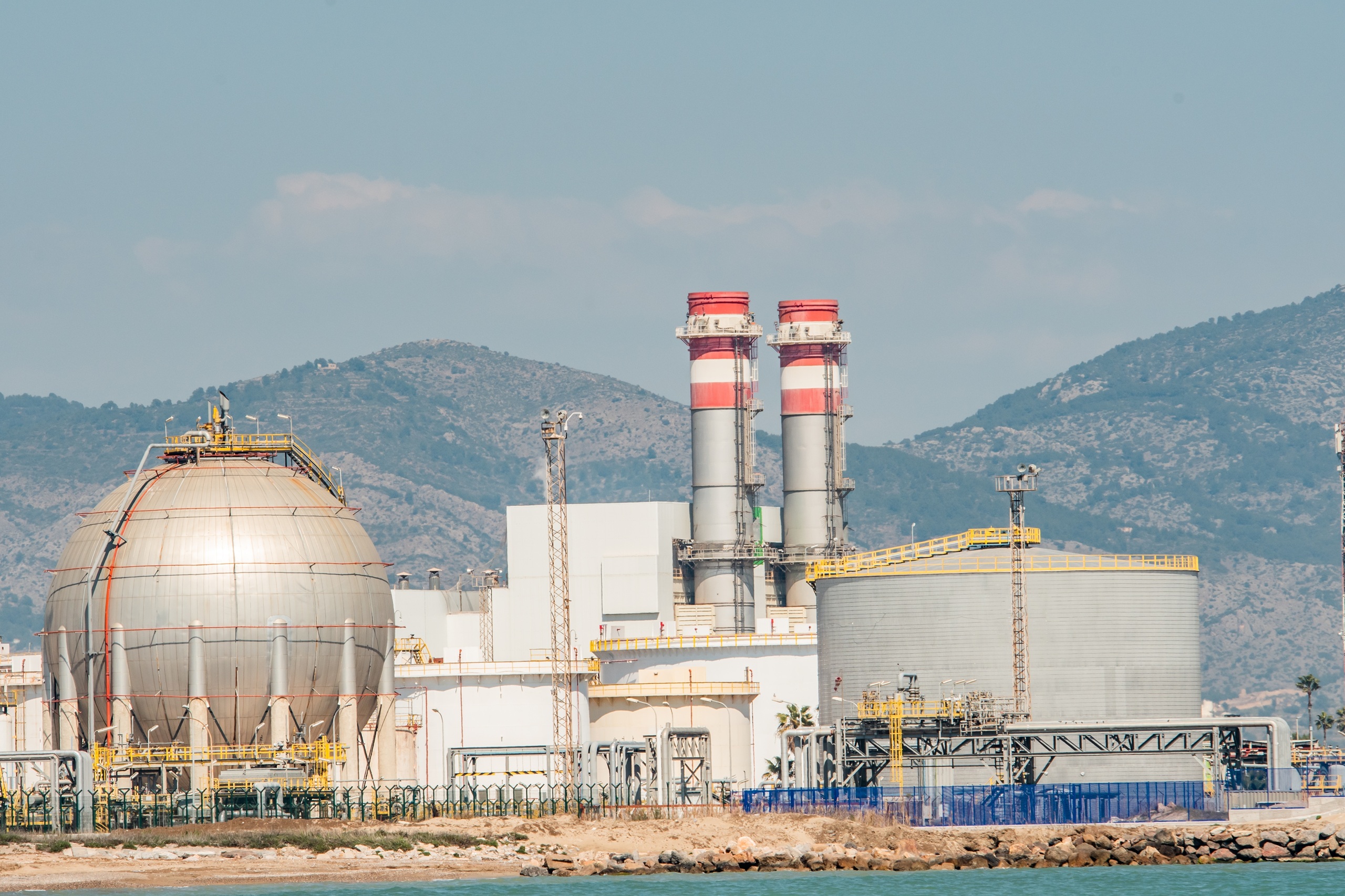
Global oil markets came under mild pressure after OPEC+ members agreed to increase output targets, signaling a gradual easing of prior production constraints. The move arrives at a time when energy markets are navigating uneven demand signals from China, resilient consumption in the United States, and broader macroeconomic uncertainty linked to interest rate policy and global growth expectations.
OPEC+ Output Strategy and Market Reaction
The decision by OPEC+ to raise output targets reflects a calibrated approach to managing market share while maintaining price stability. Although the adjustment is not an abrupt supply surge, it represents a directional shift after a period of coordinated production restraint designed to support crude prices.
Oil benchmarks responded with modest declines in early trading, as markets priced in the potential for higher supply in the coming months. Brent crude, which has been trading within a relatively contained range in recent weeks, remains sensitive to any signals that alter the supply-demand equilibrium. Market participants are closely monitoring whether the increase will translate into actual production or remain partially offset by capacity limitations among some member states.
Demand Uncertainty and Macro Pressures
The supply-side adjustment is unfolding against a backdrop of uneven global demand trends. In China, industrial activity and fuel consumption have shown signs of stabilization but remain below historical growth trajectories, reflecting structural transitions in the economy. In contrast, U.S. demand has remained relatively resilient, supported by strong travel activity and steady industrial output.
At the same time, global monetary policy conditions continue to influence energy consumption expectations. Higher interest rates in major economies have weighed on growth-sensitive sectors, raising concerns about potential softening in future fuel demand. This macro environment has contributed to increased volatility in oil pricing, even in periods of relatively stable physical supply.
Strategic Positioning Within OPEC+ and Market Discipline
The OPEC+ alliance continues to balance competing priorities among its members, particularly between revenue optimization and long-term market share retention. While higher output targets suggest a willingness to gradually unwind previous cuts, production discipline remains uneven across participating countries due to capacity constraints and domestic fiscal needs.
For key producers, including Saudi Arabia and Russia, the strategy reflects a cautious attempt to avoid triggering a sharp price decline while responding to evolving global supply dynamics, including rising output from non-OPEC producers such as the United States. The interplay between these forces continues to define the medium-term trajectory of global oil markets.
Market analysts are also paying attention to compliance rates, which have historically influenced the effectiveness of OPEC+ agreements. Any divergence between announced targets and actual production could either amplify or mute the expected impact on prices.
Looking ahead, oil markets are likely to remain highly responsive to revisions in global growth forecasts, inventory data, and any further policy adjustments from OPEC+. The balance between supply management and demand resilience will be central in determining whether recent price softness represents a temporary adjustment or the beginning of a broader trend.
Comparison, examination, and analysis between investment houses
Leave your details, and an expert from our team will get back to you as soon as possible
* This article, in whole or in part, does not contain any promise of investment returns, nor does it constitute professional advice to make investments in any particular field.
To read more about the full disclaimer, click here
- Lior mor
- •
- 6 Min Read
- •
- ago 2 hours
SKN | Can Gold Hold Its Recovery as Investors Await Key Federal Reserve Signals?
Gold prices pulled back on Monday after briefly reaching their highest level in two weeks, as a firmer U.S. dollar
- ago 2 hours
- •
- 6 Min Read

Gold prices pulled back on Monday after briefly reaching their highest level in two weeks, as a firmer U.S. dollar

- orshu
- •
- 7 Min Read
- •
- ago 3 days
SKN | Gold Climbs as Softer Dollar and Cooling Inflation Expectations Lift Safe-Haven Demand
Gold prices advanced as investors responded to a softer U.S. dollar and growing confidence that inflation pressures continue to
- ago 3 days
- •
- 7 Min Read

Gold prices advanced as investors responded to a softer U.S. dollar and growing confidence that inflation pressures continue to

- Ronny Mor
- •
- 6 Min Read
- •
- ago 3 days
SKN | Why Is Gold Heading for Its First Weekly Gain in Five Weeks as Fed Rate Hike Expectations Fade?
Gold prices advanced sharply on Friday, positioning the precious metal for its first weekly gain in five weeks as disappointing
- ago 3 days
- •
- 6 Min Read

Gold prices advanced sharply on Friday, positioning the precious metal for its first weekly gain in five weeks as disappointing

- omer bar
- •
- 7 Min Read
- •
- ago 4 days
SKN | Can Gold Sustain Its Rebound Above $4,100 After Weak U.S. Jobs Data Shifts Fed Expectations?
Gold prices rebounded sharply on Thursday, climbing back above the $4,100 per troy ounce level after disappointing U.S. labor market
- ago 4 days
- •
- 7 Min Read
Gold prices rebounded sharply on Thursday, climbing back above the $4,100 per troy ounce level after disappointing U.S. labor market


