


- Lior mor
- •
- 6 Min Read
- •
- 2 hours ago
Key Points
- Oil prices stabilized despite heightened geopolitical risks surrounding the Strait of Hormuz.
- Reports of tanker attacks and renewed policy signals tied to Donald Trump added uncertainty to supply outlooks.
- Markets remain sensitive to disruptions in a corridor that handles roughly 20% of global oil flows.
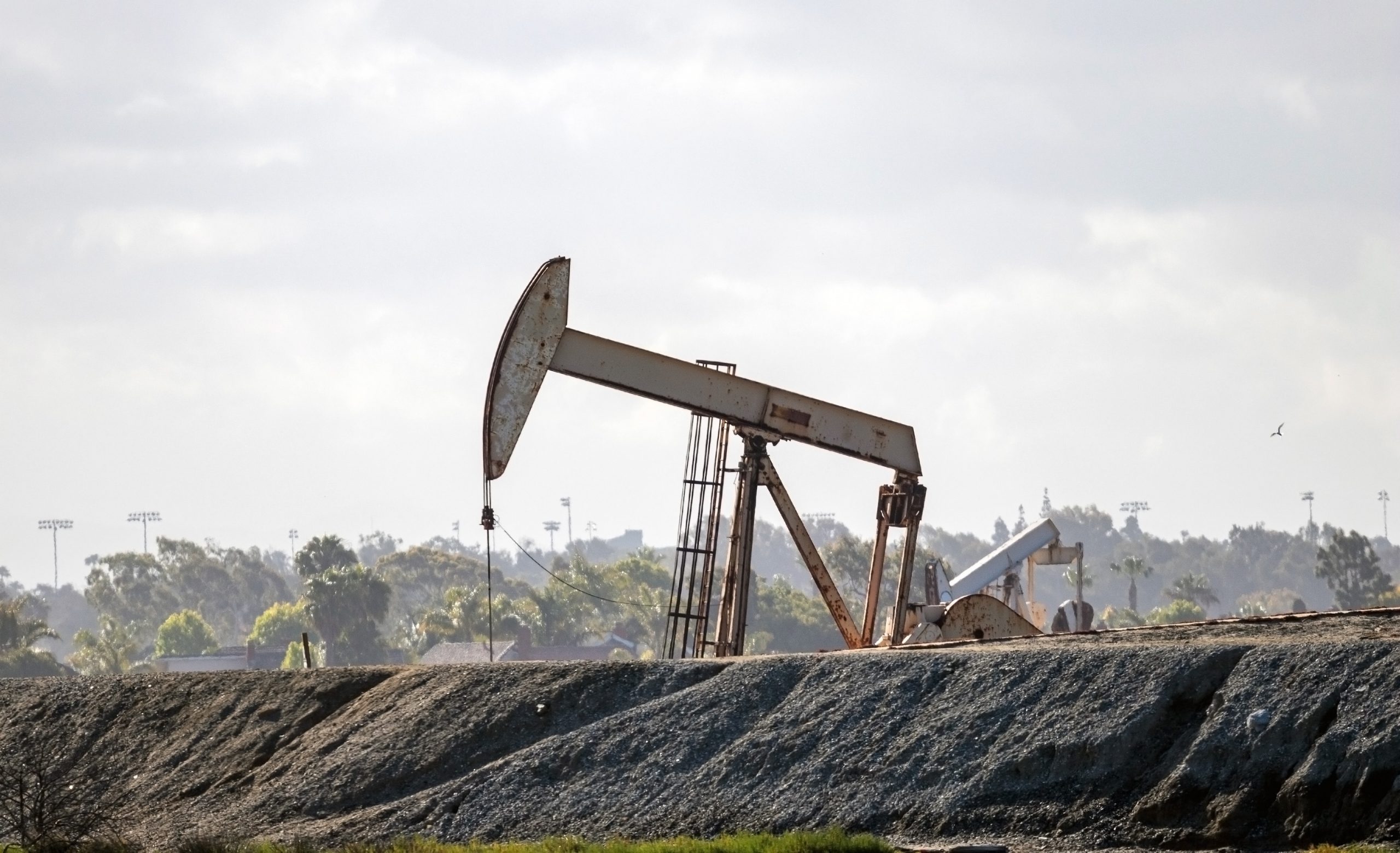
Oil prices steadied in recent trading sessions as investors balanced escalating geopolitical tensions in the Middle East against uncertain policy signals linked to former U.S. President Donald Trump. The combination of reported tanker attacks near the Strait of Hormuz and renewed discussions around U.S. strategy in the region has kept energy markets cautious but not yet volatile.
Hormuz Tensions Re-emerge as a Structural Risk
The Strait of Hormuz remains one of the most critical arteries in global energy markets, with approximately 20 million barrels per day—nearly one-fifth of worldwide consumption—passing through the narrow waterway. Recent reports of attacks on commercial tankers have reignited concerns about supply disruptions, though no sustained outages have been confirmed.
Brent crude has hovered in a relatively tight range, reflecting a market that is alert but not yet pricing in a worst-case scenario. Historically, even limited disruptions in the region can trigger sharp price spikes, as seen during past incidents involving Iran-linked tensions. However, the absence of confirmed production losses has tempered immediate reactions.
Trump’s Policy Signals Add Strategic Uncertainty
Market participants are also parsing signals tied to Trump’s evolving stance on Middle East security and oil flows. While not currently in office, Trump’s policy positioning—particularly regarding Iran sanctions and military deterrence—remains influential in shaping expectations around future U.S. engagement.
A more aggressive enforcement of sanctions on Iranian exports could tighten global supply, especially at a time when OPEC+ production discipline is already constraining output. Conversely, any indication of de-escalation or renegotiation could ease supply concerns. This policy ambiguity has contributed to oil’s recent stabilization rather than directional momentum.
Market Balances and Global Demand Dynamics
Beyond geopolitics, underlying market fundamentals continue to play a stabilizing role. Global demand growth has shown signs of moderation, particularly in Asia, while non-OPEC supply—led by U.S. shale—remains resilient. These factors have helped offset geopolitical risk premiums that would otherwise push prices higher.
At the same time, OPEC+ has maintained a cautious approach to production increases, aiming to support prices without triggering demand destruction. This balancing act has created a relatively narrow trading band, with Brent crude fluctuating within a mid-$70s to low-$80s range in recent weeks, according to market data.
For Israeli investors, the implications are largely indirect but significant. Energy price stability influences inflation expectations, currency dynamics, and broader equity market sentiment, particularly for sectors sensitive to input costs and global trade conditions.
Looking ahead, markets are likely to remain highly reactive to developments in the Strait of Hormuz and shifts in U.S. policy signaling. Key risks include escalation of maritime attacks, stricter enforcement of sanctions, or unexpected supply disruptions. Conversely, sustained demand softness or diplomatic breakthroughs could cap prices. In the near term, oil appears anchored between geopolitical risk premiums and moderating fundamentals—a balance that may prove fragile if tensions intensify.
Comparison, examination, and analysis between investment houses
Leave your details, and an expert from our team will get back to you as soon as possible
* This article, in whole or in part, does not contain any promise of investment returns, nor does it constitute professional advice to make investments in any particular field.
To read more about the full disclaimer, click here
- Ronny Mor
- •
- 6 Min Read
- •
- ago 54 minutes
SKN | Can Gold Maintain Stability as US Hormuz Strategy and Iran Peace Talks Shape Geopolitical Risk?
Gold prices held steady in recent trading as investors weighed shifting geopolitical signals tied to the U.S. approach to the
- ago 54 minutes
- •
- 6 Min Read

Gold prices held steady in recent trading as investors weighed shifting geopolitical signals tied to the U.S. approach to the
- Ronny Mor
- •
- 6 Min Read
- •
- ago 2 days
SKN | Is Gold’s Rebound Signaling Renewed Bullish Momentum or Just Short-Term Relief?
Gold prices moved higher as investors responded to renewed hopes of a diplomatic breakthrough between the United States and Iran.
- ago 2 days
- •
- 6 Min Read

Gold prices moved higher as investors responded to renewed hopes of a diplomatic breakthrough between the United States and Iran.

- Arik Arkadi Sluzki
- •
- 6 Min Read
- •
- ago 3 days
SKN | US Natural Gas Surplus Builds as Global Demand Surges but Export Limits Constrain Flows
States faces a persistent domestic surplus. The imbalance highlights structural constraints in global energy distribution, where supply abundance in
- ago 3 days
- •
- 6 Min Read

States faces a persistent domestic surplus. The imbalance highlights structural constraints in global energy distribution, where supply abundance in

- omer bar
- •
- 6 Min Read
- •
- ago 3 days
SKN | Why Are Oil Prices Falling Despite Ongoing Geopolitical Tensions?
WTI crude oil prices pulled back as markets reacted to signs of diplomatic progress in the Middle East, highlighting how
- ago 3 days
- •
- 6 Min Read

WTI crude oil prices pulled back as markets reacted to signs of diplomatic progress in the Middle East, highlighting how


