


- omer bar
- •
- 7 Min Read
- •
- 9 minutes ago
Key Points
- Crude oil prices advance as traders evaluate a proposed U.S. naval escort plan aimed at securing shipping through the Strait of Hormuz.
- Roughly one-fifth of global oil supply transits the waterway, amplifying geopolitical risk premiums.
- Higher energy prices may complicate inflation trends and central bank policy expectations worldwide.
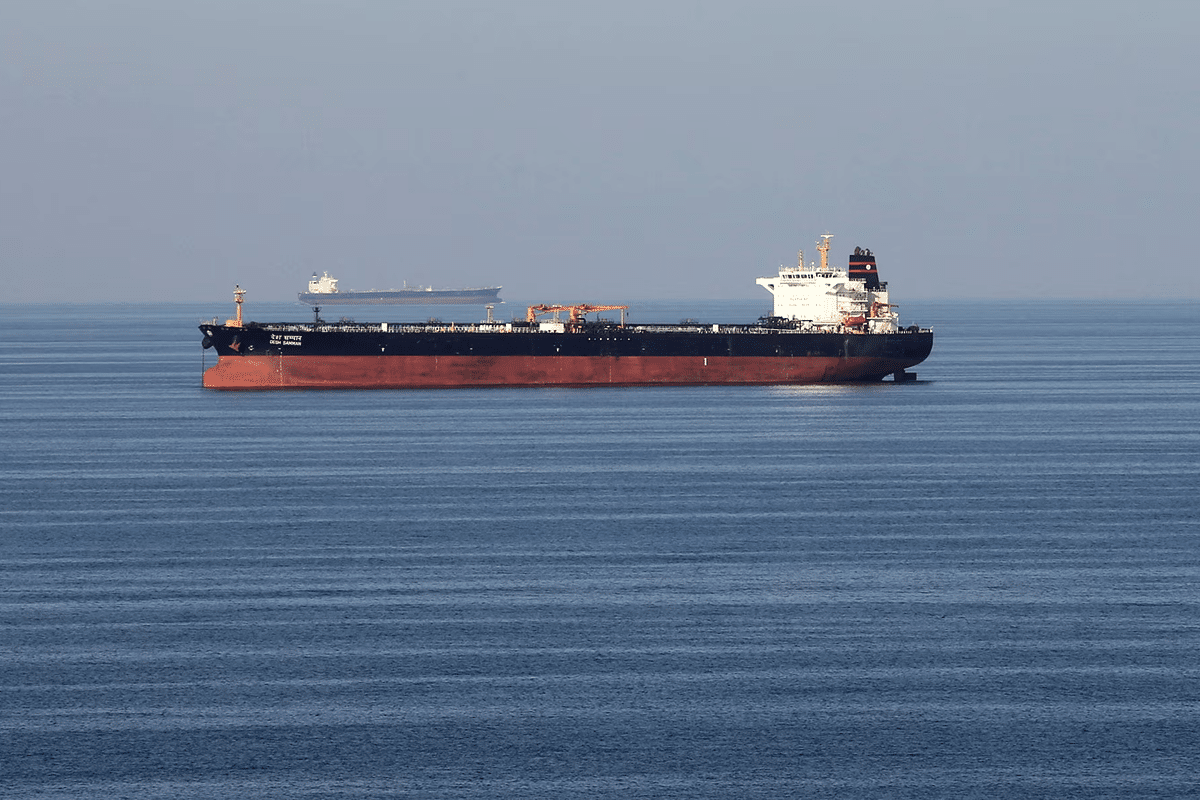
Oil prices extended their recent advance as market participants weighed reports that the United States is considering enhanced naval escorts for commercial vessels transiting the Strait of Hormuz. The development comes at a time of heightened geopolitical tension in the Gulf region, reinforcing concerns over potential supply disruptions in one of the world’s most strategically vital energy corridors. Brent crude and West Texas Intermediate both traded higher in recent sessions, reflecting a renewed geopolitical risk premium embedded in prices.
Hormuz: A Strategic Chokepoint for Global Energy
The Strait of Hormuz handles approximately 20% of global petroleum liquids consumption, according to data from the U.S. Energy Information Administration. Any perceived threat to maritime security in the narrow passage can have an immediate impact on oil futures, freight rates, and insurance costs. The prospect of U.S. naval escorts is viewed by traders as both a stabilizing force and a signal that risks in the region have intensified.
Historically, even limited disruptions or security incidents in the Gulf have triggered short-term spikes in crude benchmarks. Markets are particularly sensitive given that OPEC producers, including Saudi Arabia, rely heavily on Hormuz for exports to Asia and Europe. For energy-importing economies, including Israel, supply route stability is a critical factor in price predictability and macroeconomic planning.
Risk Premium Builds Into Oil Futures
Brent crude has added several percentage points over recent trading sessions, while WTI futures have mirrored the upward trajectory. Although global inventories remain within historical ranges, traders are focusing less on immediate supply-demand balances and more on geopolitical tail risks. The reintroduction of a risk premium suggests that energy markets are pricing in the possibility of shipping delays, higher insurance costs, or further escalation.
Higher oil prices carry broader financial implications. Energy is a key input across transportation, manufacturing, and agriculture, meaning sustained price increases could feed into consumer inflation data in major economies. For central banks that have been attempting to anchor inflation expectations, a renewed oil rally introduces complexity into rate path projections.
Israeli financial markets are particularly sensitive to global energy price volatility. While Israel has developed domestic natural gas production, it remains connected to global crude pricing dynamics through fuel imports and refined product markets.
Market Reaction Across Asset Classes
Beyond crude markets, rising geopolitical tension has influenced currency and bond markets. The U.S. dollar has shown relative strength in recent sessions, reflecting its safe-haven status during periods of uncertainty. Meanwhile, government bond yields have fluctuated as investors balance inflation concerns against potential growth risks.
Equity markets, particularly in energy-producing nations, have seen sector-specific gains in oil and gas shares. However, broader indices have displayed mixed performance, as higher energy costs may weigh on corporate margins in non-energy sectors. For globally diversified portfolios, the interplay between commodities, equities, and fixed income is once again at the forefront.
Looking ahead, traders will monitor concrete developments regarding the U.S. escort plan, regional diplomatic signals, and shipping activity data through the Strait of Hormuz. Should security measures successfully reduce perceived risks, some of the geopolitical premium could unwind. Conversely, any escalation or disruption to tanker traffic may sustain upward pressure on crude benchmarks. For global and Israeli investors alike, oil price stability will remain a pivotal variable influencing inflation trends, monetary policy expectations, and cross-asset volatility in the weeks ahead.
Comparison, examination, and analysis between investment houses
Leave your details, and an expert from our team will get back to you as soon as possible
* This article, in whole or in part, does not contain any promise of investment returns, nor does it constitute professional advice to make investments in any particular field.
To read more about the full disclaimer, click here
- orshu
- •
- 7 Min Read
- •
- ago 3 hours
SKN | Oil Surges Nearly 5% to Highest Since January 2025 — Is the Middle East Risk Premium Back?
Global oil prices jumped nearly 5%, with both Brent crude and U.S. West Texas Intermediate (WTI) settling at their
- ago 3 hours
- •
- 7 Min Read

Global oil prices jumped nearly 5%, with both Brent crude and U.S. West Texas Intermediate (WTI) settling at their

- Ronny Mor
- •
- 6 Min Read
- •
- ago 10 hours
SKN | Silver Tumbles Over 10% as Dollar Surges — Is Safe-Haven Demand Shifting Away from Precious Metals?
Silver experienced one of its sharpest single-day declines in months, plunging more than 10% as investors rotated into the US
- ago 10 hours
- •
- 6 Min Read

Silver experienced one of its sharpest single-day declines in months, plunging more than 10% as investors rotated into the US

- omer bar
- •
- 6 Min Read
- •
- ago 11 hours
SKN | No Immediate SPR Release: Can the U.S. Contain Oil Prices Without Tapping Its Emergency Reserve?
The Trump administration has opted against an immediate release of crude from the Strategic Petroleum Reserve (SPR), even as oil
- ago 11 hours
- •
- 6 Min Read

The Trump administration has opted against an immediate release of crude from the Strategic Petroleum Reserve (SPR), even as oil
- Ronny Mor
- •
- 6 Min Read
- •
- ago 14 hours
SKN | Gold Climbs Above $5,380 as Middle East Escalation Fuels Safe-Haven Demand — Can the Rally Challenge January Highs?
Gold advanced for a fifth consecutive session as escalating military conflict in the Middle East disrupted energy markets and intensified
- ago 14 hours
- •
- 6 Min Read

Gold advanced for a fifth consecutive session as escalating military conflict in the Middle East disrupted energy markets and intensified

