


- Lior mor
- •
- 7 Min Read
- •
- 31 minutes ago
Key Points
- Brent crude climbed above $69 as geopolitical risk resurfaced despite ongoing talks.
- The Strait of Hormuz remains the central vulnerability for global oil supply.
- U.S. election-year dynamics may shape the pace of escalation or de-escalation.
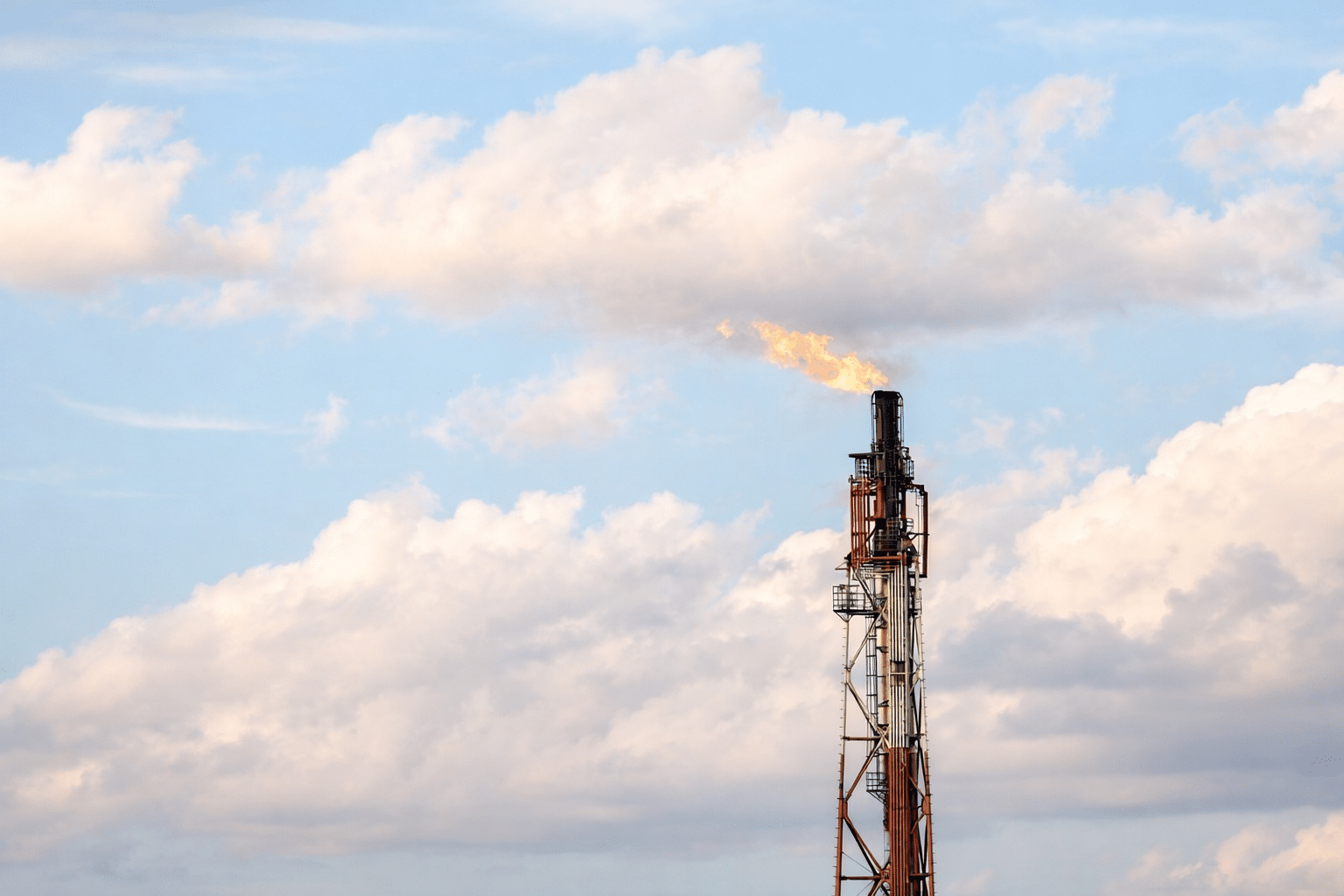
Global oil markets are once again being driven less by inventory data and more by geopolitics. Brent crude rose back above $69 per barrel after slipping nearly 2% in the previous session, as traders recalibrated expectations around the risk of U.S. military involvement in Iran. While diplomatic talks between Washington and Tehran remain ongoing, reports suggesting that any potential intervention could evolve into a multi-week campaign have injected fresh uncertainty into energy markets already balancing fragile supply-demand dynamics.
Geopolitical Risk Returns to the Forefront
The immediate catalyst for the rebound was a report indicating that potential U.S. action against Iran might extend beyond a limited strike, raising the specter of prolonged disruption in the Gulf. That distinction is critical for oil markets. A short, contained operation may have minimal impact on flows, but an extended conflict significantly elevates the probability of supply interruptions.
At the center of investor concern is the Strait of Hormuz, a chokepoint through which roughly one-fifth of global oil supply passes. Iran’s temporary closure of part of the strait for military drills this week, though brief, served as a stark reminder of how exposed global energy infrastructure remains. Even symbolic actions can amplify volatility by increasing shipping insurance costs, tightening tanker availability, and widening risk spreads in futures markets.
For Israel, closely monitoring regional stability, any escalation carries strategic implications beyond oil pricing. Markets are increasingly factoring in not just supply risks, but the broader geopolitical chain reaction that could unfold across the Middle East.
Diplomacy, Election Politics, and Market Psychology
Official messaging from both Washington and Tehran has been cautiously measured. Iranian officials have referenced a “general agreement” on guiding principles, while U.S. negotiators are expected to review a revised proposal within weeks. Yet traders appear unconvinced that diplomacy will deliver a swift resolution.
Political considerations in the United States add another layer of complexity. With mid-term elections approaching, higher gasoline prices could quickly become a domestic issue. Historically, spikes at the pump have pressured administrations to avoid actions that materially inflate fuel costs. Some analysts argue that this political constraint may limit the appetite for aggressive escalation.
However, markets tend to price risk asymmetrically. Even if the probability of conflict remains moderate, the potential severity of disruption — especially to Hormuz traffic — justifies a geopolitical premium. This explains why crude has gained year-to-date despite persistent warnings of a global supply surplus.
Supply Concerns Versus Structural Glut Fears
Oil’s resilience highlights a broader tension in commodity markets. On one hand, forecasts of rising production and slowing demand point toward a looser supply balance later this year. On the other, geopolitical flashpoints — from Iran to stalled Russia-Ukraine talks — create a floor under prices by sustaining uncertainty.
Institutional investors are responding by emphasizing risk management over directional bets. Volatility hedging, diversified energy exposure, and tactical positioning in oil-linked equities have become more prominent strategies. For refiners and airlines alike, the near-term challenge lies in navigating price swings that are driven by headlines rather than fundamentals.
Looking ahead, crude’s trajectory will likely hinge on tangible diplomatic progress, further military developments in the Gulf, and upcoming inventory data from major economies. A credible de-escalation could pull Brent back toward the mid-$60 range, while any sign of sustained confrontation risks pushing prices into the mid-$70s or beyond.
Comparison, examination, and analysis between investment houses
Leave your details, and an expert from our team will get back to you as soon as possible
* This article, in whole or in part, does not contain any promise of investment returns, nor does it constitute professional advice to make investments in any particular field.
To read more about the full disclaimer, click here
- Ronny Mor
- •
- 8 Min Read
- •
- ago 6 hours
SKN | Trump Hails Japan’s $36 Billion Energy Bet: A Turning Point for U.S. Oil, Gas and Critical Minerals?
President Donald Trump has praised Japan’s pledge to invest nearly $36 billion in U.S. oil, gas and critical mineral projects,
- ago 6 hours
- •
- 8 Min Read

President Donald Trump has praised Japan’s pledge to invest nearly $36 billion in U.S. oil, gas and critical mineral projects,

- omer bar
- •
- 6 Min Read
- •
- ago 7 hours
SKN | Brent Steady After US-Iran Talks: Is the Geopolitical Risk Premium Starting to Fade?
Brent crude hovered just above $67 per barrel on Wednesday, stabilizing after recent declines as markets digested tentative progress in
- ago 7 hours
- •
- 6 Min Read

Brent crude hovered just above $67 per barrel on Wednesday, stabilizing after recent declines as markets digested tentative progress in

- orshu
- •
- 6 Min Read
- •
- ago 5 days
SKN | Transocean Surges on Merger Momentum and Backlog Strength: Is Offshore Drilling Back in Focus?
Transocean Ltd. rallied sharply in U.S. trading, climbing more than 8% to $6.53, as investors reassessed the offshore driller’s
- ago 5 days
- •
- 6 Min Read

Transocean Ltd. rallied sharply in U.S. trading, climbing more than 8% to $6.53, as investors reassessed the offshore driller’s

- sagi habasov
- •
- 7 Min Read
- •
- ago 5 days
SKN | Is Oil Entering a Cooling Phase as Iran Talks and OPEC+ Supply Plans Shift the Balance?
Oil prices are heading toward their first back-to-back weekly decline of 2026, signaling a shift in market psychology after months
- ago 5 days
- •
- 7 Min Read

Oil prices are heading toward their first back-to-back weekly decline of 2026, signaling a shift in market psychology after months

