


- Lior mor
- •
- 7 Min Read
- •
- 11 minutes ago
Key Points
- U.S. military strikes on Iran have heightened fears of disruption in the Strait of Hormuz, a key global oil transit route.
- Crude prices reacted sharply as traders priced in a potential geopolitical risk premium.
- Energy volatility could reshape inflation expectations, central bank policy paths, and global asset allocation.
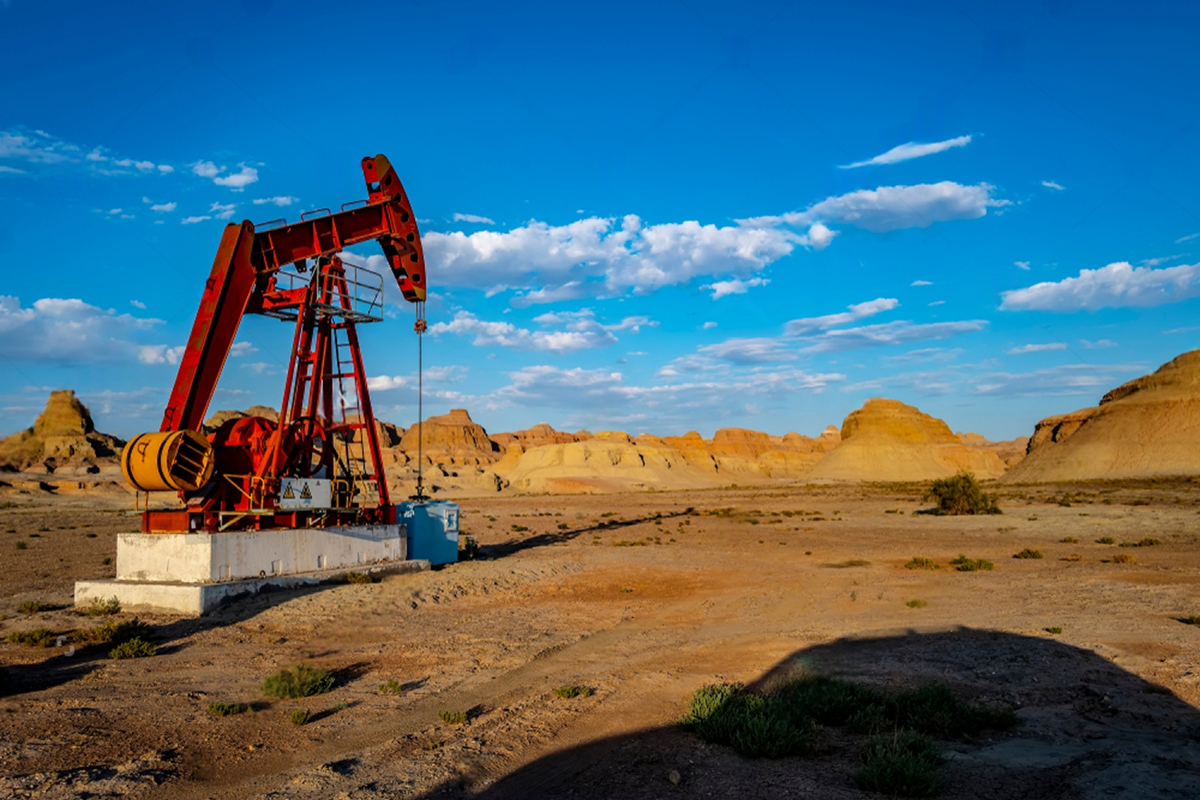
Oil markets are once again confronting geopolitical uncertainty following U.S. military strikes on Iran, a development that has intensified concerns over supply disruptions in the Middle East. Given the region’s central role in global energy flows, even limited escalation carries outsized implications for crude prices and financial markets. Investors are now recalibrating risk exposure across commodities, currencies, and equities.
The Strait of Hormuz: A Critical Chokepoint
At the heart of market anxiety lies the Strait of Hormuz, through which roughly 20% of global petroleum liquids consumption passes daily, according to data from the U.S. Energy Information Administration. Any threat to shipping lanes in this corridor could materially constrain supply, particularly for Asian importers heavily reliant on Gulf producers.
Historically, tensions involving Iran have prompted swift price reactions in Brent and WTI crude benchmarks. Traders often incorporate a “risk premium” into oil prices during periods of military escalation, reflecting the possibility of export disruptions or retaliatory measures. While physical flows have not yet been reported as interrupted, futures markets tend to respond preemptively.
Energy-importing economies, including parts of Europe and Asia, remain sensitive to abrupt price spikes. For Israel, which sources energy through a diversified mix including natural gas production domestically, higher global crude prices can still influence inflation dynamics and fuel import costs indirectly.
Inflation, Central Banks, and Market Volatility
A sustained rise in oil prices could complicate monetary policy across advanced economies. Higher energy costs feed into headline inflation, potentially delaying or moderating interest rate cuts anticipated by markets. For the Federal Reserve and the European Central Bank, the re-emergence of energy-driven price pressures may necessitate cautious communication.
Bond markets typically respond to geopolitical shocks with an initial flight to safety, pushing yields lower. However, if crude prices remain elevated, inflation expectations embedded in longer-term yields could rise. This dynamic creates tension between recession fears and price stability concerns.
Currency markets also reflect the shift. Oil-exporting nations may see support for their currencies, while import-dependent economies could face depreciation pressures. The U.S. dollar often strengthens during geopolitical stress, adding another layer of complexity for emerging markets with dollar-denominated debt.
Supply Buffers and OPEC+ Response
The extent of market disruption will depend on both the scale of escalation and the response from major producers. OPEC+ retains spare production capacity, particularly within Saudi Arabia and the United Arab Emirates, which could be deployed to offset potential supply shortfalls. Strategic petroleum reserves in major consuming nations also provide temporary buffers.
However, sustained instability may deter investment in upstream production and shipping insurance coverage, raising costs across the energy value chain. Equity markets tend to differentiate in such scenarios: integrated oil majors may benefit from higher prices, while transportation and consumer discretionary sectors face margin compression.
For institutional investors in Israel and globally, energy exposure within diversified portfolios becomes a focal point during such episodes. Volatility in crude markets can spill over into broader asset classes, reinforcing the interconnectedness of commodities and macro risk sentiment.
Looking ahead, the trajectory of oil markets will hinge on diplomatic developments and the duration of military tensions. Traders will monitor tanker traffic data, official production statements, and futures curve movements for signs of tightening supply. If escalation remains contained, the current geopolitical risk premium could gradually unwind. Conversely, broader regional involvement would likely amplify volatility, reshaping global inflation forecasts and asset pricing well beyond the energy sector.
Comparison, examination, and analysis between investment houses
Leave your details, and an expert from our team will get back to you as soon as possible
* This article, in whole or in part, does not contain any promise of investment returns, nor does it constitute professional advice to make investments in any particular field.
To read more about the full disclaimer, click here
- Arik Arkadi Sluzki
- •
- 7 Min Read
- •
- ago 1 minute
SKN | Mining Stocks Surge as Geopolitical Tensions and AI Demand Redefine Commodity Leadership
Mining stocks have emerged as unexpected leaders in global equity markets, buoyed by a combination of geopolitical instability and
- ago 1 minute
- •
- 7 Min Read

Mining stocks have emerged as unexpected leaders in global equity markets, buoyed by a combination of geopolitical instability and

- orshu
- •
- 6 Min Read
- •
- ago 2 days
SKN | Sirios Expands Quebec Footprint with OVI Mining Acquisition: Strategic Gold Consolidation or Early-Stage Risk?
Sirios Resources has finalized its acquisition of OVI Mining Corp, consolidating additional gold exploration assets in Quebec at a
- ago 2 days
- •
- 6 Min Read

Sirios Resources has finalized its acquisition of OVI Mining Corp, consolidating additional gold exploration assets in Quebec at a

- omer bar
- •
- 5 Min Read
- •
- ago 3 days
SKN | US-Venezuela Oil Deal Poised to Generate $2 Billion in Sales by End of February
Sales under the US-Venezuela oil supply agreement are forecast to reach $2 billion by the end of February 2026, signaling
- ago 3 days
- •
- 5 Min Read
Sales under the US-Venezuela oil supply agreement are forecast to reach $2 billion by the end of February 2026, signaling
- orshu
- •
- 7 Min Read
- •
- ago 4 days
SKN | Oil Holds Steady Despite Large U.S. Crude Build: Are Supply Risks Quietly Capping the Downside?
Global oil prices settled largely unchanged after official U.S. data showed a significant weekly increase in crude inventories, underscoring
- ago 4 days
- •
- 7 Min Read

Global oil prices settled largely unchanged after official U.S. data showed a significant weekly increase in crude inventories, underscoring

