





- Lior mor
- •
- 6 Min Read
- •
- 4 hours ago
Key Points
- Nvidia has denied reports that its next-generation Kyber AI server platform has been delayed until 2028, stating that its product roadmap remains unchanged.
- The company reaffirmed plans to launch the Kyber server alongside its Vera Rubin Ultra platform in the second half of 2027.
- The clarification comes as Nvidia continues to dominate AI infrastructure while facing increasing competition from AMD and major cloud providers developing their own AI chips.
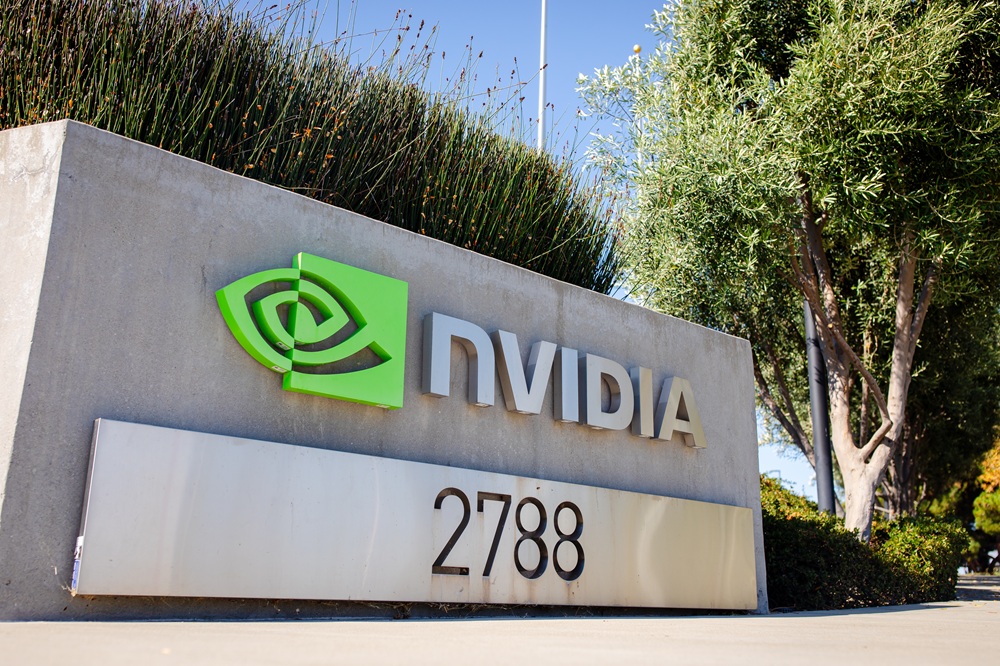
Nvidia has dismissed reports suggesting that its highly anticipated next-generation Kyber AI server platform has been pushed back by a year, reaffirming that its long-term artificial intelligence infrastructure roadmap remains unchanged. The company’s response comes as investors closely monitor execution risks across the rapidly expanding AI hardware market, where product timelines have become increasingly important for both enterprise customers and Wall Street expectations.
Nvidia Pushes Back Against Delay Claims
The controversy emerged after research firm SemiAnalysis reported that Nvidia’s Kyber AI server systems had encountered significant design-related manufacturing challenges, allegedly delaying commercial availability until 2028. Nvidia quickly rejected the claims, with a company spokesperson stating that its product roadmap “remains intact.”
The clarification helped calm concerns surrounding one of Nvidia’s most important future product launches. Shares of Nvidia traded largely unchanged following the company’s response, indicating that investors viewed management’s statement as sufficient to counter speculation regarding major execution issues.
Kyber Platform Represents the Next Phase of AI Infrastructure
The Kyber server introduces a redesigned architecture that positions server racks vertically rather than horizontally, enabling substantially greater computing density within each cabinet. Under the new design, Nvidia plans to double GPU capacity from 72 graphics processors per server to 144, significantly increasing AI training and inference performance for hyperscale data centers.
Nvidia expects Kyber to debut alongside its Vera Rubin Ultra platform during the second half of 2027, following the planned release of the standard Vera Rubin architecture later this year. The company’s annual product cadence has become a critical competitive advantage as cloud providers race to deploy increasingly powerful AI infrastructure.
Competition Intensifies Despite Nvidia’s Leadership
Although Nvidia remains the dominant supplier of AI accelerators, competitive pressures continue to build. Advanced Micro Devices is preparing its own high-density AI server platform featuring 72-chip rack configurations, while hyperscale cloud providers including Google and Amazon are accelerating development of proprietary AI processors for internal use and commercial customers.
Despite growing competition, Nvidia’s financial performance continues to demonstrate exceptional momentum. Revenue has expanded from $26.9 billion in fiscal 2023, when generative AI adoption accelerated, to approximately $215.9 billion in fiscal 2026. Wall Street analysts currently forecast revenue approaching $392.7 billion during fiscal 2027, reflecting continued demand for AI infrastructure across enterprise, cloud computing, and sovereign AI initiatives.
Looking ahead, investors will continue monitoring Nvidia’s product execution, manufacturing capacity, and competitive positioning as the AI hardware market enters its next phase of expansion. While rumors surrounding product delays can temporarily influence market sentiment, Nvidia’s reaffirmation of its roadmap reinforces confidence that the company intends to maintain its aggressive innovation cycle. Successfully delivering the Vera Rubin and Kyber platforms on schedule will remain essential to preserving Nvidia’s technological leadership as rivals invest heavily to narrow the performance gap.
Comparison, examination, and analysis between investment houses
Leave your details, and an expert from our team will get back to you as soon as possible
* This article, in whole or in part, does not contain any promise of investment returns, nor does it constitute professional advice to make investments in any particular field.
To read more about the full disclaimer, click here
- omer bar
- •
- 6 Min Read
- •
- ago 9 minutes
SKN | Tesla Stock Surges as Investors Reevaluate EV Growth, AI Strategy, and Future Expansion
Tesla (TSLA) shares moved sharply higher as investors renewed their focus on the company’s growth opportunities across electric vehicles, artificial
- ago 9 minutes
- •
- 6 Min Read
Tesla (TSLA) shares moved sharply higher as investors renewed their focus on the company’s growth opportunities across electric vehicles, artificial
- omer bar
- •
- 8 Min Read
- •
- ago 3 hours
SKN | Alphabet Pulls Back From Record Highs: Opportunity or a Valuation Reset?
Alphabet Inc., the parent company of Google, has seen its shares fall more than 10% from recent record highs, placing
- ago 3 hours
- •
- 8 Min Read

Alphabet Inc., the parent company of Google, has seen its shares fall more than 10% from recent record highs, placing

- Lior mor
- •
- 8 Min Read
- •
- ago 3 hours
SKN | Tesla, Rivian and the ‘Holly Index’: A New Framework for Measuring the Next Phase of the EV Market
The global electric vehicle (EV) industry is entering a new stage of development as investors transition from rewarding ambitious
- ago 3 hours
- •
- 8 Min Read
The global electric vehicle (EV) industry is entering a new stage of development as investors transition from rewarding ambitious

- sagi habasov
- •
- 8 Min Read
- •
- ago 3 hours
SKN | SpaceX’s Nasdaq-100 Entry Could Reshape Options Trading Dynamics Across Wall Street
SpaceX's imminent addition to the Nasdaq-100 Index represents more than a milestone for one of the world's largest newly
- ago 3 hours
- •
- 8 Min Read
SpaceX's imminent addition to the Nasdaq-100 Index represents more than a milestone for one of the world's largest newly


