


- Lior mor
- •
- 5 Min Read
- •
- 4 hours ago
Key Points
- Nvidia has reportedly halted production of chips designed for the Chinese market.
- Manufacturing capacity at TSMC is being redirected toward next-generation AI hardware.
- Export controls from the U.S. and China continue to reshape the global semiconductor supply chain.
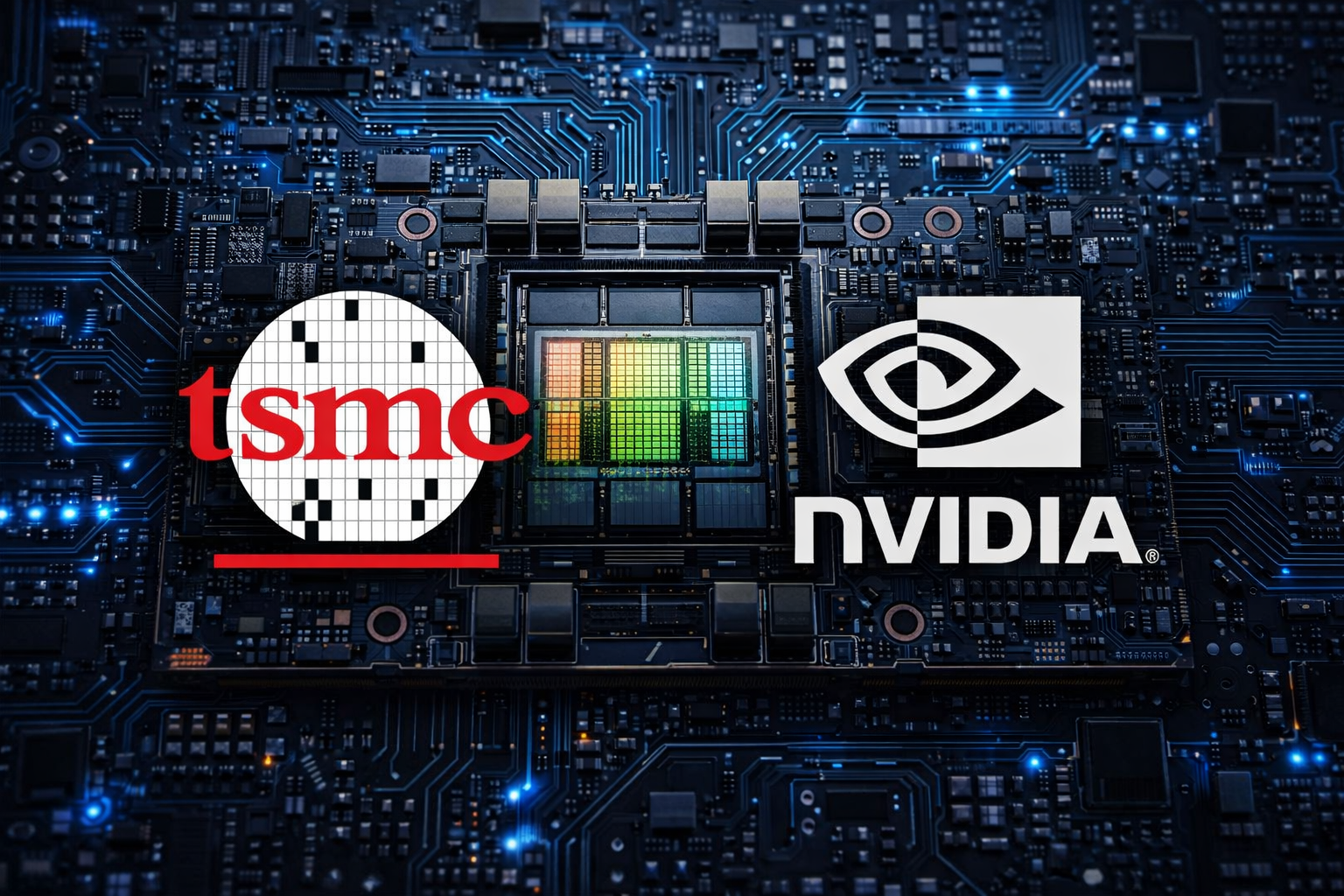
Nvidia has reportedly stopped producing certain chips designed specifically for the Chinese market, signaling a strategic shift as export restrictions continue to limit technology trade between the United States and China.
According to reports, Nvidia has reallocated manufacturing capacity at Taiwan Semiconductor Manufacturing Company, commonly known as TSMC, away from producing H200 chips previously intended for China.
Instead, the company is directing that capacity toward the development and production of its next-generation AI hardware platform known as Vera Rubin.
Export Controls Reshape Chip Strategy
The move reflects the growing impact of export controls imposed by the U.S. government on advanced semiconductor technologies.
Washington has introduced multiple rounds of restrictions aimed at limiting China’s access to high-performance chips used in artificial intelligence and advanced computing.
These rules have forced semiconductor companies to redesign products or limit shipments to Chinese customers, one of the largest markets for advanced computing hardware.
Shift Toward Next-Generation AI Chips
By redirecting production toward the Vera Rubin platform, Nvidia appears to be prioritizing future AI demand rather than attempting to maintain limited product lines for restricted markets.
The company’s AI chips power a large share of global data center infrastructure used to train and run advanced artificial intelligence models.
Demand from cloud providers, research institutions, and AI startups has surged over the past two years, creating intense competition for manufacturing capacity at TSMC.
China Market Becoming More Difficult
China has historically been a major revenue driver for Nvidia, but the regulatory environment has made the market increasingly complex.
Export restrictions limit the performance capabilities of chips that can legally be sold in China, while geopolitical tensions have raised uncertainty for long-term technology cooperation.
As a result, companies across the semiconductor industry are adjusting their strategies to focus on markets with fewer regulatory barriers.
Global AI Chip Race Accelerates
Nvidia’s decision highlights the broader shift underway in the semiconductor sector, where demand for AI hardware is growing rapidly.
With AI development accelerating across industries, chipmakers are racing to deliver faster processors and more advanced computing platforms.
Redirecting production capacity toward next-generation chips may help Nvidia maintain its leadership position in the rapidly expanding AI infrastructure market.
Comparison, examination, and analysis between investment houses
Leave your details, and an expert from our team will get back to you as soon as possible
* This article, in whole or in part, does not contain any promise of investment returns, nor does it constitute professional advice to make investments in any particular field.
To read more about the full disclaimer, click here
- Lior mor
- •
- 4 Min Read
- •
- ago 2 minutes
SKN | OpenAI Revenue Surpasses $25 Billion as AI Race Accelerates
Artificial intelligence leader OpenAI has surpassed $25 billion in annualized revenue, highlighting the explosive growth of the global AI industry.
- ago 2 minutes
- •
- 4 Min Read

Artificial intelligence leader OpenAI has surpassed $25 billion in annualized revenue, highlighting the explosive growth of the global AI industry.

- omer bar
- •
- 6 Min Read
- •
- ago 7 hours
SKN | US Lawmakers Question Intel Over Testing Chinese-Linked Tools Amid Security Concerns
US legislators are scrutinizing Intel Corporation over its reported testing of semiconductor manufacturing tools from a company with Chinese affiliations.
- ago 7 hours
- •
- 6 Min Read

US legislators are scrutinizing Intel Corporation over its reported testing of semiconductor manufacturing tools from a company with Chinese affiliations.

- Ronny Mor
- •
- 7 Min Read
- •
- ago 7 hours
SKN | Could Iran Tensions Derail Middle East Data Center Expansion and Pressure South Korea’s Semiconductor Giants?
Rising geopolitical tensions involving Iran are prompting renewed scrutiny of infrastructure investments across the Middle East, including large-scale data center
- ago 7 hours
- •
- 7 Min Read

Rising geopolitical tensions involving Iran are prompting renewed scrutiny of infrastructure investments across the Middle East, including large-scale data center

- sagi habasov
- •
- 4 Min Read
- •
- ago 10 hours
SKN | Broadcom Earnings Beat Estimates but Investor Concerns Over AI Returns Weigh on Stock
Broadcom reported first-quarter results that slightly exceeded Wall Street expectations, but the modest beat failed to excite investors as concerns
- ago 10 hours
- •
- 4 Min Read

Broadcom reported first-quarter results that slightly exceeded Wall Street expectations, but the modest beat failed to excite investors as concerns

