


- omer bar
- •
- 7 Min Read
- •
- 34 minutes ago
Key Points
- NVIDIA’s dominance in AI accelerators has reshaped the semiconductor landscape and redefined data center economics.
- Jim Cramer argues the company effectively created a new computing category built around parallel processing for artificial intelligence.
- Valuation remains elevated, making execution and sustained demand critical for continued outperformance.
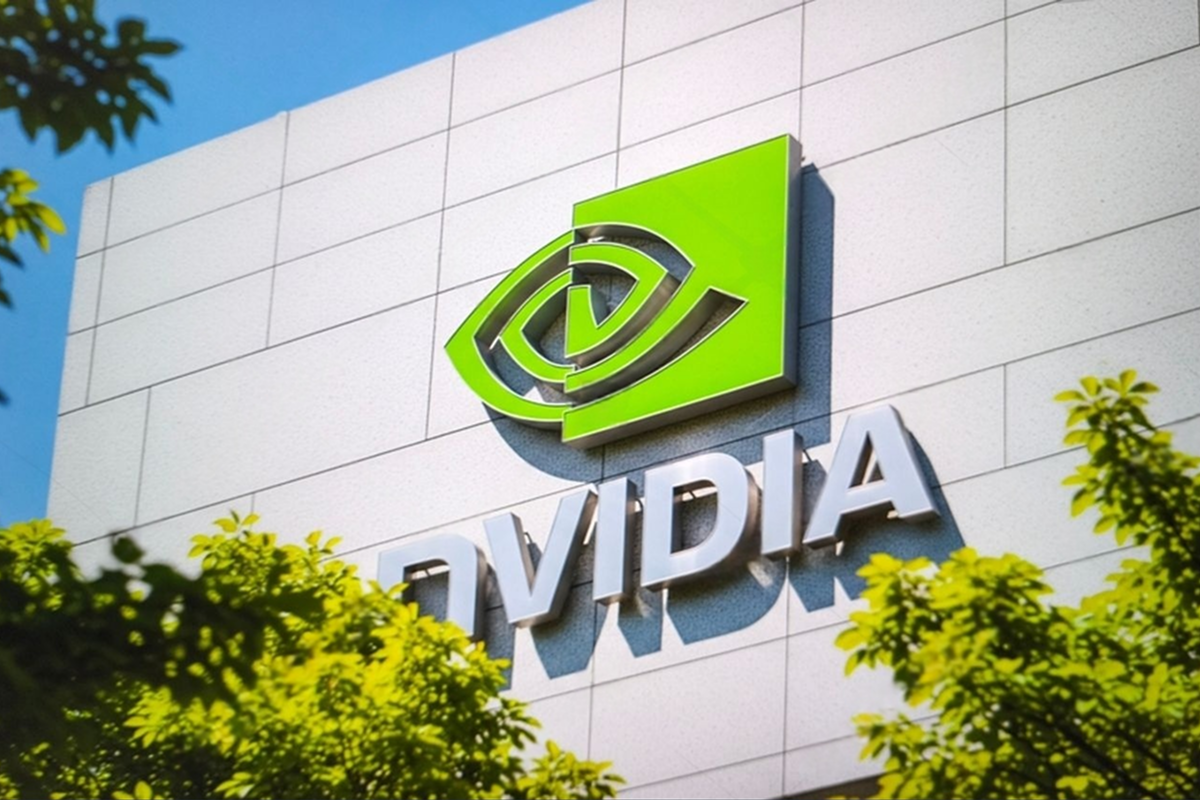
As artificial intelligence spending accelerates globally, NVIDIA (NVDA) continues to anchor the AI investment narrative. CNBC’s Jim Cramer recently stated that the company “invented its category,” underscoring a broader market view that NVIDIA did more than capitalize on AI—it architected the hardware backbone enabling the generative AI boom.
With AI infrastructure budgets expanding across hyperscalers, enterprises, and sovereign initiatives—including growing activity in Israel’s technology ecosystem—the question for investors is no longer whether NVIDIA leads, but whether its competitive moat remains sustainable at scale.
From Graphics Pioneer to AI Infrastructure Gatekeeper
Founded in 1993 as a graphics processing unit (GPU) designer, NVIDIA’s transformation into the dominant force in AI computing was not accidental. Its CUDA software platform, introduced in 2006, enabled developers to program GPUs for parallel workloads beyond gaming. This early ecosystem investment laid the groundwork for today’s AI training and inference dominance.
Data center revenue has surged in recent years, driven by demand for high-performance AI accelerators such as the H100 and subsequent architectures. Hyperscale cloud providers—including Amazon Web Services, Microsoft Azure, and Google Cloud—have integrated NVIDIA chips as the core of their AI offerings. Industry analysts estimate that NVIDIA commands a substantial share of the AI accelerator market, though exact percentages vary by methodology.
Cramer’s assertion that NVIDIA “invented the category” reflects the idea that AI computing is no longer a subset of semiconductors; it has evolved into a standalone segment with its own supply chains, capital expenditure cycles, and valuation framework.
Financial Momentum and Market Expectations
NVIDIA’s revenue growth has outpaced broader semiconductor benchmarks, with data center sales contributing the majority of total revenue in recent quarters. Gross margins have expanded significantly, reflecting pricing power and high demand for advanced AI chips.
However, elevated expectations are embedded in the stock’s valuation. Forward multiples remain above historical semiconductor averages, suggesting markets anticipate sustained AI spending growth. Any deceleration in enterprise AI budgets, inventory normalization among hyperscalers, or competitive advances from rivals such as AMD or custom silicon efforts by major cloud providers could test that thesis.
For Israeli institutional investors with exposure to U.S. technology leaders, NVIDIA represents both opportunity and concentration risk. Its weight in global indices and ETFs means its performance influences broader portfolio outcomes, particularly in growth-oriented allocations.
Strategic Implications: Ecosystem Lock-In and Competitive Pressures
The strength of NVIDIA’s ecosystem extends beyond hardware. Software libraries, developer tools, and AI frameworks reinforce switching costs. This integrated model resembles historical platform dominance seen in other technology cycles.
Yet competition is intensifying. Semiconductor rivals are accelerating AI chip roadmaps, while major cloud operators are investing in proprietary silicon to reduce dependency. Regulatory scrutiny over export controls—particularly U.S.-China technology restrictions—adds another variable that could affect revenue distribution geographically.
Still, global AI adoption remains in early stages. Governments, financial institutions, healthcare providers, and defense agencies are increasing AI integration. Israel’s strong startup ecosystem and defense-tech sector, for instance, rely heavily on advanced compute capabilities—areas where NVIDIA hardware plays a foundational role.
Looking ahead, investors will monitor AI capital expenditure trends, competitive chip innovation, regulatory developments, and margin sustainability. The durability of NVIDIA’s category leadership will depend not only on technological superiority but also on supply chain resilience and ecosystem depth. If AI spending continues its structural ascent, NVIDIA’s position as the architect of modern AI computing may remain intact. If growth normalizes, valuation sensitivity could increase, amplifying volatility across global technology markets.
Comparison, examination, and analysis between investment houses
Leave your details, and an expert from our team will get back to you as soon as possible
* This article, in whole or in part, does not contain any promise of investment returns, nor does it constitute professional advice to make investments in any particular field.
To read more about the full disclaimer, click here
- orshu
- •
- 7 Min Read
- •
- ago 2 minutes
SKN | Apple a “Free Rider” in the AI Rally? What Jim Cramer’s Remark Signals for AAPL Investors
As artificial intelligence continues to dominate equity narratives, CNBC’s Jim Cramer recently referred to Apple (AAPL) as a “free
- ago 2 minutes
- •
- 7 Min Read

As artificial intelligence continues to dominate equity narratives, CNBC’s Jim Cramer recently referred to Apple (AAPL) as a “free

- Ronny Mor
- •
- 7 Min Read
- •
- ago 59 minutes
SKN | Forget Tariffs: Why Earnings Quality May Be Wall Street’s Real Risk in 2026
While tariff headlines and geopolitical tensions continue to dominate market narratives, a more subtle risk may be emerging beneath
- ago 59 minutes
- •
- 7 Min Read

While tariff headlines and geopolitical tensions continue to dominate market narratives, a more subtle risk may be emerging beneath

- sagi habasov
- •
- 6 Min Read
- •
- ago 2 hours
SKN | Baidu Integrates OpenClaw Into Search App Ahead of Lunar New Year, Escalating China’s AI Race
Baidu has integrated OpenClaw, an advanced AI capability, into its core search application ahead of Lunar New Year, positioning
- ago 2 hours
- •
- 6 Min Read
Baidu has integrated OpenClaw, an advanced AI capability, into its core search application ahead of Lunar New Year, positioning
- Ronny Mor
- •
- 6 Min Read
- •
- ago 20 hours
SKN | Where Could SanDisk Trade by End-2026? A Scenario Analysis for a Cyclical Memory Rebound
SanDisk’s stock trajectory into the end of 2026 will likely hinge on the direction of the global memory cycle
- ago 20 hours
- •
- 6 Min Read

SanDisk’s stock trajectory into the end of 2026 will likely hinge on the direction of the global memory cycle

