




- sagi habasov
- •
- 8 Min Read
- •
- 17 hours ago


Key Points
- Nvidia has taken a minority stake in Cloverleaf Infrastructure, extending its role beyond chips and into the power infrastructure needed for AI data centers.
- Cloverleaf has sold more than 7 gigawatts of powered projects and has a pipeline exceeding 10 gigawatts, according to reporting surrounding the transaction.
- The move highlights electricity availability as an increasingly important bottleneck for the expansion of AI computing capacity in the United States.
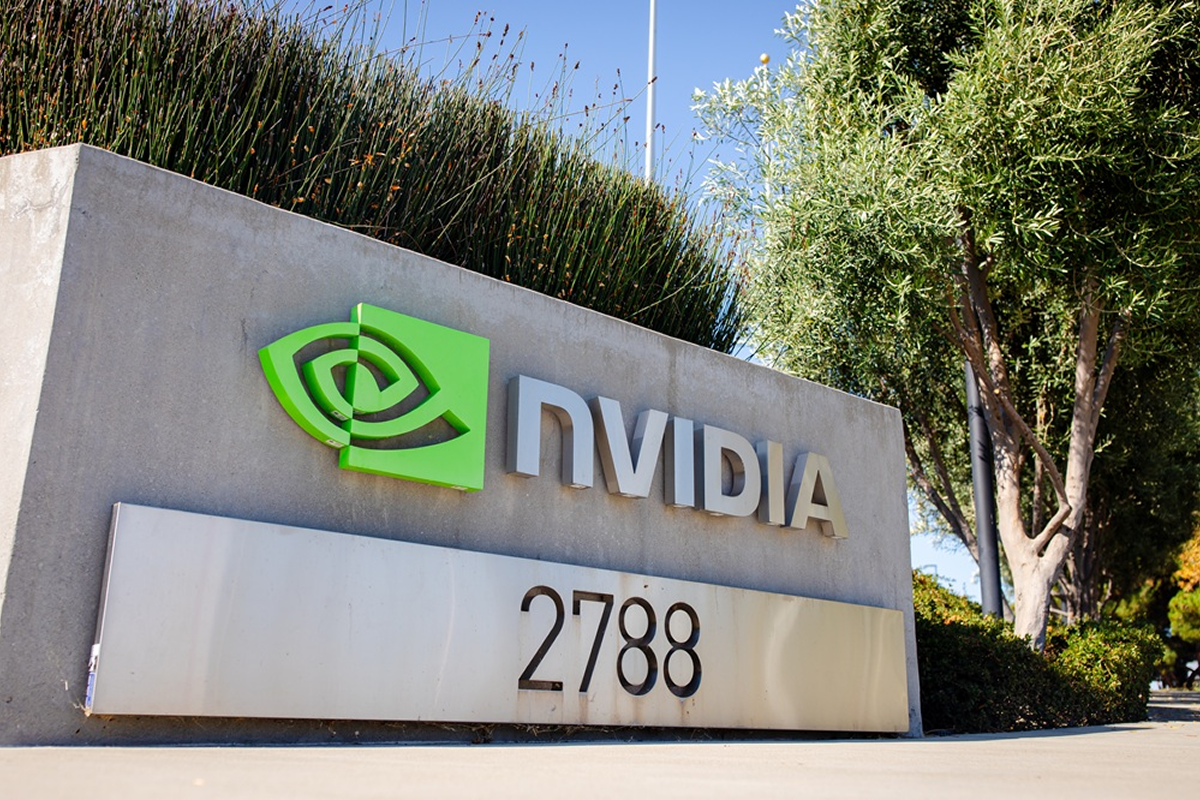
Nvidia is expanding its position across the artificial-intelligence infrastructure chain with a strategic investment in Cloverleaf Infrastructure, a privately held developer focused on securing power and preparing sites for large-scale data centers. The partnership illustrates how the AI buildout is increasingly moving beyond GPUs and computing equipment toward the availability of electricity, grid connections and development-ready land.
Nvidia Moves Further Upstream Into AI Infrastructure
The transaction marks another step in Nvidia’s strategy to support the infrastructure required to deploy its accelerated-computing technology. The Wall Street Journal had reported that Nvidia was in advanced discussions to invest several hundred million dollars in Cloverleaf, although the exact financial terms were initially unavailable. Cloverleaf subsequently confirmed that Nvidia had made a minority investment as part of a broader strategic partnership focused on accelerating U.S. digital infrastructure development.
Cloverleaf specializes in what has become an increasingly valuable part of the data-center development process: securing power before facilities are built. The company works with utilities, developers and infrastructure partners to assemble sites with access to reliable electricity, transmission capacity and other infrastructure required by energy-intensive computing operations.
For Nvidia, the strategic rationale is straightforward. Demand for AI computing capacity can only translate into additional GPU deployments if data centers can obtain sufficient power and reach the grid within commercially viable timeframes. By participating earlier in the development cycle, Nvidia can gain greater visibility into where future computing capacity is likely to emerge.
Powered Land Becomes a Critical AI Asset
Cloverleaf’s development pipeline illustrates the scale of the infrastructure opportunity. The company has reportedly sold projects representing more than 7 gigawatts of powered land to data-center developers, including projects in Wisconsin associated with Oracle and OpenAI, while its broader pipeline exceeds 10 gigawatts.
The importance of these projects reflects a broader constraint facing the AI industry. Semiconductor supply and computing capacity have historically received much of the attention, but increasingly large AI facilities require enormous amounts of electricity. Grid interconnection queues, transmission construction, permitting and local infrastructure can therefore determine how quickly a planned data center can become operational.
Cloverleaf’s business model is designed around addressing that constraint by securing power agreements and preparing development sites ahead of construction. Its existing projects include large-scale opportunities designed around significant electricity availability, demonstrating how power access is becoming a strategic component of AI infrastructure rather than simply an operating expense.
Nvidia’s Broader Infrastructure Strategy
The Cloverleaf investment is not an isolated move. Nvidia has increasingly participated in projects positioned further upstream in the AI infrastructure ecosystem. Earlier in 2026, the company invested $2 billion in Lancium, a power developer supporting a Texas data-center campus where OpenAI rents computing capacity from Oracle. Nvidia initially acquired a 20% stake in Lancium, with the potential for its ownership to increase following an additional investment.
Nvidia has also taken an equity position in SoftBank’s SB Energy connected to a major Ohio data-center campus leased by OpenAI, further demonstrating the company’s interest in infrastructure capacity that can ultimately support demand for its computing systems. The strategy effectively links Nvidia’s hardware business with the physical assets required to deploy that hardware at scale.
For Nvidia, the approach could provide greater visibility into future AI infrastructure demand while strengthening relationships with developers, utilities and major technology customers. However, infrastructure development carries its own risks, including permitting delays, grid constraints, rising construction costs and changes in data-center demand. The economics of individual projects can also shift materially if power availability or customer commitments change.
Looking ahead, the market will be watching how Nvidia’s partnership with Cloverleaf develops and whether additional investments in power, land and data-center infrastructure become part of the company’s broader capital strategy. The transaction also reinforces a wider shift in AI economics: as demand for computing continues to expand, access to electricity and grid capacity may become as strategically important as the availability of advanced chips. For investors assessing the next phase of the AI infrastructure cycle, the development of powered sites, utility partnerships and large-scale data-center commitments will therefore remain important indicators of where future computing capacity can actually be deployed.
Comparison, examination, and analysis between investment houses
Leave your details, and an expert from our team will get back to you as soon as possible
* This article, in whole or in part, does not contain any promise of investment returns, nor does it constitute professional advice to make investments in any particular field.
To read more about the full disclaimer, click here
- Ronny Mor
- •
- 7 Min Read
- •
- ago 15 hours
SKN | OpenAI Cuts GPT-5.6 Sol Pricing as AI Competition Intensifies
OpenAI is cutting the price of its flagship GPT-5.6 Sol model by more than 20% for the next three
- ago 15 hours
- •
- 7 Min Read

OpenAI is cutting the price of its flagship GPT-5.6 Sol model by more than 20% for the next three

- orshu
- •
- 6 Min Read
- •
- ago 15 hours
SKN | Apple Cuts More Than 200 Roles as Siri and Vision Pro Strategy Shifts Toward AI and Next-Generation Devices
Apple is restructuring parts of its technology organization, eliminating more than 200 positions across teams responsible for Siri, Vision
- ago 15 hours
- •
- 6 Min Read

Apple is restructuring parts of its technology organization, eliminating more than 200 positions across teams responsible for Siri, Vision
- Ronny Mor
- •
- 7 Min Read
- •
- ago 17 hours
SKN | DeepSeek Unveils Experimental Vision Model to Challenge Anthropic’s Opus 4.8
DeepSeek has introduced an experimental multimodal model that expands its V4-Flash platform into visual reasoning and agent-based applications, placing
- ago 17 hours
- •
- 7 Min Read
DeepSeek has introduced an experimental multimodal model that expands its V4-Flash platform into visual reasoning and agent-based applications, placing
- Ronny Mor
- •
- 6 Min Read
- •
- ago 17 hours
SKN | YMTC Parent Targets $4.9 Billion Shanghai IPO as AI Demand Drives Memory-Chip Turnaround
CCSH Corporation, the parent of Chinese flash-memory chipmaker Yangtze Memory Technologies Co. (YMTC), is moving toward a major Shanghai
- ago 17 hours
- •
- 6 Min Read

CCSH Corporation, the parent of Chinese flash-memory chipmaker Yangtze Memory Technologies Co. (YMTC), is moving toward a major Shanghai
