


- omer bar
- •
- 6 Min Read
- •
- 21 minutes ago
Key Points
- The U.S. has no immediate plan to release oil from the Strategic Petroleum Reserve despite rising crude prices.
- The SPR currently holds about 415 million barrels, just over half its capacity.
- A prolonged disruption in the Strait of Hormuz could overwhelm coordinated emergency supplies.
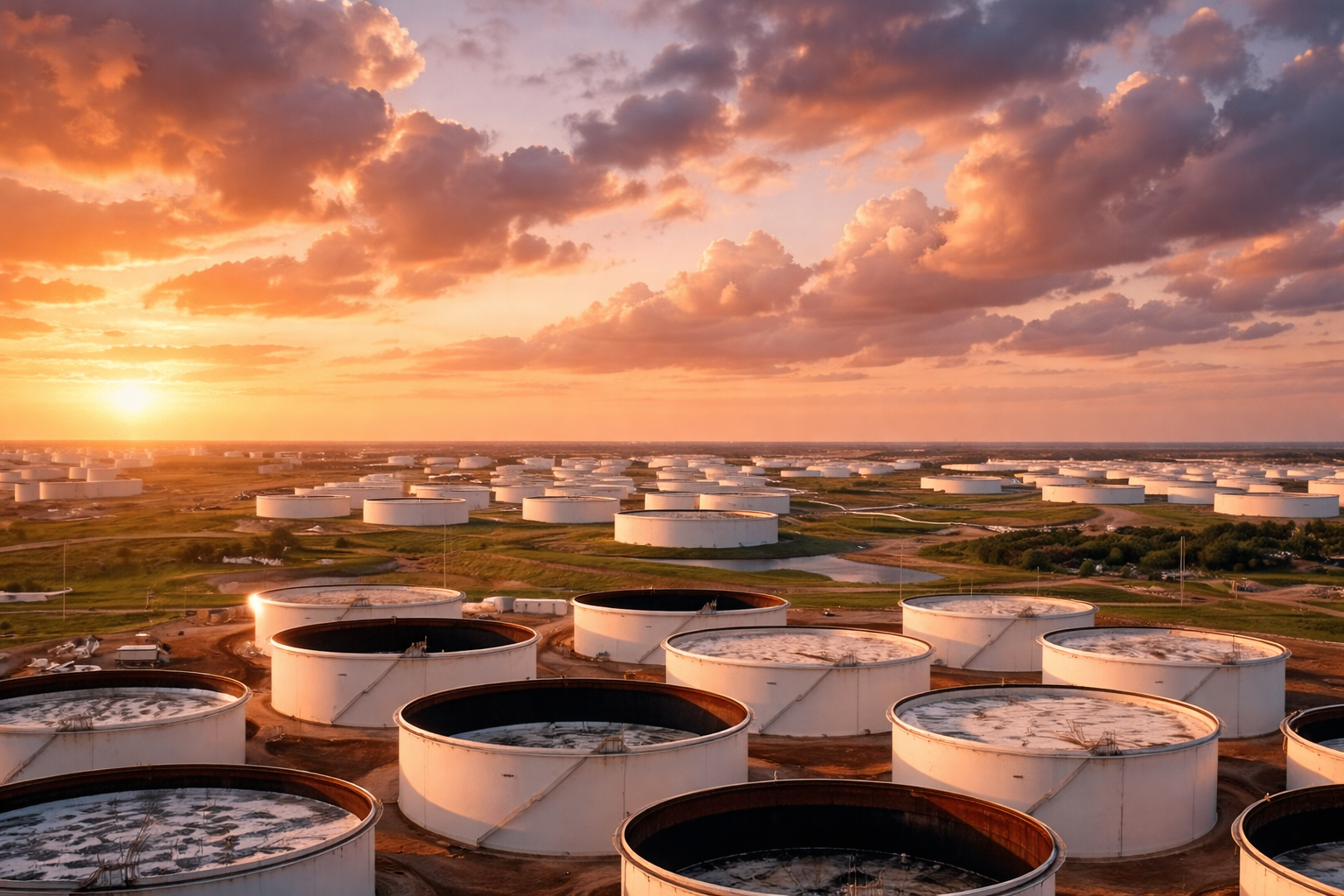
The Trump administration has opted against an immediate release of crude from the Strategic Petroleum Reserve (SPR), even as oil and gasoline prices surge in response to escalating tensions with Iran. The decision signals confidence — at least for now — that market forces and allied coordination can prevent a full-scale supply shock.
The SPR currently holds approximately 415 million barrels, slightly more than half of its roughly 700 million-barrel capacity. While a release could temporarily cool price spikes, officials appear reluctant to deploy the tool preemptively without clearer signs of sustained supply disruption.
Balancing Market Signaling and Supply Risk
Tapping the SPR is not merely a mechanical decision; it is a market signal. Historically, emergency releases have aimed to calm volatility during geopolitical crises, including the record 180 million-barrel drawdown in 2022 following Russia’s invasion of Ukraine.
However, premature intervention risks depleting strategic buffers if a deeper crisis unfolds. Analysts warn that a “full-on crisis” involving the Strait of Hormuz — through which roughly one-fifth of global oil flows — could overwhelm coordinated emergency reserves held by the U.S. and International Energy Agency (IEA) member states.
In that scenario, supply disruptions would likely outpace temporary inventory injections, potentially pushing Brent crude well beyond recent highs and embedding renewed inflationary pressure globally.
Strategic Petroleum Reserve at a Crossroads
The SPR was created in the aftermath of the 1970s Arab oil embargo to safeguard against severe supply interruptions. Following substantial drawdowns under the previous administration, President Trump has pledged to rebuild the reserve to strengthen long-term energy security.
Releasing oil now could conflict with that objective. With inventories still materially below historical peaks, policymakers must weigh short-term price relief against long-term strategic positioning.
Moreover, global oil markets today are structurally tighter than in prior decades. Spare production capacity is concentrated among a small group of producers, and logistical bottlenecks — especially in the Gulf — add complexity to rapid supply adjustments.
Market Implications and Inflation Watch
Crude prices have climbed sharply in recent sessions, lifting retail gasoline costs and raising concerns about broader inflation pass-through effects. Energy is a direct input into transportation, manufacturing, and consumer goods, meaning sustained price increases could complicate Federal Reserve policy deliberations.
Investors are closely monitoring whether the administration shifts from rhetorical readiness to actionable intervention. Statements from officials suggest contingency planning is underway, but no immediate deployment is expected unless conditions deteriorate materially.
The coming weeks will likely hinge on developments in the Strait of Hormuz and the durability of supply chains across the Middle East. A contained conflict may allow markets to stabilize without emergency releases. A prolonged disruption, however, could force policymakers to reconsider their restraint.
Comparison, examination, and analysis between investment houses
Leave your details, and an expert from our team will get back to you as soon as possible
* This article, in whole or in part, does not contain any promise of investment returns, nor does it constitute professional advice to make investments in any particular field.
To read more about the full disclaimer, click here
- Lior mor
- •
- 6 Min Read
- •
- ago 5 hours
SKN | Gold Extends Rally to Fifth Day as Middle East Escalation Fuels Safe-Haven Demand
Gold advanced to approximately $5,360 per ounce on Tuesday, extending its rally to a fifth consecutive session as intensifying geopolitical
- ago 5 hours
- •
- 6 Min Read

Gold advanced to approximately $5,360 per ounce on Tuesday, extending its rally to a fifth consecutive session as intensifying geopolitical
- Lior mor
- •
- 6 Min Read
- •
- ago 10 hours
SKN | Coal Surges 8% After Qatar LNG Shutdown: Is Fuel Switching Reshaping Energy Markets?
Coal prices surged more than 8% to $128.70 per ton, marking their highest level in over a year, after an
- ago 10 hours
- •
- 6 Min Read

Coal prices surged more than 8% to $128.70 per ton, marking their highest level in over a year, after an

- omer bar
- •
- 7 Min Read
- •
- ago 18 hours
SKN | Aluminum Climbs to Multi-Month High as Iran Conflict Threatens Middle East Supply Routes
Aluminum prices advanced to their highest level since January as escalating conflict involving Iran raised fears that key shipping routes
- ago 18 hours
- •
- 7 Min Read

Aluminum prices advanced to their highest level since January as escalating conflict involving Iran raised fears that key shipping routes
- omer bar
- •
- 7 Min Read
- •
- ago 22 hours
SKN | Is Gold Still a Strategic Portfolio Allocation After Its Historic Surge?
Gold’s dramatic rise over the past decade has reignited a fundamental portfolio question: does gold still deserve a strategic allocation,
- ago 22 hours
- •
- 7 Min Read

Gold’s dramatic rise over the past decade has reignited a fundamental portfolio question: does gold still deserve a strategic allocation,

