


- omer bar
- •
- 6 Min Read
- •
- 2 months ago
Key Points
- The Nikkei 225 reached a significant milestone, closing at 51,939.89 with a 1.61% daily gain, marking one of the strongest starts to a trading year in decades.
- Strong corporate earnings, specifically from heavyweights like Fast Retailing, and a robust fiscal budget have offset concerns regarding potential Bank of Japan interest rate hikes.
- The market's resilience comes despite global geopolitical volatility and a strengthening US Dollar, as domestic demand and structural reforms continue to attract foreign capital.
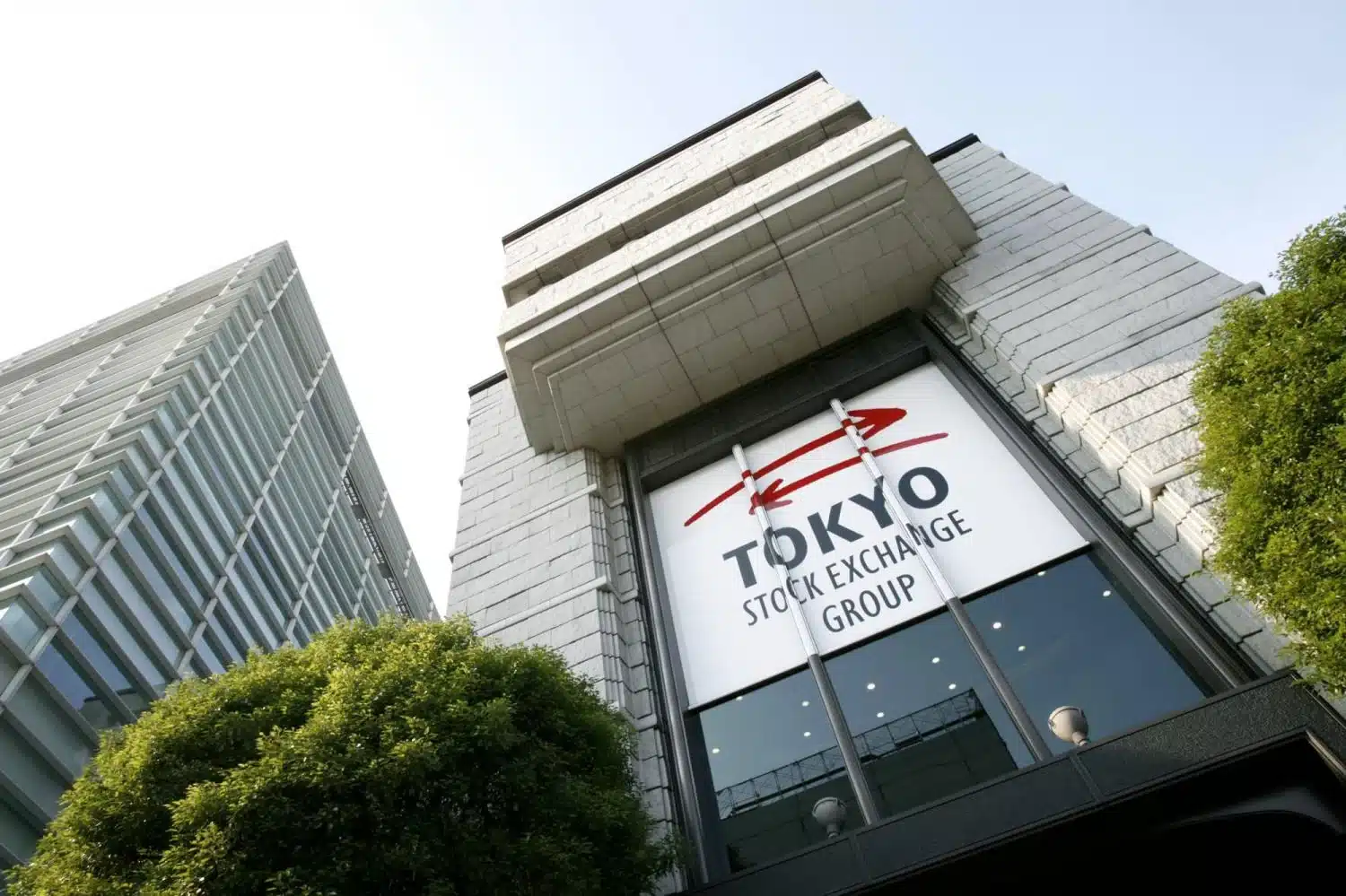
The Japanese equity market has entered 2026 with unprecedented momentum, as the Nikkei 225 index decisively cleared the 51,000 mark to finish the first full week of the year at record levels. This rally reflects a profound shift in investor sentiment, framing Japan not merely as a “value play” but as a leading destination for growth-oriented capital within the global macro environment.
Corporate Resilience and the Uniqlo Effect
The primary catalyst for the week’s climax was a stellar performance in the retail and technology sectors. Fast Retailing, the parent company of Uniqlo, saw its shares surge by over 10% after raising its full-year profit forecast following exceptional sales in Western markets. This corporate strength was mirrored across the board, with Tokyo Electron and Toyota Motor also posting significant gains. For sophisticated investors, these figures suggest that Japanese blue-chip companies have successfully navigated inflationary pressures and are now harvesting the benefits of global brand expansion and operational efficiency.
Fiscal Expansion vs. Monetary Normalization
The market’s upward trajectory is also deeply rooted in the Takaichi administration’s fiscal strategy. The government recently approved a record ¥122.3 trillion budget for fiscal 2026, signaling a commitment to growth through heavy investment in high-tech sectors and defense. While the Bank of Japan (BoJ) is increasingly expected to raise its policy rate toward 0.75% to combat cost-push inflation, the equity market appears to be viewing this normalization as a sign of economic health rather than a threat to liquidity. The ability of the Nikkei to gain 3.18% YTD in just one week suggests that the era of deflation is firmly in the rearview mirror.
Geopolitical Context and the Israeli Investor Perspective
On the global stage, Japanese assets are serving as a vital diversifier. While Wall Street experienced a rotation out of mega-cap tech and European markets grappled with energy uncertainties, Tokyo stood out as a beacon of stability. For investors in Israel and abroad, the Nikkei’s low correlation with Middle Eastern volatility and its exposure to the AI and semiconductor supply chain make it an essential component of a resilient portfolio. The easing of trade friction with China regarding dual-use items further provided a “risk-on” signal that helped the index snap a brief mid-week decline.
As we look toward the remainder of the first quarter, the focus will shift to the Bank of Japan’s policy meeting on January 23. The key risk remains a rapid appreciation of the Yen, which could squeeze exporters if the interest rate differential with the US narrows too quickly. However, the outlook remains predominantly positive; if corporate earnings continue to beat expectations and the domestic wage-inflation cycle solidifies, the Nikkei 225 is well-positioned to test the 55,000 level. Investors should closely monitor January 19 for global trade policy updates, as any resolution in international tariff disputes could provide the next leg of fuel for this historic Japanese rally.
Comparison, examination, and analysis between investment houses
Leave your details, and an expert from our team will get back to you as soon as possible
* This article, in whole or in part, does not contain any promise of investment returns, nor does it constitute professional advice to make investments in any particular field.
To read more about the full disclaimer, click here
- orshu
- •
- 6 Min Read
- •
- ago 2 hours
SKN | US Markets Close Mixed on March 11, 2026 as Dollar Strength Pressures Blue Chips
U.S. equity markets closed mixed on Wednesday, March 11, 2026, as investors navigated a stronger U.S. dollar and lingering volatility.
- ago 2 hours
- •
- 6 Min Read

U.S. equity markets closed mixed on Wednesday, March 11, 2026, as investors navigated a stronger U.S. dollar and lingering volatility.

- Ronny Mor
- •
- 7 Min Read
- •
- ago 2 hours
SKN | Gold Slips as Traders Monitor Oil and Dollar Movements Amid Escalating Geopolitical Tensions
Global gold markets showed modest weakness as traders balanced competing forces from oil prices, currency movements, and geopolitical developments
- ago 2 hours
- •
- 7 Min Read

Global gold markets showed modest weakness as traders balanced competing forces from oil prices, currency movements, and geopolitical developments
- orshu
- •
- 6 Min Read
- •
- ago 7 hours
SKN | European Stocks Retreat as DAX Slides 1.55% and Regional Indices Close Lower on March 11
European equity markets ended the March 11 trading session in negative territory, with most major indices closing lower as
- ago 7 hours
- •
- 6 Min Read

European equity markets ended the March 11 trading session in negative territory, with most major indices closing lower as
- orshu
- •
- 7 Min Read
- •
- ago 7 hours
SKN | Israel Market Close – March 11, 2026: Large Caps Rebound Slightly While Mid-Caps Continue to Slide
Israeli financial markets closed on March 11, 2026 with mixed performance as large-cap stocks posted a modest rebound while mid-cap
- ago 7 hours
- •
- 7 Min Read

Israeli financial markets closed on March 11, 2026 with mixed performance as large-cap stocks posted a modest rebound while mid-cap

