





- sagi habasov
- •
- 6 Min Read
- •
- 13 hours ago
Key Points
- The Trump administration introduced new tariffs affecting approximately 60 countries, increasing uncertainty across global trade markets.
- Businesses and investors are assessing the potential impact on supply chains, inflation, consumer prices, and international economic growth.
- Markets are monitoring possible responses from affected countries and the broader implications for global investment flows.
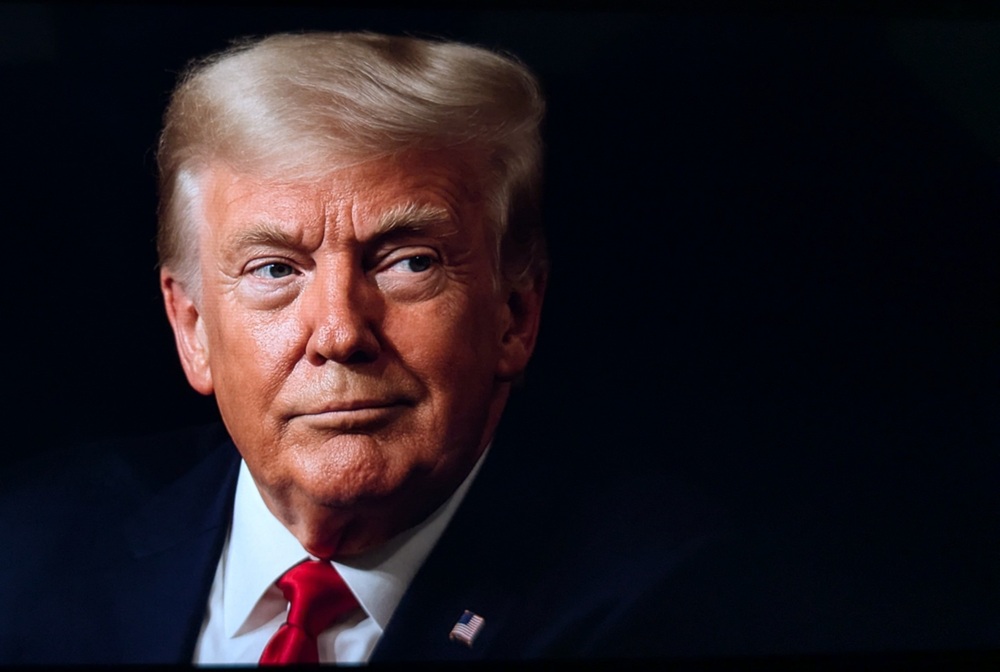
The Trump administration’s introduction of new tariffs on dozens of countries has intensified focus on global trade relations and economic policy. The measures, affecting around 60 trading partners, are expected to influence supply chains, business costs, and inflation expectations as companies assess the potential impact on international commerce.
New Tariffs Increase Pressure on Global Trade Environment
The latest tariff measures represent another major shift in U.S. trade policy, as the administration seeks to reshape international economic relationships and encourage domestic production. Tariffs increase the cost of imported goods by imposing additional charges on products entering the U.S. market, potentially affecting companies that rely on global supply networks.
Businesses across industries are evaluating how the new trade measures could influence sourcing decisions, production strategies, and operating costs. Companies with complex international supply chains may face additional challenges as they determine whether to absorb higher expenses, adjust pricing, or relocate parts of their manufacturing operations.
The impact of tariffs often extends beyond direct trade relationships. Higher import costs can influence inflation trends, corporate profit margins, and consumer prices, creating broader economic implications for both businesses and households.
Markets Assess Inflation Risks and Economic Impact
Financial markets are closely monitoring the potential consequences of the tariff announcements, particularly regarding inflation expectations and global economic growth. Trade restrictions can create uncertainty for investors because they affect business planning, investment decisions, and international economic activity.
Central banks may also pay attention to the impact of tariffs on inflation. If increased import costs contribute to higher prices, policymakers could face additional challenges in balancing economic growth with price stability.
At the same time, some industries may benefit from policies designed to encourage domestic manufacturing and reduce dependence on foreign suppliers. Sectors such as industrial production, technology, and strategic manufacturing could experience changes in investment patterns as companies adapt to the new trade environment.
Implications for Global and Israeli Investors
The new tariffs highlight broader changes in global economic policy, where trade relationships and supply chain resilience have become increasingly important factors for investors. Companies operating internationally may need to reassess production strategies, supplier relationships, and cost structures.
For investors in Israel, developments in U.S. trade policy are relevant because the Israeli economy is closely connected to global markets, technology exports, and international supply chains. Changes in tariffs and trade conditions may influence companies involved in technology, manufacturing, defense, and export-oriented industries.
Israeli investors are also monitoring how global trade tensions affect currencies, inflation expectations, and equity markets. Increased uncertainty in international commerce can influence investor sentiment and capital allocation decisions.
Looking ahead, investors will focus on potential responses from affected countries, negotiations between trading partners, changes in corporate strategies, and economic data showing the impact of the tariffs. The key issue for markets will be whether the measures lead to a broader restructuring of global trade or create prolonged uncertainty for businesses and consumers.
Comparison, examination, and analysis between investment houses
Leave your details, and an expert from our team will get back to you as soon as possible
* This article, in whole or in part, does not contain any promise of investment returns, nor does it constitute professional advice to make investments in any particular field.
To read more about the full disclaimer, click here
- orshu
- •
- 7 Min Read
- •
- ago 3 minutes
SKN | Gold Advances as Investors Balance Geopolitical Risks, Oil Prices, and Fed Rate Expectations
Gold prices strengthened on Friday as investors sought protection against geopolitical uncertainty while evaluating the potential impact of energy
- ago 3 minutes
- •
- 7 Min Read

Gold prices strengthened on Friday as investors sought protection against geopolitical uncertainty while evaluating the potential impact of energy

- omer bar
- •
- 6 Min Read
- •
- ago 11 minutes
SKN | Could Rising Diesel Prices Reignite Inflation? Transportation Costs Surge 10% in Less Than a Month
A sharp rise in U.S. diesel prices is drawing renewed attention from investors, economists, and policymakers as transportation costs begin
- ago 11 minutes
- •
- 6 Min Read

A sharp rise in U.S. diesel prices is drawing renewed attention from investors, economists, and policymakers as transportation costs begin

- Ronny Mor
- •
- 6 Min Read
- •
- ago 12 hours
SKN | Japan’s Core Inflation Slows to 1.6% in June as Markets Assess Economic Outlook
Japan’s core inflation rate rose 1.6% year-over-year in June, providing investors with new insight into the country’s price environment and
- ago 12 hours
- •
- 6 Min Read

Japan’s core inflation rate rose 1.6% year-over-year in June, providing investors with new insight into the country’s price environment and
- omer bar
- •
- 6 Min Read
- •
- ago 19 hours
SKN | UK Consumer Confidence Strengthens as Burnham’s Political Rise Shapes Economic Expectations
Consumer confidence in the United Kingdom has shown signs of improvement as political developments surrounding Andy Burnham’s expected move toward
- ago 19 hours
- •
- 6 Min Read

Consumer confidence in the United Kingdom has shown signs of improvement as political developments surrounding Andy Burnham’s expected move toward


