


- Lior mor
- •
- 6 Min Read
- •
- 41 minutes ago
Key Points
- AI Sector Volatility: Concerns over artificial intelligence ROI and "disruption risks" sparked a sharp mid-week sell-off, heavily impacting software and logistics stocks.
- Macro Headwinds: A stronger-than-expected jobs report dampened hopes for an early Federal Reserve rate cut, pushing expectations out to June.
- Technical Support Tested: The index retreated from Monday’s highs of ~23,238 to close the week at 22,546.67, finding tentative support near the 22,500 level.
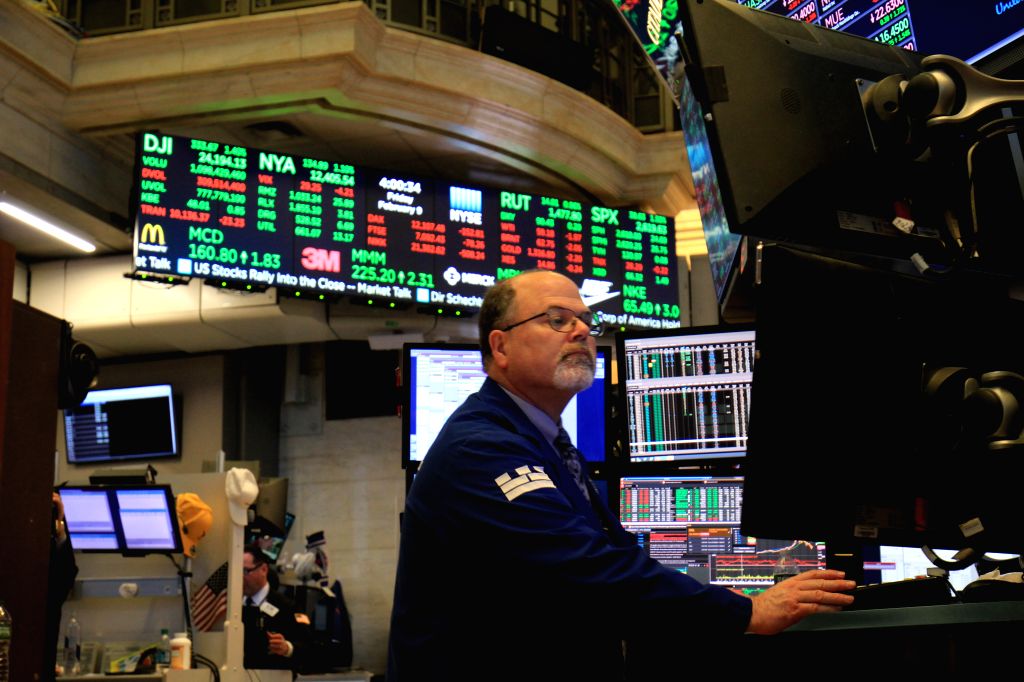
The NASDAQ Composite snapped its recent winning streak this week, shedding roughly 2.10% over the last five trading sessions to close at 22,546.67. Investors were forced to navigate a “double whammy” of bearish catalysts: renewed skepticism regarding the profitability of heavy AI capital expenditures and robust economic data that suggests interest rates may remain higher for longer.
The AI ‘Reality Check’
The primary driver of the week’s volatility was a sharp reassessment of valuations within the artificial intelligence sector. While the week began with optimism, sentiment soured by Thursday as “AI disruption” fears took center stage. Notable heavyweights like Cisco Systems and AppLovin saw significant declines, dragging down the broader tech index. Investors appear to be rotating out of high-growth software names amid concerns that the massive capital pouring into AI infrastructure has yet to yield proportional returns in productivity or profit margins. This sentiment rippled through to unexpected sectors, with logistics and transportation stocks also taking a hit on fears of AI-driven displacement.
Macro Data Complicates the Fed’s Path
Beyond sector-specific woes, the macroeconomic picture added pressure on valuations. Wednesday’s labor market data came in surprisingly hot, with nonfarm payrolls adding 130,000 jobs—more than double the consensus forecast of 53,000. While a resilient economy is generally positive, in the current inflationary context, it undermines the case for imminent monetary easing. Market participants, who had been pricing in a potential rate cut this spring, are now recalibrating their expectations for June 2026 at the earliest. This “higher-for-longer” rate environment is particularly punishing for the growth-oriented constituents of the NASDAQ.
Technical Outlook & Israeli Context
Technically, the index suffered significant damage, falling from a weekly high of roughly 23,238 to test the 22,500 support zone. The ability of buyers to defend this level heading into next week will be critical. For Israeli investors, this correction is particularly relevant; the high correlation between the NASDAQ and the Tel Aviv Stock Exchange’s dual-listed technology giants means local portfolios likely faced similar headwinds. The weakness in US chip and software names often serves as a leading indicator for sentiment in the local high-tech ecosystem.
Looking ahead, investors should brace for continued volatility as the market digests the implications of the delayed rate cut timeline. The focus will shift to next week’s CPI inflation data, which could either validate the Fed’s hawkish stance or provide relief to battered tech valuations. Traders should monitor the 22,400 level as a key downside risk; a breach there could signal a deeper correction, while a reclaim of 22,800 is needed to restore bullish momentum.
Comparison, examination, and analysis between investment houses
Leave your details, and an expert from our team will get back to you as soon as possible
* This article, in whole or in part, does not contain any promise of investment returns, nor does it constitute professional advice to make investments in any particular field.
To read more about the full disclaimer, click here
- omer bar
- •
- 5 Min Read
- •
- ago 2 minutes
SKN | DAX Resiliency: Can German Equities Hold Ground as Global Volatility Spikes?
The DAX Performance Index navigated a turbulent trading week, ultimately closing at 24,914.88, up 0.25% on the final session.
- ago 2 minutes
- •
- 5 Min Read

The DAX Performance Index navigated a turbulent trading week, ultimately closing at 24,914.88, up 0.25% on the final session.

- Arik Arkadi Sluzki
- •
- 6 Min Read
- •
- ago 1 hour
SKN | Russell 2000 Rebounds: Is the Small-Cap Sector Signaling a Return to Risk-On Sentiment?
The US small-cap sector ended a turbulent trading week on a high note, with the Russell 2000 posting a significant
- ago 1 hour
- •
- 6 Min Read
The US small-cap sector ended a turbulent trading week on a high note, with the Russell 2000 posting a significant

- sagi habasov
- •
- 6 Min Read
- •
- ago 2 hours
SKN | S&P 500 Stalls Below 7,000: Is the Market Catching Its Breath or Signaling a Reversal?
The US equity markets wrapped up a turbulent trading week with the S&P 500 (^GSPC) finding a floor near
- ago 2 hours
- •
- 6 Min Read

The US equity markets wrapped up a turbulent trading week with the S&P 500 (^GSPC) finding a floor near

- orshu
- •
- 7 Min Read
- •
- ago 3 hours
SKN | Dow Retreats from Historic 50k: Is the Post-milestone Hangover Here to Stay?
Global markets paused for breath this week as the euphoria surrounding the Dow Jones Industrial Average's recent breach of the
- ago 3 hours
- •
- 7 Min Read

Global markets paused for breath this week as the euphoria surrounding the Dow Jones Industrial Average's recent breach of the

