





- Lior mor
- •
- 8 Min Read
- •
- 1 hour ago
Key Points
- Micron shares have surged nearly 700% over the past year, fueled by booming demand for AI memory chips and a supply-constrained semiconductor market.
- Despite the sharp rally, the stock trades at a forward price-to-earnings ratio below six times fiscal 2027 estimates, reflecting investor concerns about the industry's historically cyclical nature.
- Strong demand for high-bandwidth memory (HBM), limited manufacturing capacity, and long-term AI infrastructure investments are supporting the view that the current memory cycle could prove more durable than previous ones.
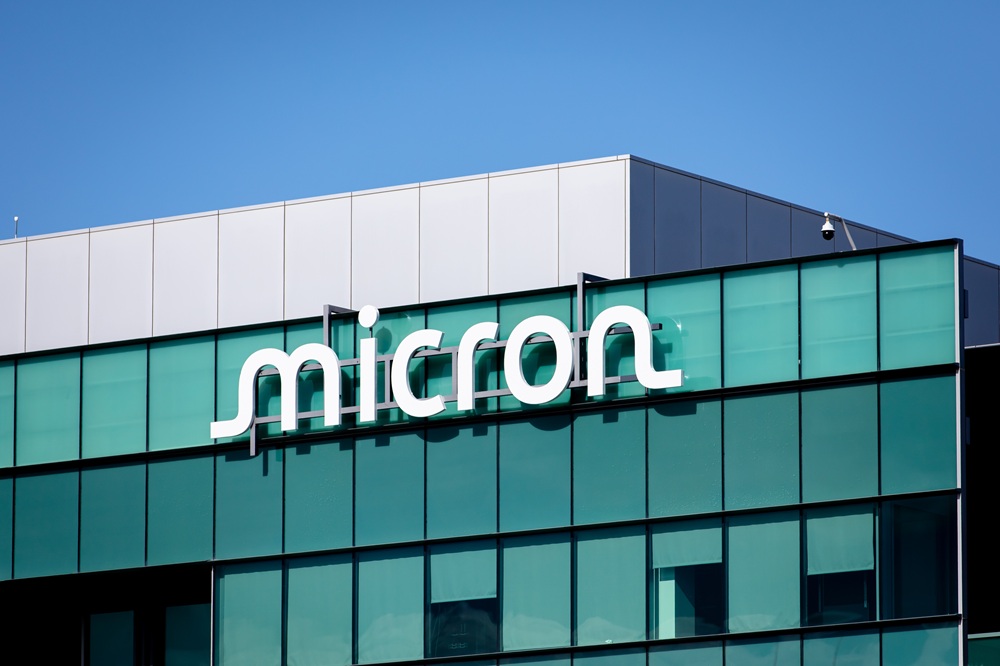
Micron Technology (NASDAQ: MU) has emerged as one of the strongest performers in the semiconductor sector, with shares climbing nearly 700% over the past year as artificial intelligence infrastructure spending continues to accelerate.
Despite the remarkable stock performance, Micron trades at a forward price-to-earnings (P/E) ratio below six times analysts’ fiscal 2027 earnings estimates, highlighting a disconnect between its earnings outlook and market valuation.
The unusually low valuation reflects investors’ long-standing caution toward the memory semiconductor industry, which has historically experienced pronounced boom-and-bust cycles. However, many analysts believe today’s AI-driven demand environment differs significantly from previous cycles.
AI Infrastructure Driving Unprecedented Memory Demand
Micron is benefiting directly from the rapid expansion of artificial intelligence data centers, which require substantially greater amounts of high-performance memory than traditional computing infrastructure.
Approximately 75% of Micron’s revenue comes from dynamic random-access memory (DRAM), while the remaining 25% is generated by NAND flash memory products.
Within the DRAM market, demand has been particularly strong for high-bandwidth memory (HBM), a specialized memory technology integrated with advanced AI accelerators and graphics processing units (GPUs). HBM enables faster data transfer, lower latency, and improved power efficiency for large-scale AI workloads.
As cloud providers and hyperscale technology companies continue investing heavily in AI infrastructure, demand for HBM has significantly outpaced available supply.
Supply Constraints Support Pricing Power
Unlike previous memory cycles that were largely driven by fluctuations in consumer electronics demand, today’s market is constrained by manufacturing limitations.
HBM production requires advanced semiconductor manufacturing equipment, limited wafer capacity, and complex packaging technologies that remain in short supply throughout the industry.
Additionally, HBM production consumes roughly three times the wafer capacity of conventional DRAM, limiting manufacturers’ ability to rapidly increase output.
As Micron and its major competitors prioritize HBM production, supplies of both traditional DRAM and NAND flash memory remain constrained, supporting stronger pricing across multiple product categories.
The combination of rising selling prices and expanding margins has significantly boosted Micron’s earnings outlook.
Why This Memory Cycle May Be Different
Historically, memory manufacturers have expanded production aggressively during periods of high demand, eventually creating oversupply that drove prices sharply lower.
That pattern has repeated across numerous commodity-like industries, including semiconductors, natural gas, shipping, and fertilizers.
However, the current cycle differs because AI infrastructure demand continues to expand faster than manufacturing capacity can be added.
Semiconductor equipment constraints, limited advanced packaging availability, and sustained investment by hyperscale cloud providers have created structural supply limitations that may extend well beyond previous industry cycles.
In addition, many technology companies are reportedly securing long-term supply agreements to guarantee access to memory products needed for future AI deployments.
Valuation Reflects Both Opportunity and Risk
Although Micron’s forward valuation appears inexpensive relative to its projected earnings growth, investors remain cautious because memory markets have historically experienced rapid reversals once new capacity enters production.
The current forward P/E ratio below six suggests the market expects earnings to normalize over time rather than maintain today’s elevated profitability indefinitely.
Whether Micron can sustain its earnings trajectory will largely depend on the pace of AI infrastructure investment, future memory supply expansion, and pricing conditions across DRAM and NAND markets.
Outlook
Micron continues to benefit from one of the strongest demand environments the memory industry has experienced, driven by the global expansion of AI computing infrastructure. While investors remain mindful of the semiconductor industry’s cyclical history, structural supply constraints and sustained AI investment are supporting a more constructive outlook than in previous memory upcycles.
If AI-related demand continues to outpace manufacturing capacity, Micron could maintain strong pricing power and earnings growth longer than traditional semiconductor cycles would suggest, though future capacity expansion remains a key variable for long-term investors.
Comparison, examination, and analysis between investment houses
Leave your details, and an expert from our team will get back to you as soon as possible
* This article, in whole or in part, does not contain any promise of investment returns, nor does it constitute professional advice to make investments in any particular field.
To read more about the full disclaimer, click here
- omer bar
- •
- 8 Min Read
- •
- ago 1 hour
SKN | Rocket Lab Demonstrates Integrated Space Mission Capability with U.S. Space Force
Rocket Lab (NASDAQ: RKLB) has demonstrated a new capability that could significantly expand its role in the growing defense and
- ago 1 hour
- •
- 8 Min Read

Rocket Lab (NASDAQ: RKLB) has demonstrated a new capability that could significantly expand its role in the growing defense and
- omer bar
- •
- 6 Min Read
- •
- ago 4 hours
SKN | Chip Stocks Under Pressure: Why Samsung and SK Hynix Are Sliding on Nvidia Financing Concerns and Rising China Competition
Global semiconductor stocks came under pressure as Samsung Electronics and SK Hynix retreated following investor concerns about financing for large-scale
- ago 4 hours
- •
- 6 Min Read

Global semiconductor stocks came under pressure as Samsung Electronics and SK Hynix retreated following investor concerns about financing for large-scale

- sagi habasov
- •
- 6 Min Read
- •
- ago 8 hours
SKN | Celestica Raises Full-Year Outlook After Powerful AI-Driven Quarter
Celestica Inc. reported a robust second quarter for fiscal 2026, surpassing Wall Street expectations on both revenue and earnings
- ago 8 hours
- •
- 6 Min Read

Celestica Inc. reported a robust second quarter for fiscal 2026, surpassing Wall Street expectations on both revenue and earnings

- Lior mor
- •
- 7 Min Read
- •
- ago 8 hours
SKN | Microsoft Unveils AI Cybersecurity Platform as Autonomous Defense Enters a New Era
Microsoft has unveiled a new artificial intelligence-driven cybersecurity platform aimed at strengthening enterprise defenses as AI increasingly transforms both
- ago 8 hours
- •
- 7 Min Read

Microsoft has unveiled a new artificial intelligence-driven cybersecurity platform aimed at strengthening enterprise defenses as AI increasingly transforms both


