





- Lior mor
- •
- 6 Min Read
- •
- 1 hour ago
Key Points
- The “Magnificent Seven” technology giants saw their combined market value decline by approximately $2.3 trillion as investors reassessed AI-related spending expectations.
- AI infrastructure companies and semiconductor firms continued attracting investor attention, reflecting confidence in long-term demand for computing power.
- Markets are balancing AI growth opportunities against valuation risks, capital expenditure pressures, and broader macro uncertainty.

The world’s largest technology companies are experiencing a shift in investor sentiment as concerns over the scale and timing of artificial intelligence investment returns weigh on valuations. The so-called Magnificent Seven group of mega-cap technology companies has seen roughly $2.3 trillion in combined market value erased, highlighting growing questions about whether current AI spending levels can translate into sustainable earnings growth.
AI Expectations Meet Valuation Reality
The recent decline reflects a broader market reassessment rather than a rejection of artificial intelligence as a long-term technological trend. Companies such as major cloud providers, social media platforms, and leading software firms have committed substantial capital toward AI infrastructure, including data centers, advanced processors, and energy capacity.
However, investors are increasingly examining whether these investments will generate sufficient returns in the near term. Rising capital expenditures have become a central concern, as technology companies continue expanding AI capabilities while facing pressure to demonstrate measurable revenue growth from these initiatives.
Chipmakers Remain Central to the AI Investment Theme
Despite weakness across some mega-cap technology names, semiconductor companies have continued receiving investor support. The AI ecosystem remains heavily dependent on advanced chips, high-performance computing systems, and specialized infrastructure required to train and operate large AI models.
Leading chipmakers have benefited from expectations that demand for AI computing power will continue expanding. The market has increasingly separated companies providing essential AI infrastructure from those still working to prove how AI adoption will impact profitability. This distinction has helped some semiconductor firms maintain stronger momentum even as broader technology valuations adjust.
Macro Risks and Market Concentration Remain Key Factors
The AI-driven rally has also raised questions about market concentration. A relatively small group of companies has contributed significantly to global equity returns, particularly in major U.S. indices. Any slowdown in AI-related spending or a change in investor expectations could therefore have a wider impact on market performance.
At the same time, the technology sector continues operating within a challenging macro environment. Interest-rate expectations, geopolitical tensions, energy costs, and global economic growth concerns remain important variables that may influence future valuations.
Outlook: Looking ahead, the AI investment cycle remains one of the most important themes shaping global markets. The next phase may depend less on excitement around AI adoption and more on evidence of earnings conversion, productivity improvements, and sustainable cash-flow growth. Investors are likely to monitor whether technology companies can justify elevated infrastructure spending through stronger financial results. While AI infrastructure demand remains a potential long-term growth driver, risks remain if spending accelerates faster than monetization or if broader market conditions become less supportive. For Israeli and global investors, the coming quarters may provide a clearer picture of which parts of the AI ecosystem are positioned for durable growth and which companies face greater valuation pressure.
Comparison, examination, and analysis between investment houses
Leave your details, and an expert from our team will get back to you as soon as possible
* This article, in whole or in part, does not contain any promise of investment returns, nor does it constitute professional advice to make investments in any particular field.
To read more about the full disclaimer, click here
- orshu
- •
- 7 Min Read
- •
- ago 6 minutes
SKN | Cybersecurity Stock Surges Past 100% Gain as Investors Lock In Profits at Record Highs
The cybersecurity sector continues to rank among the strongest-performing segments within global technology markets, supported by accelerating digital transformation
- ago 6 minutes
- •
- 7 Min Read
The cybersecurity sector continues to rank among the strongest-performing segments within global technology markets, supported by accelerating digital transformation
- orshu
- •
- 7 Min Read
- •
- ago 59 minutes
SKN | SOXL Surges as Semiconductor Rally Accelerates: Can Leveraged ETF Momentum Continue?
The Direxion Daily Semiconductor Bull 3X Shares ETF (NYSE Arca: SOXL) posted one of the strongest performances in the
- ago 59 minutes
- •
- 7 Min Read
The Direxion Daily Semiconductor Bull 3X Shares ETF (NYSE Arca: SOXL) posted one of the strongest performances in the

- Lior mor
- •
- 7 Min Read
- •
- ago 12 hours
SKN | Why Are Teradyne (TER) Shares Surging? AI Chip Demand and Semiconductor Testing Strength Drive Rally
Teradyne (NASDAQ: TER) is trading higher as investor sentiment improves around the semiconductor testing equipment sector, which is closely tied
- ago 12 hours
- •
- 7 Min Read
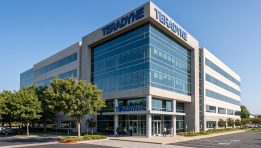
Teradyne (NASDAQ: TER) is trading higher as investor sentiment improves around the semiconductor testing equipment sector, which is closely tied
- Lior mor
- •
- 6 Min Read
- •
- ago 13 hours
SKN | Why Is Palantir (PLTR) Stock Rising Today? AI Demand and Government Contracts Keep Investors Bullish
Palantir Technologies (NYSE: PLTR) is trading higher as investors continue to reward companies positioned at the center of the artificial
- ago 13 hours
- •
- 6 Min Read

Palantir Technologies (NYSE: PLTR) is trading higher as investors continue to reward companies positioned at the center of the artificial


