


- sagi habasov
- •
- 7 Min Read
- •
- 2 hours ago
Key Points
- Large-cap stocks led a partial rebound, lifting the Tel Aviv-35 by 0.65 percent.
- Mid-cap shares remained under pressure, reflecting uneven investor confidence.
- Bond markets stayed soft despite strong activity in equities, signaling cautious positioning.

Israeli markets closed on February 27, 2026, with a mixed performance that capped a volatile trading week. While large-cap stocks staged a recovery, broader participation remained limited and mid-cap indices struggled to regain momentum. Elevated turnover suggested continued institutional activity as investors recalibrated positions.
Large Caps Lead the Recovery
The Tel Aviv-35 index rose 0.65 percent, recovering part of the prior session’s losses. Twenty stocks advanced compared to fifteen decliners, indicating improved sentiment within blue-chip names. The rebound suggests selective buying interest, particularly in companies perceived as more stable amid recent volatility.
The broader Tel Aviv-125 index gained 0.51 percent, supported primarily by large-cap strength. However, advancing stocks only slightly outnumbered decliners, highlighting that the recovery was not fully broad-based.
Trading activity remained robust, with equity turnover reaching approximately 6.61 billion shekels. Elevated turnover during a rebound often signals active repositioning rather than passive buying, pointing to continued portfolio adjustments.
Mid-Caps and Value Stocks Show Continued Weakness
Despite the positive headline performance in large caps, mid-cap stocks continued to struggle. The Tel Aviv-90 index slipped 0.13 percent, reflecting lingering caution in growth-oriented and domestically focused shares. Declining stocks outnumbered advancers, reinforcing the uneven tone of the session.
The combined Tel Aviv 90 and banking index rose modestly by 0.31 percent, suggesting relative resilience among financial stocks compared to the broader mid-cap universe. Still, breadth remained negative in this segment, limiting the strength of the overall recovery.
Value stocks declined 0.27 percent, extending their recent consolidation. The limited number of advancing stocks within the value index indicates ongoing profit-taking and a lack of decisive conviction among buyers.
The sector-balance index edged up 0.10 percent, reflecting stabilization across industries but not a strong upward impulse.
Bond Markets Remain Cautious
Fixed income markets showed mixed results. Short-term bonds rose 0.04 percent, suggesting modest demand for lower-risk instruments. However, the general bond index declined 0.06 percent, while inflation-linked bonds were either flat or slightly negative.
Bond market turnover reached approximately 1.97 billion shekels, indicating continued activity though not at extreme levels. The absence of a strong bond rally suggests that investors are not aggressively shifting into defensive positions, even amid equity volatility.
The simultaneous stabilization in equities and softness in bonds may reflect balanced positioning rather than a clear directional shift in risk appetite.
Forward-Looking: Can the Rebound Broaden Next Week?
As the market heads into the next trading week, the key question will be whether the recovery in large-cap stocks can extend to mid-cap and value segments. Broader participation would strengthen the technical outlook and help restore investor confidence.
Monitoring market breadth will remain essential. A session with advancing stocks clearly outpacing decliners could signal a more sustainable rebound. Conversely, continued weakness in mid-caps may limit upside potential.
Bond market behavior will also be critical. Stability or improvement in fixed income could provide a supportive backdrop for equities. However, renewed selling pressure across asset classes would signal persistent caution.
Investors will watch key support and resistance levels in major indices, as well as turnover trends, to gauge conviction. Opportunities may arise if stability continues, but risks remain elevated if volatility returns and breadth fails to improve.
Comparison, examination, and analysis between investment houses
Leave your details, and an expert from our team will get back to you as soon as possible
* This article, in whole or in part, does not contain any promise of investment returns, nor does it constitute professional advice to make investments in any particular field.
To read more about the full disclaimer, click here
- Lior mor
- •
- 6 Min Read
- •
- ago 1 minute
SKN | Is Wall Street Entering a New Volatility Phase After Hot Inflation and AI Fears?
A sharp selloff swept through U.S. equities after inflation data surprised to the upside, compounding mounting concerns over artificial intelligence
- ago 1 minute
- •
- 6 Min Read

A sharp selloff swept through U.S. equities after inflation data surprised to the upside, compounding mounting concerns over artificial intelligence

- orshu
- •
- 5 Min Read
- •
- ago 2 hours
SKN | Europe Closes Mixed on February 27: FTSE Leads While STOXX 50 Slips
European markets closed mixed on February 27, as investors balanced domestic earnings momentum with broader macroeconomic signals. While the
- ago 2 hours
- •
- 5 Min Read
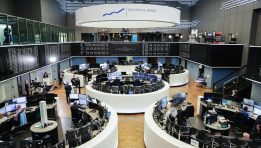
European markets closed mixed on February 27, as investors balanced domestic earnings momentum with broader macroeconomic signals. While the
- orshu
- •
- 5 Min Read
- •
- ago 4 hours
SKN | U.S. Stocks Open Lower as Volatility Jumps: Rotation or Broader Market Pause?
U.S. stocks opened lower on February 27, with major indices starting the session in negative territory as volatility moved
- ago 4 hours
- •
- 5 Min Read

U.S. stocks opened lower on February 27, with major indices starting the session in negative territory as volatility moved
- orshu
- •
- 5 Min Read
- •
- ago 6 hours
SKN | European Stocks Hit Fresh Highs: Can Earnings Momentum Offset Inflation Risks?
European equities climbed to new record levels on Friday, closing out a volatile week shaped by strong corporate earnings, artificial
- ago 6 hours
- •
- 5 Min Read

European equities climbed to new record levels on Friday, closing out a volatile week shaped by strong corporate earnings, artificial

