


- orshu
- •
- 7 Min Read
- •
- 42 minutes ago
Key Points
- Israeli equities declined sharply with the Tel Aviv-125 dropping 1.65 percent amid widespread selling.
- Mid-cap stocks led losses as the Tel Aviv-90 fell 2.21 percent and market breadth turned overwhelmingly negative.
- Bond markets showed mixed performance with rising turnover as investors shifted portfolios.
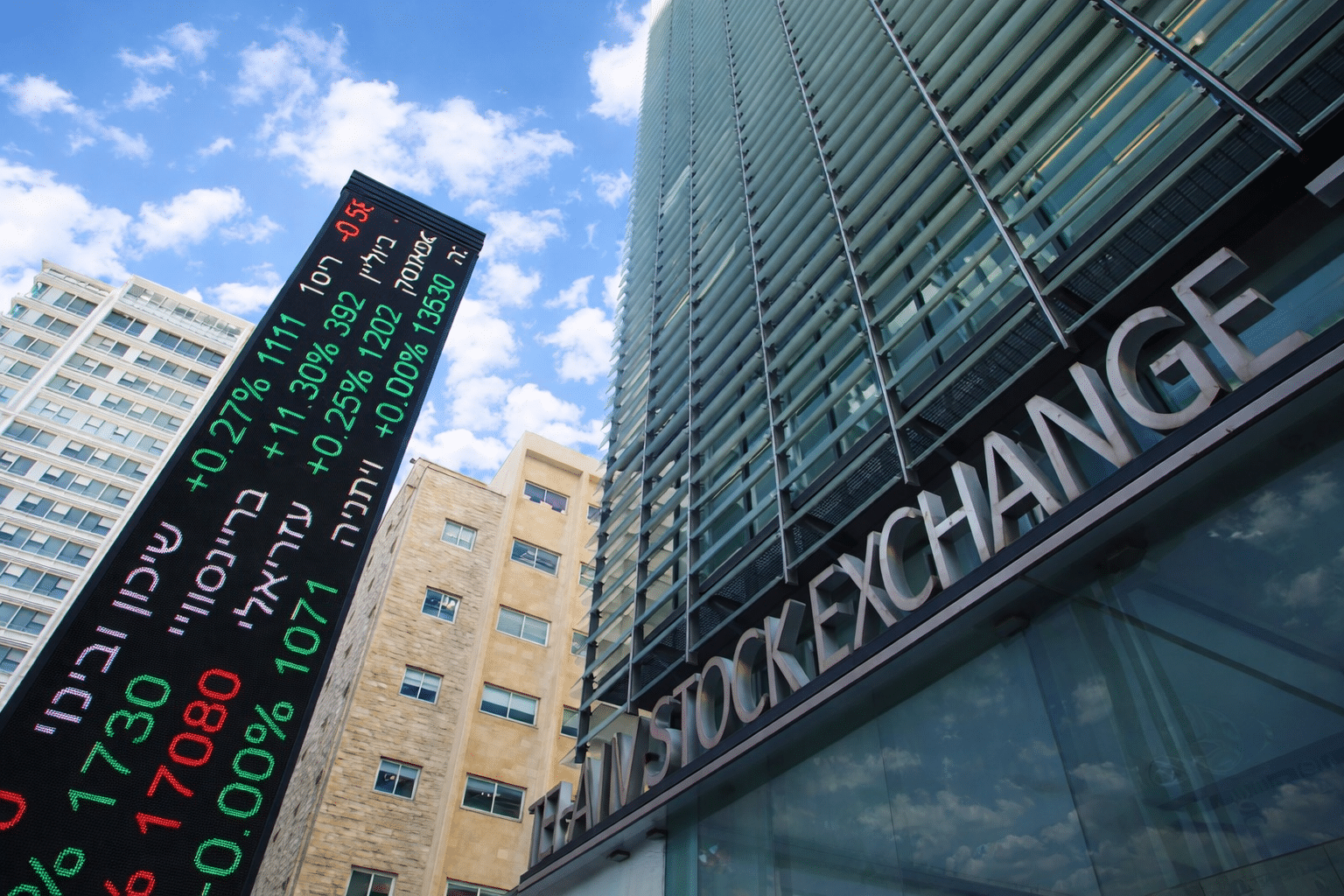
Israeli markets closed significantly lower on March 12, 2026, as widespread selling pressure pushed most major indices into negative territory. The downturn followed recent volatility and reflected cautious investor sentiment as losses spread across large-cap, mid-cap, and value segments. Market breadth deteriorated sharply, highlighting a broad-based retreat rather than isolated sector weakness.
Large Caps Decline as Selling Spreads Across Blue Chips
The Tel Aviv-35 index fell 1.56 percent to close at 4,146.17 points. Only six stocks advanced while twenty-nine declined, underscoring the extent of selling among large-cap companies.
The broader Tel Aviv-125 index dropped 1.65 percent to 4,095.42 points, with just fourteen advancing stocks compared to one hundred eight declines. Such negative breadth reflects strong downward momentum and signals that the majority of sectors faced selling pressure during the session.
Equity trading turnover reached approximately 5.57 billion shekels, indicating continued active participation as investors adjusted positions in response to the market’s recent volatility.
Mid-Caps and Financial Stocks Lead the Losses
Mid-cap shares experienced even steeper declines. The Tel Aviv-90 index dropped 2.21 percent to 3,922.83 points. Only eight stocks advanced while seventy-nine declined, illustrating a pronounced retreat from riskier segments of the market.
The combined Tel Aviv 90 and banking index fell 2.44 percent, reflecting notable weakness in financial stocks. Since financial institutions often play a key role in broader market sentiment, their decline contributed significantly to the overall downward movement.
Value stocks also faced pressure. The Tel Aviv-125 value index declined 1.75 percent, while the sector-balance index dropped 1.53 percent. These declines demonstrate that losses were spread across multiple sectors, further emphasizing the breadth of the selloff.
Bond Markets Show Mixed Signals Amid Heavy Turnover
While equities fell sharply, bond markets displayed mixed performance. The general bond index declined 0.14 percent, indicating modest selling pressure in fixed income markets.
Short-term bonds rose slightly by 0.02 percent, suggesting that some investors moved toward safer assets as equity markets weakened. Inflation-linked bonds delivered mixed results, with small gains and losses across different segments.
Bond trading activity was notably high, with turnover reaching approximately 8.66 billion shekels. Elevated bond market participation often reflects portfolio rebalancing as investors adjust exposure between equities and fixed income.
The relatively small movements in bonds compared to equities suggest that while some defensive positioning occurred, investors did not aggressively rotate into fixed income.
Forward Outlook: Markets Look for Support After Sharp Decline
Following today’s broad selloff, investors will be watching closely to see whether Israeli equities can stabilize in upcoming sessions. Key technical levels in the Tel Aviv-35 and Tel Aviv-125 indices will likely determine whether the market finds support or continues its corrective trend.
Mid-cap stocks will remain a crucial indicator of market sentiment. A rebound in the Tel Aviv-90 index could signal renewed risk appetite, while continued weakness might extend the current downturn.
Bond market behavior will also play an important role. If fixed income markets strengthen while equities stabilize, it could provide a more balanced environment for investors.
For now, the Israeli market appears to be undergoing a correction following earlier gains this month. The next trading sessions will reveal whether buyers step in at lower levels or whether volatility continues to dominate market direction.
Comparison, examination, and analysis between investment houses
Leave your details, and an expert from our team will get back to you as soon as possible
* This article, in whole or in part, does not contain any promise of investment returns, nor does it constitute professional advice to make investments in any particular field.
To read more about the full disclaimer, click here
- orshu
- •
- 7 Min Read
- •
- ago 39 minutes
SKN | European Markets Close Lower as Regional Indices Retreat Amid Currency Weakness and Global Risk Caution
European equity markets closed lower on March 12 as investors adopted a more cautious stance following increased global volatility
- ago 39 minutes
- •
- 7 Min Read

European equity markets closed lower on March 12 as investors adopted a more cautious stance following increased global volatility
- orshu
- •
- 7 Min Read
- •
- ago 2 hours
SKN | U.S. Dollar Strengthens as Global Markets Turn Defensive — What the DXY Rally Signals for Investors
The U.S. Dollar Index (DXY) advanced during the March 12 trading session, climbing to approximately 99.68, up 0.45% from
- ago 2 hours
- •
- 7 Min Read

The U.S. Dollar Index (DXY) advanced during the March 12 trading session, climbing to approximately 99.68, up 0.45% from
- orshu
- •
- 7 Min Read
- •
- ago 3 hours
SKN | Wall Street Slides as Volatility Surges: Dow, S&P 500 and Nasdaq Drop While VIX Jumps
U.S. equity markets traded lower on March 12 as investors shifted toward a more cautious stance amid rising volatility and
- ago 3 hours
- •
- 7 Min Read

U.S. equity markets traded lower on March 12 as investors shifted toward a more cautious stance amid rising volatility and
- orshu
- •
- 5 Min Read
- •
- ago 7 hours
SKN | Asia Markets Decline on March 12, 2026 as Japan and India Lead Regional Losses; Mauritius Market Closed for Independence Day
Asian markets closed lower on March 12, 2026, as investors adopted a cautious stance following recent volatility across global markets.
- ago 7 hours
- •
- 5 Min Read

Asian markets closed lower on March 12, 2026, as investors adopted a cautious stance following recent volatility across global markets.

