


- orshu
- •
- 7 Min Read
- •
- 2 hours ago
Key Points
- The Tel Aviv-35 index gained 0.57 percent, offering modest relief after recent declines.
- Mid-cap stocks remained under pressure as the Tel Aviv-90 fell 1.15 percent.
- Bond markets slipped modestly while trading activity remained elevated.
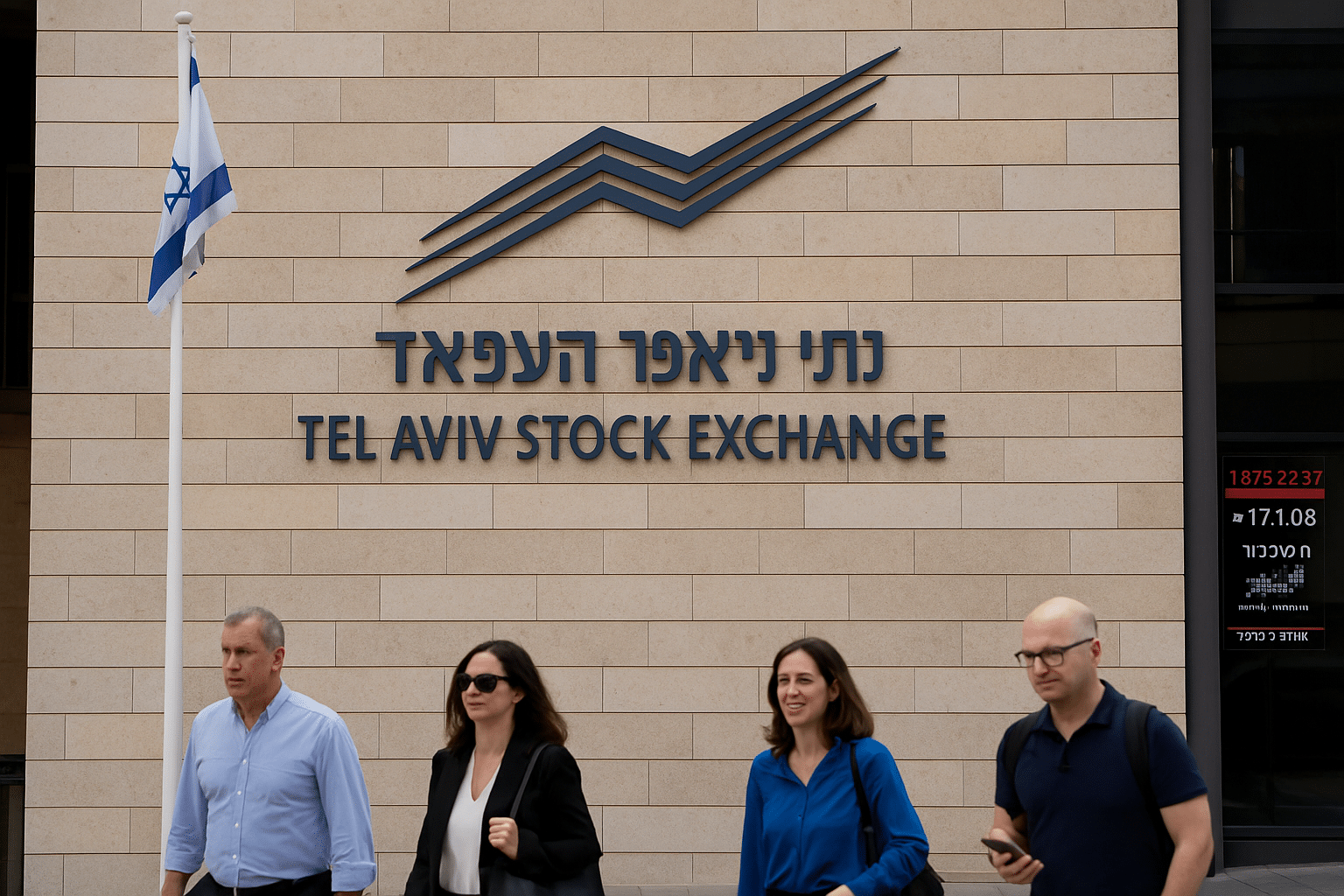
Israeli financial markets closed on March 11, 2026 with mixed performance as large-cap stocks posted a modest rebound while mid-cap shares extended their recent losses. The broader market remained under pressure despite gains in some blue-chip companies, and declining stocks continued to outnumber advancers across several indices.
Large Caps Show Modest Recovery
The Tel Aviv-35 index rose 0.57 percent to close at 4,211.82 points, offering some stabilization after two consecutive sessions of declines. Despite the index gain, market breadth within large-cap stocks remained mixed, with thirteen advancing stocks compared to twenty declines and two unchanged.
The broader Tel Aviv-125 index edged higher by 0.21 percent to 4,164.13 points. However, the underlying breadth was weak, with ninety stocks declining compared to just twenty-nine advancing. This imbalance indicates that the headline index performance was supported by a limited number of large companies rather than broad market strength.
Equity trading activity remained elevated, with turnover reaching approximately 6.25 billion shekels. The high volume suggests continued portfolio adjustments by institutional investors.
Mid-Caps Continue to Struggle
Mid-cap stocks once again experienced notable weakness. The Tel Aviv-90 index declined 1.15 percent to close at 4,011.46 points. Only sixteen stocks advanced while seventy declined, highlighting the persistent selling pressure in this segment.
The combined Tel Aviv 90 and banking index edged up slightly by 0.06 percent, reflecting limited support from financial stocks. However, the majority of securities within this segment still moved lower, reinforcing the cautious sentiment among investors toward mid-cap companies.
Value stocks also declined modestly. The Tel Aviv-125 value index slipped 0.19 percent, suggesting that investors remain selective when allocating capital within the market.
The sector-balance index fell 0.25 percent, reflecting weakness across several industries and reinforcing the overall mixed tone of the trading session.
Bond Markets Show Mild Weakness
Fixed income markets delivered mixed results. The general bond index declined 0.14 percent, indicating moderate selling pressure in some segments of the bond market.
Inflation-linked bonds also slipped slightly. The Tel Bond-Adjoined A index declined 0.08 percent, while the Tel Bond 60 index fell 0.06 percent. Short-term bonds remained unchanged, suggesting that the front end of the yield curve remained stable.
Bond market turnover reached approximately 4.95 billion shekels, reflecting continued activity as investors adjusted fixed income exposure amid equity market volatility.
Forward Outlook: Investors Look for Signs of Stabilization
As the market heads into the next trading sessions, investors will closely monitor whether large-cap strength can help stabilize the broader market. Continued gains in the Tel Aviv-35 index could provide support if mid-cap stocks begin to recover.
The performance of mid-cap shares will remain a key indicator of overall market sentiment. A rebound in the Tel Aviv-90 index would signal improving risk appetite, while continued weakness may prolong the current corrective phase.
Bond market movements will also be closely watched. Stability in fixed income markets could provide a supportive environment for equities, whereas further bond declines might add pressure to broader financial conditions.
For now, the Israeli market appears to be navigating a consolidation period following the strong rally earlier in March. Investors will continue to track market breadth, trading volumes, and sector rotation to determine whether the next move will be a recovery or an extension of the recent pullback.
Comparison, examination, and analysis between investment houses
Leave your details, and an expert from our team will get back to you as soon as possible
* This article, in whole or in part, does not contain any promise of investment returns, nor does it constitute professional advice to make investments in any particular field.
To read more about the full disclaimer, click here
- orshu
- •
- 6 Min Read
- •
- ago 1 hour
SKN | European Stocks Retreat as DAX Slides 1.55% and Regional Indices Close Lower on March 11
European equity markets ended the March 11 trading session in negative territory, with most major indices closing lower as
- ago 1 hour
- •
- 6 Min Read

European equity markets ended the March 11 trading session in negative territory, with most major indices closing lower as
- orshu
- •
- 7 Min Read
- •
- ago 4 hours
SKN | Nasdaq Leads as Volatility Falls: U.S. Markets Show Mixed Signals During March 11 Session
U.S. equity markets displayed mixed performance on March 11 as investors balanced declining volatility, currency strength, and shifting sector
- ago 4 hours
- •
- 7 Min Read

U.S. equity markets displayed mixed performance on March 11 as investors balanced declining volatility, currency strength, and shifting sector

- sagi habasov
- •
- 7 Min Read
- •
- ago 8 hours
SKN | Can Haleon Succeed in China’s Oral-Care Market as Other Western Brands Struggle?
Haleon is intensifying its push into China’s consumer healthcare market at a time when many Western brands are encountering slowing
- ago 8 hours
- •
- 7 Min Read

Haleon is intensifying its push into China’s consumer healthcare market at a time when many Western brands are encountering slowing
- orshu
- •
- 6 Min Read
- •
- ago 10 hours
SKN | Israeli Markets See Moderate Declines as Tech and Banking Sectors Weigh on Indices
The Israeli equity market opened lower today, reflecting ongoing volatility in key sectors including technology and banking. The TA-35 index
- ago 10 hours
- •
- 6 Min Read

The Israeli equity market opened lower today, reflecting ongoing volatility in key sectors including technology and banking. The TA-35 index

