


- omer bar
- •
- 6 Min Read
- •
- 2 months ago
Key Points
- The iShares Silver Trust (SLV) remains one of the largest and most liquid vehicles for tracking physical silver prices globally.
- Silver’s dual role as both a precious and industrial metal is reshaping investor interest amid shifting macroeconomic conditions.
- Inflation trends, interest rate expectations, and industrial demand are emerging as key drivers for SLV’s performance outlook.
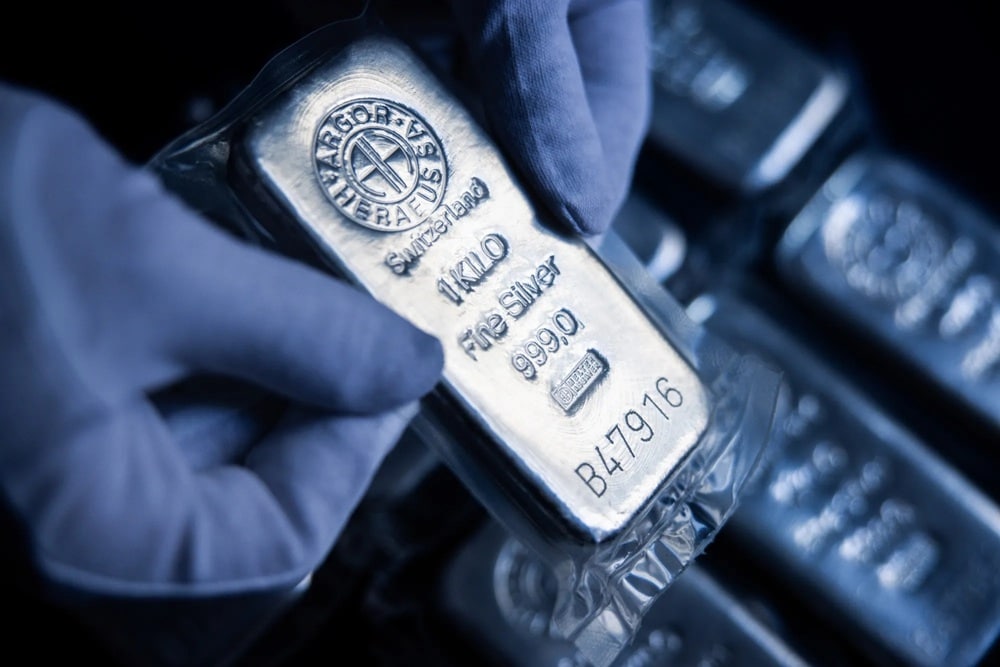
Silver has returned to the spotlight as global investors reassess portfolio exposure to real assets amid persistent macroeconomic uncertainty. The iShares Silver Trust (SLV), which tracks the price of physical silver bullion, has seen renewed attention as markets weigh inflation dynamics, monetary policy shifts, and industrial demand trends. These forces are placing silver at the intersection of defensive positioning and cyclical opportunity.
Understanding SLV and Its Market Role
Launched in 2006, the iShares Silver Trust is designed to reflect the daily performance of the price of silver, less expenses, by holding physical silver bars in secure vaults. With assets under management measured in the billions of dollars, SLV has become a primary benchmark for institutional and retail investors seeking exposure to silver without directly handling the metal.
Unlike equities or bonds, SLV’s performance is closely tied to spot silver prices, which are influenced by currency movements, real interest rates, and investor sentiment toward precious metals. Periods of declining real yields or heightened market uncertainty have historically coincided with stronger silver demand, reinforcing SLV’s role as a macro-sensitive instrument.
Macroeconomic Drivers Behind Silver Price Movements
Silver’s price dynamics differ from those of gold due to its significant industrial applications, including electronics, solar energy, and electric vehicles. According to industry data, more than half of annual silver demand comes from industrial uses, making it sensitive to global growth expectations and manufacturing cycles.
In recent months, expectations of eventual interest rate normalization by major central banks have supported precious metals broadly, while green energy investment has added a structural layer of demand for silver. At the same time, fluctuations in the U.S. dollar have played a critical role, as a weaker dollar typically supports higher commodity prices, including silver.
Market Volatility, Investor Positioning, and Strategic Implications
SLV often exhibits higher volatility than gold-backed ETFs due to silver’s smaller market size and hybrid demand profile. This volatility can amplify both gains and drawdowns during periods of rapid market repricing. For professional investors, this characteristic positions SLV as a tactical instrument rather than a pure defensive hedge.
In Israel, where institutional portfolios are increasingly diversified across global asset classes, silver exposure through instruments like SLV is often evaluated alongside broader commodity allocations. Currency considerations, particularly movements in the U.S. dollar against the shekel, also influence local performance outcomes for internationally traded ETFs.
What to Watch Going Forward
Looking ahead, SLV’s trajectory will likely hinge on several converging factors: the pace of global industrial activity, central bank policy signals, and the balance between physical supply and demand in silver markets. Risks include sharper-than-expected economic slowdowns that could dampen industrial demand, as well as shifts in investor appetite if real yields rise meaningfully.
At the same time, continued investment in renewable energy infrastructure and ongoing inflation sensitivity may sustain strategic interest in silver. For market participants, monitoring macro indicators alongside silver-specific supply-demand data will be critical in assessing SLV’s role within diversified portfolios in the months ahead.
Comparison, examination, and analysis between investment houses
Leave your details, and an expert from our team will get back to you as soon as possible
* This article, in whole or in part, does not contain any promise of investment returns, nor does it constitute professional advice to make investments in any particular field.
To read more about the full disclaimer, click here
- omer bar
- •
- 6 Min Read
- •
- ago 18 hours
SKN | MAGS vs QQQ: Is Concentrated Exposure to the Magnificent Seven Worth the Risk?
Investors seeking exposure to the technology sector often turn to popular index funds such as the Nasdaq-100 ETF, but some
- ago 18 hours
- •
- 6 Min Read
Investors seeking exposure to the technology sector often turn to popular index funds such as the Nasdaq-100 ETF, but some

- sagi habasov
- •
- 7 Min Read
- •
- ago 1 day
SKN | Institutional Bitcoin Access Expands as the iShares Bitcoin Trust ETF Gains Market Influence
The rapid expansion of spot Bitcoin exchange-traded funds is reshaping how institutional investors access cryptocurrency markets. Among the leading vehicles
- ago 1 day
- •
- 7 Min Read
The rapid expansion of spot Bitcoin exchange-traded funds is reshaping how institutional investors access cryptocurrency markets. Among the leading vehicles
- sagi habasov
- •
- 6 Min Read
- •
- ago 2 days
SKN | Are Nuclear Energy ETFs Emerging as Safe-Haven Plays Amid the Global Energy Crisis?
The intensifying conflict involving Iran has triggered renewed turbulence in global energy markets, pushing oil prices sharply higher and exposing
- ago 2 days
- •
- 6 Min Read

The intensifying conflict involving Iran has triggered renewed turbulence in global energy markets, pushing oil prices sharply higher and exposing

- orshu
- •
- 7 Min Read
- •
- ago 2 days
SKN | Oil Surge Lifts United States Oil Fund (USO): ETF Jumps Over 8% as Energy Markets Rally
The United States Oil Fund, LP (NYSEArca: USO) posted a strong rally during the March 12 trading session, rising
- ago 2 days
- •
- 7 Min Read

The United States Oil Fund, LP (NYSEArca: USO) posted a strong rally during the March 12 trading session, rising

