


- sagi habasov
- •
- 7 Min Read
- •
- 5 hours ago
Key Points
- Uber will invest over $100 million to build autonomous vehicle charging hubs starting in major U.S. cities.
- The company is expanding partnerships with global charging operators to accelerate robotaxi deployment.
- Infrastructure control is central to Uber’s strategy as it competes with Tesla and other autonomous mobility players.
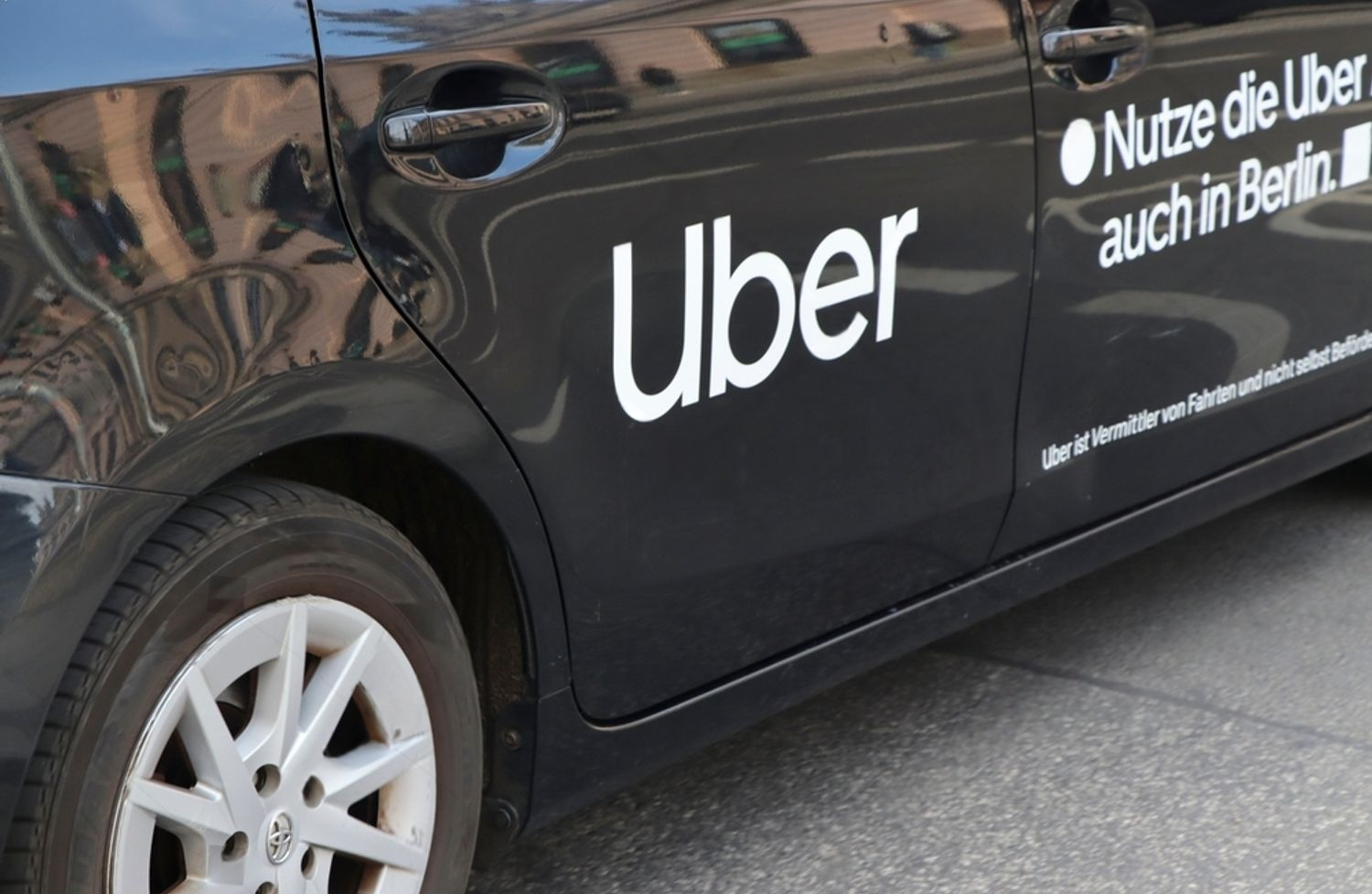
Uber Technologies is doubling down on autonomous mobility with a commitment of more than $100 million to build dedicated charging infrastructure for self-driving vehicles. The investment signals a strategic shift from merely partnering with autonomous vehicle developers to actively building the physical backbone required to scale robotaxi operations across major global cities. As competition intensifies in the autonomous space, Uber appears determined to secure its role not just as a platform, but as an infrastructure orchestrator in the emerging AI-driven mobility ecosystem.
Building the Infrastructure for Autonomy
Uber’s plan centers on constructing DC fast-charging hubs at autonomous depots where the company manages day-to-day fleet operations. Additional fast chargers will be installed at strategically located “pit stops” throughout priority markets. The rollout will begin in the United States, targeting high-density technology corridors such as the Bay Area, Los Angeles, and Dallas, before expanding further.
Beyond proprietary hubs, Uber is pursuing “utilization guarantee agreements” with major chargepoint operators. These agreements, which include partnerships with EVgo in U.S. cities like New York and Boston, Electra in Paris and Madrid, and Ionity and Hubber in London, aim to accelerate the deployment of hundreds of chargers in areas where autonomous fleet density is expected to grow fastest.
The approach reflects a broader understanding that autonomous vehicles cannot scale without reliable, high-throughput charging access. For robotaxi fleets operating nearly around the clock, downtime is a critical profitability variable. Faster charging cycles directly translate into higher fleet utilization and improved unit economics.
Strategic Positioning in the Robotaxi Race
Uber has identified autonomous vehicles as a core long-term growth pillar. The company currently offers robotaxi services in four U.S. cities, as well as in Dubai, Abu Dhabi, and Riyadh. It collaborates with more than 20 autonomous vehicle developers worldwide, including Alphabet’s Waymo and China’s WeRide, across freight, delivery, and passenger transport.
This infrastructure push comes as competitors such as Tesla intensify efforts to commercialize self-driving fleets. While Tesla is pursuing a vertically integrated model—controlling hardware, software, and energy—Uber is positioning itself as a network aggregator with structural advantages in ride demand, logistics coordination, and global scale.
By investing in charging hubs, Uber strengthens its leverage in negotiations with autonomous vehicle manufacturers. Securing early supply and ensuring operational readiness reduces reliance on third-party infrastructure and mitigates deployment bottlenecks.
Capital Allocation and Risk Considerations
Autonomous mobility remains capital-intensive and early-stage. Uber recently reaffirmed its willingness to allocate capital directly to vehicle partners to accelerate deployments. The charging investment underscores that scaling autonomy requires more than software sophistication—it demands heavy physical infrastructure.
From an investor standpoint, the move presents both opportunity and risk. On one hand, early infrastructure leadership could cement Uber’s platform dominance in autonomous ride-hailing. On the other, monetization timelines remain uncertain, regulatory frameworks vary by region, and competitive pressures could compress margins.
Still, the company appears convinced that controlling charging access enhances its structural advantage in a market where operational efficiency will determine winners.
The Road Ahead
As Uber accelerates its autonomous push, the next phase will test whether infrastructure investments translate into meaningful revenue growth. Key indicators to watch include fleet expansion rates, charging utilization metrics, regulatory approvals in new cities, and partnerships with additional automakers.
If robotaxis achieve scale faster than expected, Uber’s early charging infrastructure buildout could prove decisive. If adoption lags, the company may face prolonged capital commitments before returns materialize.
Comparison, examination, and analysis between investment houses
Leave your details, and an expert from our team will get back to you as soon as possible
* This article, in whole or in part, does not contain any promise of investment returns, nor does it constitute professional advice to make investments in any particular field.
To read more about the full disclaimer, click here
- sagi habasov
- •
- 7 Min Read
- •
- ago 7 minutes
SKN | Can Microsoft Sustain 100% Renewable Power as AI Data Center Demand Surges?
Microsoft has reached a symbolic and strategic milestone in its energy transition, announcing that it matched all of its global
- ago 7 minutes
- •
- 7 Min Read

Microsoft has reached a symbolic and strategic milestone in its energy transition, announcing that it matched all of its global

- Ronny Mor
- •
- 7 Min Read
- •
- ago 19 hours
SKN | Nvidia and Meta Deepen AI Alliance: Will Millions of New GPUs Reinforce Nvidia’s Lead in the AI Arms Race?
Nvidia and Meta have unveiled an expanded multiyear, multi-generational partnership that will see the social media giant deploy millions of
- ago 19 hours
- •
- 7 Min Read
Nvidia and Meta have unveiled an expanded multiyear, multi-generational partnership that will see the social media giant deploy millions of

- omer bar
- •
- 7 Min Read
- •
- ago 20 hours
SKN | Is Oracle a Once-in-a-Decade Opportunity — or Just Another AI Trade at Full Valuation?
Oracle Corporation (NYSE: ORCL) has reemerged as a central player in the global AI infrastructure race, delivering a sharp
- ago 20 hours
- •
- 7 Min Read
Oracle Corporation (NYSE: ORCL) has reemerged as a central player in the global AI infrastructure race, delivering a sharp
- sagi habasov
- •
- 7 Min Read
- •
- ago 20 hours
SKN | Apple’s AI Wearable Push: Can Smart Glasses, a Pendant and Camera AirPods Redefine the Post-iPhone Era?
Apple is accelerating development of three new wearable devices — smart glasses, a camera-enabled pendant and upgraded AirPods — in
- ago 20 hours
- •
- 7 Min Read
Apple is accelerating development of three new wearable devices — smart glasses, a camera-enabled pendant and upgraded AirPods — in

