


- Ronny Mor
- •
- 7 Min Read
- •
- 23 minutes ago
Key Points
- The UK has chosen HSBC’s Orion platform to power its Digital Gilt pilot
- The initiative places Britain ahead of other G7 nations in tokenised sovereign debt
- Broader adoption will hinge on regulatory clarity, liquidity and demonstrated efficiency gains.
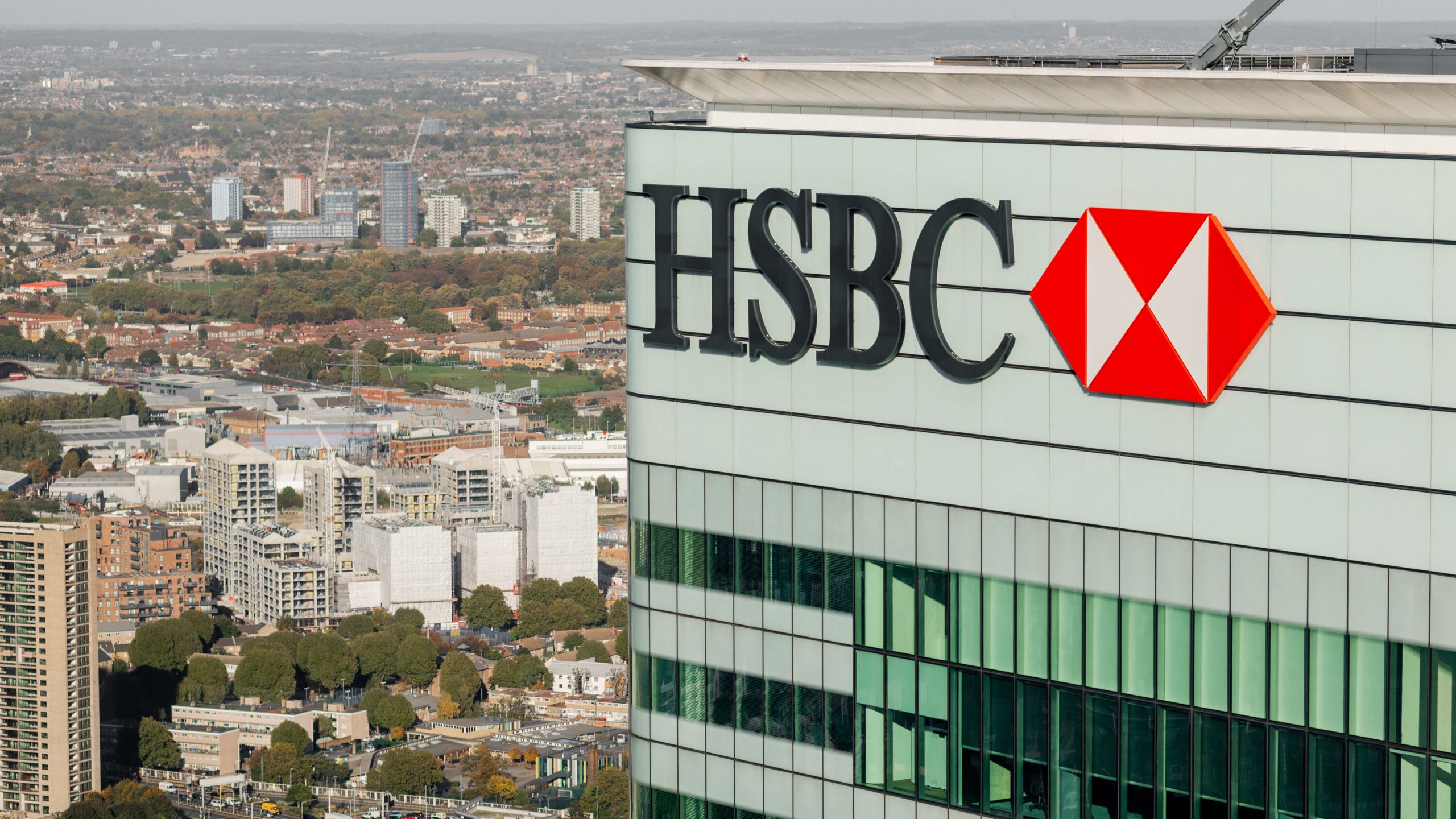
The UK government has selected HSBC’s blockchain-based Orion platform to power its pilot issuance of a tokenised government bond, marking a significant step in the evolution of sovereign debt markets. The initiative, known as the Digital Gilt Instrument (DIGIT), positions Britain at the forefront of blockchain experimentation among G7 nations and signals growing institutional confidence in distributed ledger technology within mainstream capital markets.
At a time when governments are grappling with rising borrowing costs and increased scrutiny over fiscal efficiency, the use of blockchain for sovereign issuance is more than a technological experiment—it is a strategic exploration of how public finance infrastructure might evolve in a digitized financial ecosystem.
Tokenisation Enters the Sovereign Arena
The DIGIT pilot aims to test how distributed ledger technology can streamline issuance, settlement and record-keeping for UK government bonds. While tokenised debt still represents a fraction of global fixed-income markets, the move reflects a broader shift among policymakers and central banks toward digital asset integration.
HSBC’s Orion platform has already facilitated more than $3.5 billion in digital bond issuances across sovereign, central bank and corporate markets. By leveraging that track record, the UK Treasury is seeking to reduce operational friction in the gilt market, potentially lowering transaction costs for financial institutions and enhancing transparency in post-trade processes.
For institutional investors in the UK, Israel and the U.S., the pilot could signal the early stages of a structural change in how sovereign debt is distributed and settled. Faster settlement cycles and reduced counterparty risk are among the potential long-term advantages.
Strategic Implications for Capital Markets
The decision to partner with HSBC underscores the government’s intent to collaborate with established financial institutions rather than relying solely on emerging fintech providers. This approach may ease regulatory concerns and reassure traditional market participants wary of blockchain volatility.
Importantly, tokenisation does not alter the credit quality of the underlying gilt; rather, it modernizes the issuance mechanism. By digitizing the lifecycle of a bond—from issuance to settlement—the UK is effectively testing whether blockchain can coexist with existing clearing systems while delivering incremental efficiencies.
Ashurst LLP has been appointed to provide legal advisory services for the pilot, highlighting the complexity of aligning digital infrastructure with established financial regulations. Legal clarity remains one of the primary barriers to large-scale adoption of tokenised securities.
Ahead of Peers, but Adoption Remains Limited
Despite rising interest globally, tokenised bonds account for only a small share of total sovereign issuance. For the UK, this pilot is less about immediate scale and more about competitive positioning. As global financial centers compete to attract capital and fintech innovation, early adoption of blockchain-based instruments could reinforce London’s relevance post-Brexit.
Still, widespread market acceptance will depend on liquidity, interoperability with existing systems and regulatory harmonization across jurisdictions. Without these elements, digital bonds may remain niche instruments rather than mainstream funding tools.
Looking ahead, investors will monitor whether the pilot translates into measurable cost savings or improved market access. If successful, the model could expand to other asset classes, including corporate debt or green bonds. However, any operational setbacks or regulatory friction could slow momentum.
Comparison, examination, and analysis between investment houses
Leave your details, and an expert from our team will get back to you as soon as possible
* This article, in whole or in part, does not contain any promise of investment returns, nor does it constitute professional advice to make investments in any particular field.
To read more about the full disclaimer, click here
- omer bar
- •
- 7 Min Read
- •
- ago 1 day
SKN | Is the Dollar Losing Its Edge? Greenback Slides Ahead of Payrolls as Rate-Cut Bets Intensify
The U.S. dollar fell against all major peers as investors ramped up expectations for Federal Reserve easing following fresh signs
- ago 1 day
- •
- 7 Min Read

The U.S. dollar fell against all major peers as investors ramped up expectations for Federal Reserve easing following fresh signs

- Ronny Mor
- •
- 7 Min Read
- •
- ago 2 days
SKN | Alphabet’s Century Bond Ambition: Is Big Tech Redefining the Limits of Corporate Debt?
Alphabet is pushing the boundaries of corporate finance as it deepens its reliance on global debt markets to fund an
- ago 2 days
- •
- 7 Min Read

Alphabet is pushing the boundaries of corporate finance as it deepens its reliance on global debt markets to fund an
- Ronny Mor
- •
- 6 Min Read
- •
- ago 3 days
SKN | Why Are US Treasuries Sliding as China Moves to Rein in Bank Bond Holdings?
US Treasury prices fell as global bond markets reacted to reports that Chinese authorities have asked domestic banks to
- ago 3 days
- •
- 6 Min Read

US Treasury prices fell as global bond markets reacted to reports that Chinese authorities have asked domestic banks to
- Ronny Mor
- •
- 7 Min Read
- •
- ago 3 days
SKN | Is the Strong-Dollar Era Fading Despite White House Rhetoric?
The White House continues to insist it supports a strong U.S. dollar, but markets are sending a different message. After
- ago 3 days
- •
- 7 Min Read

The White House continues to insist it supports a strong U.S. dollar, but markets are sending a different message. After

