


- Lior mor
- •
- 7 Min Read
- •
- 2 hours ago
Key Points
- U.S. officials say China is complying with agricultural and trade commitments, including progressing on soybean purchase targets.
- Diplomatic engagement is ongoing, with both sides signaling a desire to stabilize economic ties despite unresolved issues.
- National security concerns over advanced chip exports remain a critical factor shaping U.S. trade policy toward China.
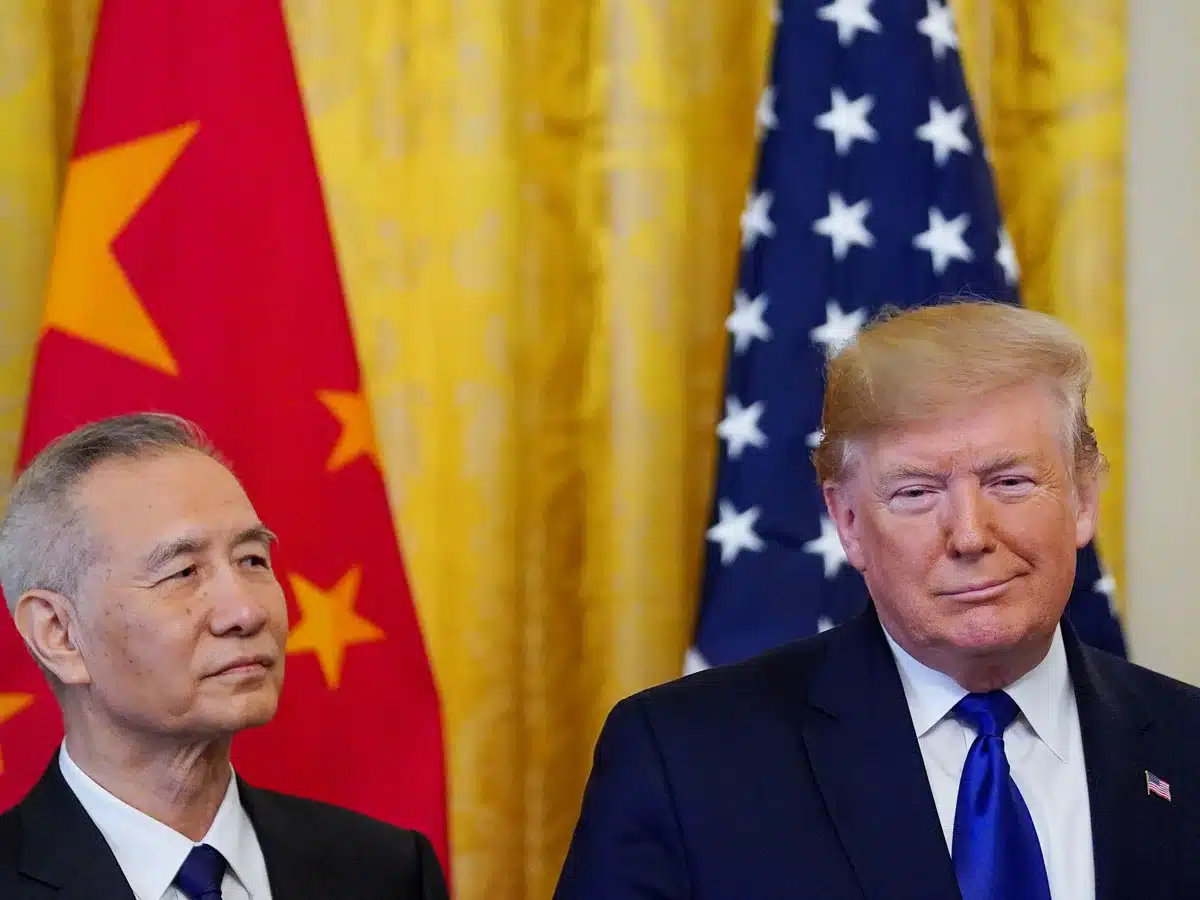
The U.S.–China trade relationship, long defined by friction, is experiencing a rare period of relative stability as senior U.S. officials signal that Beijing is meeting the obligations of recent bilateral agreements. Trade Representative Jamieson Greer said this week that China is complying with specific commitments made under the renewed tariff truce, including agricultural purchases and steps to reduce barriers that have historically constrained U.S. exporters. The comments come as markets, farmers, and multinational companies assess whether this truce can last amid heightened geopolitical and technological tensions.
Greer emphasized that Washington continues to monitor every aspect of China’s obligations, underscoring a “trust but verify” stance that has shaped trade enforcement under President Donald Trump. While the tone is cautiously optimistic, the long-term durability of compliance remains an open question, particularly with sensitive issues such as technology exports and national security still looming large.
Monitoring Compliance Amid a Fragile Thaw
According to Greer, China has progressed roughly one-third of the way through its soybean purchasing commitments for the current growing season—a key benchmark for American farmers. The agricultural sector has been among the most directly affected by tariffs and retaliatory measures, making these commitments vital to restoring farm income and stabilizing rural markets.
The latest agreement, reached in late October between President Trump and President Xi Jinping, includes elements beyond soybeans: tariff pauses, eased export controls, and a gradual reduction in non-tariff barriers. However, several components—such as TikTok’s sale and expanded rare-earth export licensing—remain in progress, highlighting the complexity of executing a full trade reset.
Treasury Secretary Scott Bessent reinforced Greer’s assessment, noting that soybean prices have risen 12% to 15% since the agreement. He added that while China is not accelerating purchases, it is still expected to fulfill them before the crop year ends. Bessent also confirmed he divested from a soybean farm in accordance with ethics requirements.
Diplomatic Channels Stay Active as Both Sides Seek Stability
Over the weekend, Greer and Bessent held a video meeting with Chinese Vice Premier He Lifeng. According to China’s state-run Xinhua, the session was “constructive,” with both sides vowing to stabilize economic ties and address outstanding concerns. These conversations come at a time when U.S. agencies are preparing additional support measures for domestic agriculture, including a long-awaited farm aid plan expected later this week.
Despite this cooperative tone, policymakers remain sensitive to security concerns—especially regarding advanced semiconductor exports. When asked whether companies like Nvidia should sell cutting-edge chips to China, Greer stressed the need for caution. National security, he said, “must be placed first and foremost,” signaling that export restrictions will continue to evolve alongside technological advancements.
A Trade Relationship That Balances Economics and Security
Washington’s acknowledgment of Chinese compliance marks a notable shift from the confrontational posture that has dominated recent years. Yet the underlying strategic rivalry—particularly over critical technologies—continues to influence trade decisions. Investors and multinational firms will be watching closely as U.S. regulators refine rules governing chip exports, while the agricultural sector remains focused on whether China maintains its current pace of purchases.
As winter negotiations and monitoring efforts continue, both countries appear motivated to keep the truce intact, at least for now. The next test will be whether economic cooperation can withstand the broader geopolitical tensions expected to intensify in 2026.
Comparison, examination, and analysis between investment houses
Leave your details, and an expert from our team will get back to you as soon as possible
* This article, in whole or in part, does not contain any promise of investment returns, nor does it constitute professional advice to make investments in any particular field.
To read more about the full disclaimer, click here
- Lior mor
- •
- 7 Min Read
- •
- ago 1 minute
SKN | Why the Fed’s Most Important Decision This Week May Have Nothing to Do With Interest Rates
The Federal Reserve is widely expected to deliver another quarter-point rate cut at its December 9–10 policy meeting, a move
- ago 1 minute
- •
- 7 Min Read

The Federal Reserve is widely expected to deliver another quarter-point rate cut at its December 9–10 policy meeting, a move

- sagi habasov
- •
- 7 Min Read
- •
- ago 23 hours
SKN | Why More Americans Are Choosing a ‘Slow Fade’ Into Retirement While Collecting Social Security
An increasing share of older Americans is opting to work while receiving Social Security benefits, signaling a major behavioral
- ago 23 hours
- •
- 7 Min Read

An increasing share of older Americans is opting to work while receiving Social Security benefits, signaling a major behavioral

- Ronny Mor
- •
- 7 Min Read
- •
- ago 1 day
SKN | Why Higher-Income Shoppers Are Still Flocking to Dollar Stores Despite Improving Sentiment
U.S. consumers are expressing stronger confidence in the economy, yet higher-income households remain loyal customers of dollar-store chains such
- ago 1 day
- •
- 7 Min Read

U.S. consumers are expressing stronger confidence in the economy, yet higher-income households remain loyal customers of dollar-store chains such
- Lior mor
- •
- 7 Min Read
- •
- ago 1 day
SKN | Are Homeowners Missing Out on Solar Tax Credits? The Overlooked Risk in a Rapidly Shifting Market
The U.S. residential solar market has expanded rapidly in recent years, supported by falling hardware prices and generous incentives,
- ago 1 day
- •
- 7 Min Read

The U.S. residential solar market has expanded rapidly in recent years, supported by falling hardware prices and generous incentives,

