


- Ronny Mor
- •
- 7 Min Read
- •
- 5 hours ago
Key Points
- Dollar weakness persists despite official support for a strong currency.
- Trade policy and Fed independence concerns are reshaping global capital flows.
- Investors continue to diversify toward gold and alternative currencies.
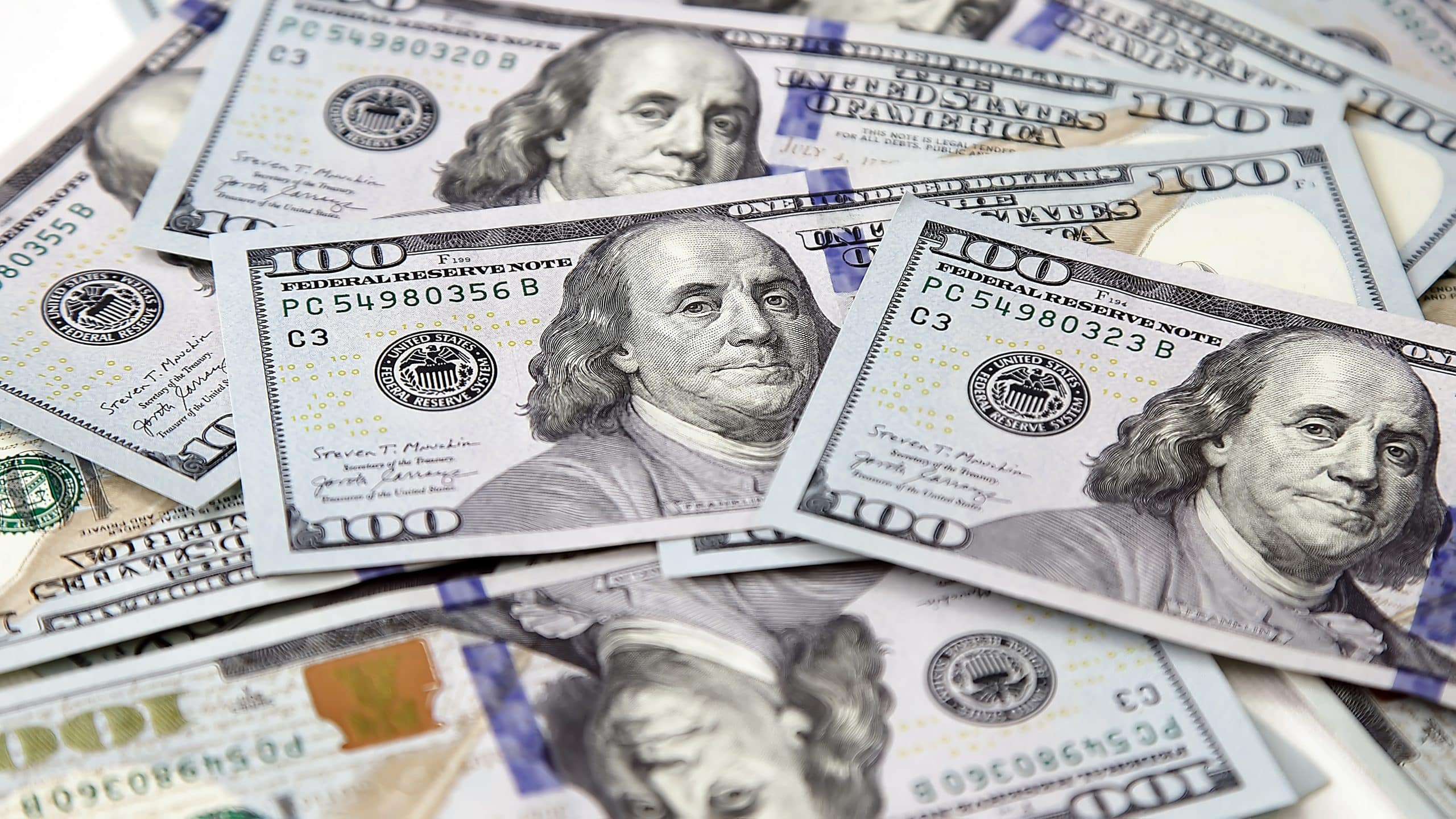
The White House continues to insist it supports a strong U.S. dollar, but markets are sending a different message. After suffering its steepest annual decline in eight years in 2025, the dollar has struggled to regain investor confidence. Even with a modest rebound in recent sessions, the dollar index remains roughly 1% lower year-to-date, extending last year’s nearly 9% drop. For currency traders, the divergence between political messaging and market behavior has become increasingly difficult to ignore.
Policy Uncertainty Undermines Confidence
Currency strategists argue that the dollar’s weakness is not cyclical but structural. Analysts at Goldman Sachs note that persistent policy uncertainty is discouraging investors from rebuilding long positions in the greenback. Expectations entering 2026 were that U.S. policy would support growth and stabilize markets. Instead, renewed tariff threats and abrupt shifts in trade rhetoric have unsettled those assumptions.
The market reaction following President Donald Trump’s “Liberation Day” tariff announcements last April remains instructive. In the immediate aftermath, the dollar fell more than 5%, a sharp break from its traditional safe-haven role. Nearly a year later, those losses have not been fully recovered, reinforcing the sense that confidence has been structurally impaired rather than temporarily shaken.
Reserve Currency Status Under Review
For decades, the dollar’s reserve status has underpinned global demand for U.S. assets, an advantage often described as America’s “exorbitant privilege.” However, strategists are increasingly questioning whether that privilege can be taken for granted. Thierry Wizman of Macquarie argues that the dollar’s dominance is closely tied to the U.S. role as a guarantor of global security and a rules-based order. Recent geopolitical and policy shifts, he warns, may be planting the seeds for a gradual reallocation away from the dollar.
Such reallocations do not happen overnight. Still, history suggests that periods of dollar weakness triggered by major geopolitical or policy changes can last for years, sometimes decades. For investors, this raises the question of whether the current environment represents another such inflection point.
Fed Leadership Adds Another Layer
Adding to uncertainty is the prospect of a leadership change at the Federal Reserve. President Trump’s nomination of former Fed governor Kevin Warsh initially lent brief support to the dollar, as markets interpreted his hawkish reputation as a potential brake on inflation. That optimism faded quickly after Trump publicly indicated he would not support rate hikes and signaled a clear preference for lower interest rates.
Those remarks have complicated the outlook. While Warsh’s past suggests monetary discipline, investors are wary of political influence over Fed policy, particularly at a time when inflation credibility remains central to currency valuation.
Capital Seeks Alternatives
Despite lingering strength in U.S. growth relative to peers, investors are increasingly hedging away from dollar exposure. Flows into the euro, Swiss franc, and especially gold suggest a search for stability outside the dollar system. Gold’s rally has been particularly striking, with prices up more than 60% in 2025 and still over 70% higher year-on-year despite recent volatility. Silver, platinum, copper, and steel have also benefited, reinforcing the broader move toward hard assets.
What Comes Next
The dollar remains the anchor of the global financial system, but the distance between official rhetoric and investor behavior continues to widen. Unless policy uncertainty eases and confidence in U.S. institutional independence is reinforced, markets may continue to treat dollar rallies as opportunities to reduce exposure rather than rebuild it.
Comparison, examination, and analysis between investment houses
Leave your details, and an expert from our team will get back to you as soon as possible
* This article, in whole or in part, does not contain any promise of investment returns, nor does it constitute professional advice to make investments in any particular field.
To read more about the full disclaimer, click here
- Ronny Mor
- •
- 6 Min Read
- •
- ago 3 hours
SKN | Why Are US Treasuries Sliding as China Moves to Rein in Bank Bond Holdings?
US Treasury prices fell as global bond markets reacted to reports that Chinese authorities have asked domestic banks to
- ago 3 hours
- •
- 6 Min Read

US Treasury prices fell as global bond markets reacted to reports that Chinese authorities have asked domestic banks to

- orshu
- •
- 6 Min Read
- •
- ago 3 days
SKN | Australian Dollar Index Rallies as Risk Appetite Improves and Dollar Pressure Eases
The Australian Dollar Currency Index posted a notable gain on February 6, rising sharply as global markets leaned toward
- ago 3 days
- •
- 6 Min Read
The Australian Dollar Currency Index posted a notable gain on February 6, rising sharply as global markets leaned toward

- Lior mor
- •
- 7 Min Read
- •
- ago 5 days
SKN | Treasury Yields Steady as Markets Brace for Key U.S. Economic Signals
U.S. Treasury yields held in a narrow range as investors paused ahead of a dense stretch of economic data that
- ago 5 days
- •
- 7 Min Read

U.S. Treasury yields held in a narrow range as investors paused ahead of a dense stretch of economic data that

- sagi habasov
- •
- 7 Min Read
- •
- ago 1 week
SKN | Is Japan Quietly Standing Down on Yen Defense as Markets Test Its Resolve?
Japan’s approach to defending the yen appears more restrained than market speculation had suggested, underscoring the limits of intervention in
- ago 1 week
- •
- 7 Min Read

Japan’s approach to defending the yen appears more restrained than market speculation had suggested, underscoring the limits of intervention in

