


- Ronny Mor
- •
- 8 Min Read
- •
- 3 months ago
Key Points
- The dollar is on track for its second weekly decline as markets price in a Fed rate cut and potential leadership changes.
- Mixed labor data and upcoming PCE figures will be critical in shaping expectations for further easing.
- The weakening dollar is reshaping global currency dynamics, influencing investor positioning across asset classes.
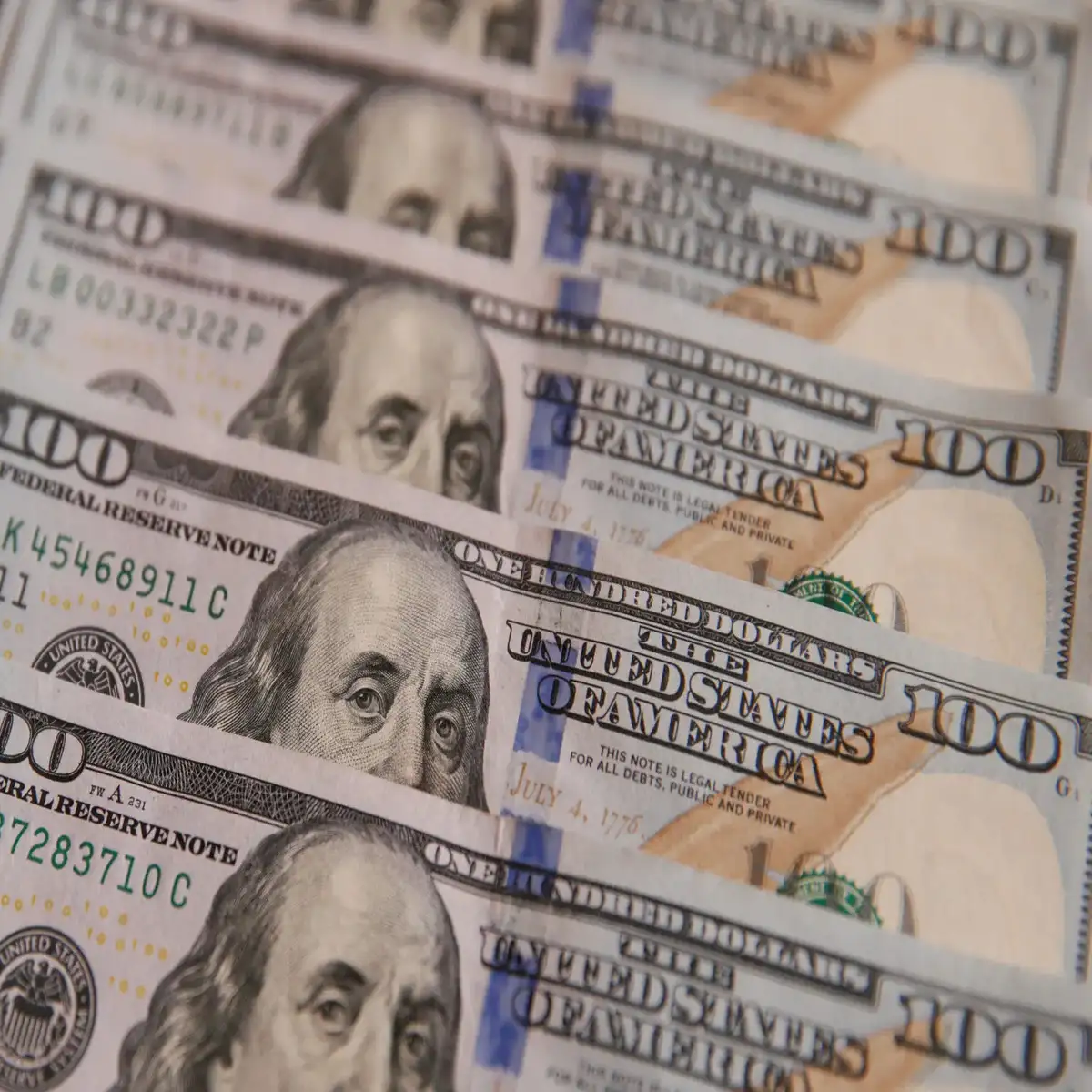
The U.S. dollar steadied near 99 on Friday yet remains on track for its second consecutive weekly decline, as financial markets increasingly position for a cycle of Federal Reserve rate cuts beginning as early as next week. Investors now assign an 87% probability to a 25-basis-point reduction at the upcoming policy meeting, with expectations building for two to three additional cuts through 2026. The weakening currency reflects both the market’s conviction that the Fed is set to pivot decisively toward easing and growing speculation that a potential leadership change at the central bank may accelerate that trajectory.
Shifting Rate Expectations Pressure the Dollar
The moderation in the dollar has gained momentum as traders recalibrate expectations for the Fed’s path amid softer inflation readings, declining household demand and rising political focus on monetary policy. Markets were notably shaken by reports that economic adviser Kevin Hassett could be elevated to Fed chair as early as May, replacing Jerome Powell. Such a move would likely signal a more accommodative stance, at least in the near term, and further weaken the dollar relative to global peers. The DXY index slipped to 98.9274 on December 5, down modestly from the previous session, but its broader downward trend is more pronounced, with the index falling 0.81% over the past month and 6.72% over the past year.
The shift contrasts sharply with the dollar’s historical performance. While it remains far above the extreme lows seen in earlier decades, the currency is now materially weaker than its modern-era peak of 164.72 recorded in 1985. Investors have responded by adjusting currency hedges, rebalancing exposure to emerging markets and cautiously re-entering risk assets that tend to outperform when U.S. yields fall.
Labor Market Mixed Signals Shape Policy Outlook
Economic data released this week paints a nuanced picture of the labor market. Initial jobless claims fell to their lowest level in more than three years, though analysts caution that Thanksgiving seasonality may have distorted the results. At the same time, the Challenger report showed November layoffs rising sharply to 71,321—the highest for that month since 2022. This divergence underscores the challenge for policymakers navigating late-cycle economic behavior, where headline strength can mask early signs of cooling.
The Fed’s preferred inflation metric, the personal consumption expenditures index, will be released alongside new data on household incomes and consumer spending. These figures will help determine whether the recent disinflation trend is sustainable enough to justify the rate cuts markets have already priced in. A softer PCE reading could reinforce the dollar’s downward drift as investors anticipate a more accommodative stance heading into 2026.
Global Currency Dynamics in Focus
The dollar’s weakness has also coincided with firmer performance in several major counterparts, particularly the euro and yen, as central banks abroad navigate their own policy adjustments. With geopolitical risks low but global growth uneven, currency markets are increasingly sensitive to even modest shifts in policy rhetoric. For Israel- and U.S.-based investors, the evolving rate landscape has significant implications across fixed-income positioning, hedging strategies and international equity exposure.
Future Outlook
The next week will be pivotal. If the Fed confirms the expected rate cut and signals openness to further easing, the dollar may continue to soften into early 2026. However, any hint of caution—especially tied to inflation resilience or concerns about financial stability—could slow the currency’s slide. Attention will also remain on Washington for any developments regarding potential leadership changes at the Fed. With uncertainty high and monetary policy at an inflection point, investors are bracing for continued volatility in currency markets.
Comparison, examination, and analysis between investment houses
Leave your details, and an expert from our team will get back to you as soon as possible
* This article, in whole or in part, does not contain any promise of investment returns, nor does it constitute professional advice to make investments in any particular field.
To read more about the full disclaimer, click here
- omer bar
- •
- 6 Min Read
- •
- ago 2 days
SKN | Dollar Rebounds Above 97.8: Is Tariff Turbulence Reviving Safe-Haven Demand?
The U.S. dollar regained ground Tuesday, with the Dollar Index climbing above 97.8 after weakness in the prior session, as
- ago 2 days
- •
- 6 Min Read

The U.S. dollar regained ground Tuesday, with the Dollar Index climbing above 97.8 after weakness in the prior session, as
- omer bar
- •
- 7 Min Read
- •
- ago 4 days
SKN | Are Treasury Bears Regaining Control as Deficit Risks and Fed Signals Shift Bond Momentum?
Momentum in the $31 trillion US Treasury market is tilting back toward bond bears as a combination of fiscal uncertainty,
- ago 4 days
- •
- 7 Min Read
Momentum in the $31 trillion US Treasury market is tilting back toward bond bears as a combination of fiscal uncertainty,

- sagi habasov
- •
- 7 Min Read
- •
- ago 1 week
SKN | Treasury Yields Edge Higher Ahead of Fed Minutes: Will Policymakers Signal a Shift?
U.S. Treasury yields ticked higher as investors positioned cautiously ahead of the Federal Reserve’s January meeting minutes, due for release
- ago 1 week
- •
- 7 Min Read
U.S. Treasury yields ticked higher as investors positioned cautiously ahead of the Federal Reserve’s January meeting minutes, due for release
- sagi habasov
- •
- 6 Min Read
- •
- ago 1 week
SKN | Stocks and Bonds Drift in Holiday-Thinned Trade: What the Muted Volatility Signals for Global Investors
Stocks and bonds moved within narrow but uneven ranges as holiday-thinned trading reduced liquidity across major financial centers. With
- ago 1 week
- •
- 6 Min Read

Stocks and bonds moved within narrow but uneven ranges as holiday-thinned trading reduced liquidity across major financial centers. With

