


- orshu
- •
- 6 Min Read
- •
- 24 minutes ago
Key Points
- Recent weakness in AI-linked stocks has been driven more by positioning and valuation resets than structural deterioration.
- Corporate earnings and capital expenditure plans suggest AI demand remains resilient.
- Analysts argue that volatility reflects a normalization phase rather than the end of the AI cycle.
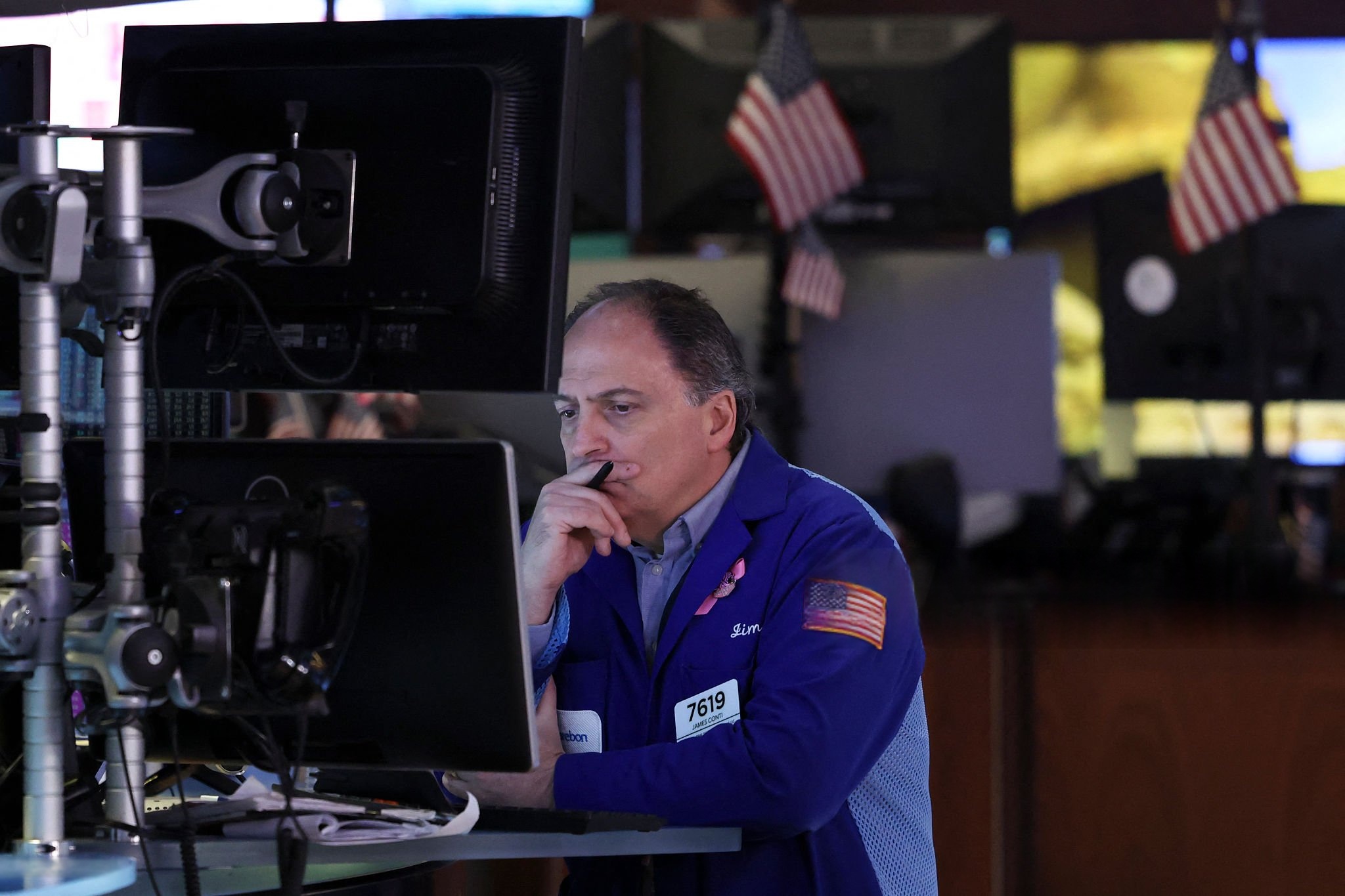
Wall Street is increasingly signaling that the recent pullback in AI-related equities may be disproportionate to underlying fundamentals. After months of outsized gains, a sharp correction in semiconductor and mega-cap technology shares sparked concerns of an overheated sector. Yet growing evidence suggests the sell-off may reflect recalibrated expectations rather than a collapse in demand.
Valuation Reset, Not Structural Breakdown
The recent decline in AI-exposed names followed a period of elevated multiples, particularly among chipmakers and cloud infrastructure providers. As bond yields fluctuated and rate expectations shifted, growth stocks faced renewed scrutiny. In this environment, even minor disappointments triggered outsized reactions.
However, analysts note that the correction has largely compressed valuation multiples rather than materially altering revenue trajectories. Earnings reports from key technology players continue to highlight robust data center spending and sustained demand for high-performance computing. While year-over-year growth rates may moderate from peak levels, they remain historically strong, suggesting that the broader AI investment cycle is intact.
Capex Commitments Signal Ongoing AI Investment
One of the most compelling arguments against the “AI scare” narrative is the scale of ongoing capital expenditure commitments. Major technology firms have reiterated multibillion-dollar investments in AI infrastructure, including data centers, advanced processors, and networking equipment. These plans point to multi-year buildouts rather than short-term experimentation.
Corporate spending trends are particularly relevant for global investors, including those in Israel, where exposure to US technology leaders often forms a core component of diversified portfolios. The durability of AI-related capex underpins earnings visibility across supply chains, from semiconductor fabrication to software integration. Such structural demand reduces the likelihood that recent price weakness reflects a sudden collapse in end-market fundamentals.
Market Structure and Sentiment Dynamics
Another factor contributing to volatility has been market structure. The AI trade became increasingly crowded, with large institutional inflows concentrated in a narrow group of mega-cap stocks. When sentiment shifted, even marginally, the unwinding of positions amplified price declines.
Importantly, broader equity indices have not experienced systemic stress. The pullback has been sector-specific rather than market-wide, suggesting that investors are rotating rather than exiting risk assets altogether. Defensive sectors and cyclicals have absorbed some of the capital that flowed out of AI-heavy names, reflecting portfolio rebalancing rather than panic selling.
Looking ahead, investors will closely monitor earnings revisions, capital expenditure guidance, and bond yield movements to assess whether confidence in AI-linked growth can stabilize. Risks include further valuation compression if interest rates remain elevated or if growth expectations soften. Opportunities may arise if companies continue to demonstrate disciplined execution and sustained demand across enterprise and cloud platforms. While volatility may persist, Wall Street’s emerging consensus suggests that the recent AI-driven sell-off reflects a recalibration phase rather than the end of a structural technology cycle.
Comparison, examination, and analysis between investment houses
Leave your details, and an expert from our team will get back to you as soon as possible
* This article, in whole or in part, does not contain any promise of investment returns, nor does it constitute professional advice to make investments in any particular field.
To read more about the full disclaimer, click here
- orshu
- •
- 6 Min Read
- •
- ago 10 minutes
SKN | Etsy Rebounds After Prolonged Slump — Is This a Tactical Bounce or a Turning Point?
After months of sustained pressure, Etsy stock is staging a notable rebound, drawing renewed attention from institutional investors. The
- ago 10 minutes
- •
- 6 Min Read

After months of sustained pressure, Etsy stock is staging a notable rebound, drawing renewed attention from institutional investors. The

- Ronny Mor
- •
- 4 Min Read
- •
- ago 3 hours
SKN | Historic Insider Buy at Microsoft: Is the Board Signaling a Bottom?
While the technology sector within the Dow Jones Industrial Average faces ongoing turbulence, an unusual move "behind the scenes" at
- ago 3 hours
- •
- 4 Min Read

While the technology sector within the Dow Jones Industrial Average faces ongoing turbulence, an unusual move "behind the scenes" at

- sagi habasov
- •
- 7 Min Read
- •
- ago 7 hours
SKN | Can Google and Sea Redefine Southeast Asia’s Digital Economy With Agentic AI?
Alphabet’s Google and Singapore-based Sea Ltd have unveiled a strategic partnership to develop artificial intelligence tools across Sea’s e-commerce and
- ago 7 hours
- •
- 7 Min Read

Alphabet’s Google and Singapore-based Sea Ltd have unveiled a strategic partnership to develop artificial intelligence tools across Sea’s e-commerce and
- Ronny Mor
- •
- 7 Min Read
- •
- ago 7 hours
SKN | ? Is India Emerging as the Next Global AI SuperpowerTech Giants Pledge Over $250 Billion at Landmark Summit
India has vaulted into the center of the global artificial intelligence race after a wave of multibillion-dollar commitments at the
- ago 7 hours
- •
- 7 Min Read

India has vaulted into the center of the global artificial intelligence race after a wave of multibillion-dollar commitments at the

