


- Ronny Mor
- •
- 7 Min Read
- •
- 1 month ago
Key Points
- Starbucks is closing hundreds of urban stores as high costs, remote work, and competition weigh on performance.
- The company is shifting growth toward suburban drive-throughs and higher-quality urban locations.
- Reviving the “third place” experience is central to Starbucks’ strategy under new leadership.
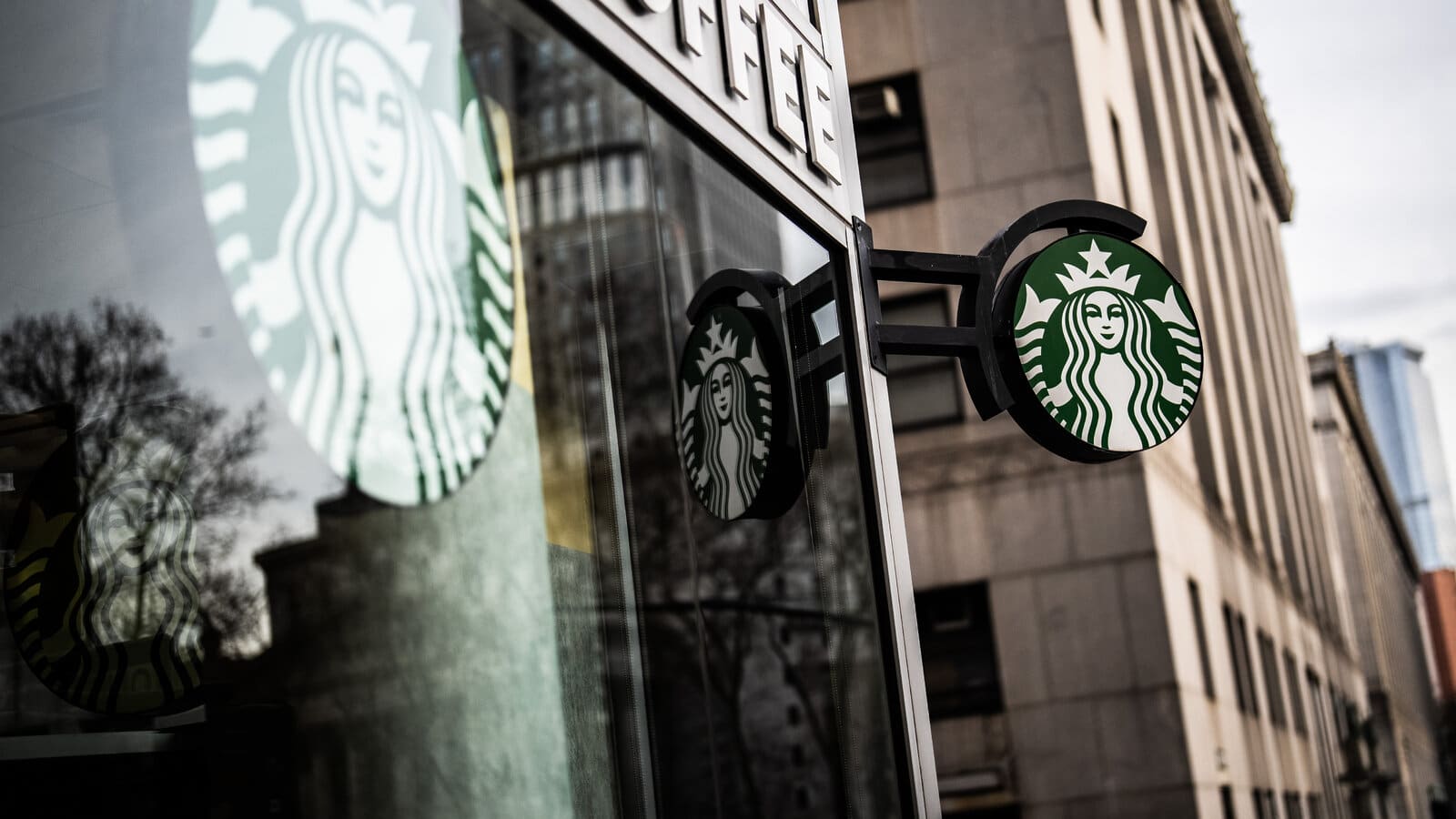
For decades, Starbucks defined urban convenience, turning dense city blocks in New York, Los Angeles, and other major metros into near-continuous chains of green-and-white storefronts. That strategy once symbolized growth without limits. Today, it is being quietly unwound. As consumer habits shift and competition intensifies, Starbucks is stepping back from the very urban saturation model that fueled its rise.
The pivot reflects deeper structural changes in how and where Americans consume coffee. Remote work has thinned daily commuter traffic, operating costs in major cities have surged, and a new generation of specialty coffee chains has carved away at Starbucks’ once-dominant share. Under new CEO Brian Niccol, the company is acknowledging that ubiquity is no longer synonymous with profitability.
Urban Saturation Meets Economic Reality
Starbucks is closing roughly 400 stores nationwide as part of a $1 billion restructuring plan, with the heaviest concentration in large metropolitan areas. New York alone has seen 42 closures, representing about 12% of the company’s footprint in the city. In Manhattan, Starbucks recently lost its position as the largest chain to Dunkin’, a symbolic reversal in a market it once dominated.
Similar patterns have emerged elsewhere. Dozens of locations have closed across Los Angeles, Chicago, San Francisco, and other urban centers. These moves underscore how the brand’s former strategy of placing stores within steps of each other has begun to cannibalize sales rather than expand demand, especially as foot traffic has become less predictable.
Competition, Remote Work, and Rising Costs
Starbucks is now competing in an urban landscape far more crowded than the one it helped create. Independent cafés, boutique chains, and alternative beverage concepts such as bubble tea and smoothie shops have flourished, offering differentiated experiences that resonate with younger, urban consumers. The result has been sustained pressure on store-level volumes.
Remote work has amplified these challenges. Central business districts that once guaranteed steady morning traffic no longer deliver the same density of customers. Analysts note that many Starbucks closures are located in office-heavy areas where commuter patterns never fully recovered after the pandemic.
At the same time, labor, rent, and security costs in major cities continue to climb. These pressures erode margins and make marginal locations increasingly difficult to justify, particularly when a nearby store can absorb displaced demand.
A Shift Toward Suburbia and the “Third Place” Reboot
Rather than abandoning cities altogether, Starbucks is refining its approach. The company says it is closing underperforming locations while planning new openings and remodels that better align with brand standards. A central theme of Niccol’s strategy is reviving Starbucks as a “third place” between home and work, emphasizing comfort, seating, and longer dwell times.
Simultaneously, growth is shifting toward suburban markets, where drive-through formats thrive and operating costs are lower. These locations cater to car-dependent consumers and offer more predictable traffic patterns, providing a counterbalance to volatile urban demand.
What Comes Next for the Brand
Starbucks’ retrenchment is less a retreat than a recalibration. The brand that once defined urban saturation is now betting that fewer, better-performing locations can deliver stronger economics and restore relevance. Success will depend on whether investments in store redesigns, customer experience, and market selection can offset years of strategic drift.
For investors and competitors alike, Starbucks’ move signals a broader lesson for consumer brands: scale alone no longer guarantees growth. In a fragmented, post-pandemic retail landscape, precision may matter more than presence.
Comparison, examination, and analysis between investment houses
Leave your details, and an expert from our team will get back to you as soon as possible
* This article, in whole or in part, does not contain any promise of investment returns, nor does it constitute professional advice to make investments in any particular field.
To read more about the full disclaimer, click here
- sagi habasov
- •
- 7 Min Read
- •
- ago 2 weeks
SKN | Is Apple Rewriting the iPhone Playbook by Putting Premium First in 2026?
Apple is preparing a notable shift in its iPhone release strategy for 2026, signaling a stronger tilt toward premium
- ago 2 weeks
- •
- 7 Min Read

Apple is preparing a notable shift in its iPhone release strategy for 2026, signaling a stronger tilt toward premium

- Ronny Mor
- •
- 6 Min Read
- •
- ago 3 weeks
SKN | Escalating Trade Tensions Between the US and Europe Rattle Risk Assets: Bitcoin Weakens as Gold and Silver Hit Record Highs
Global financial markets opened the week on a negative footing, against the backdrop of growing concerns over a potential escalation
- ago 3 weeks
- •
- 6 Min Read

Global financial markets opened the week on a negative footing, against the backdrop of growing concerns over a potential escalation
- sagi habasov
- •
- 6 Min Read
- •
- ago 4 weeks
SKN | While Silicon Valley Weeps, the Pentagon Buys: Defense Stocks Emerge as the Last Refuge in the Stagflationary Market of 2026
The sea of red across Wall Street screens today, responding to alarming inflation figures, masks one prominent island of green:
- ago 4 weeks
- •
- 6 Min Read

The sea of red across Wall Street screens today, responding to alarming inflation figures, masks one prominent island of green:

- Lior mor
- •
- 6 Min Read
- •
- ago 4 weeks
SKN | Walmart at the Forefront of Retail: NASDAQ-100 Milestone and AI-Driven Transformation
As of mid-January 2026, Walmart (WMT) has solidified its position not just as a global retail leader, but as a dominant force
- ago 4 weeks
- •
- 6 Min Read
As of mid-January 2026, Walmart (WMT) has solidified its position not just as a global retail leader, but as a dominant force

