


- sagi habasov
- •
- 8 Min Read
- •
- 8 hours ago
Key Points
- Thin liquidity is amplifying silver’s most extreme volatility in decades.
- Speculative unwinds and fading Chinese demand are destabilizing prices.
- Gold remains more resilient, but hedging assumptions are being reexamined.
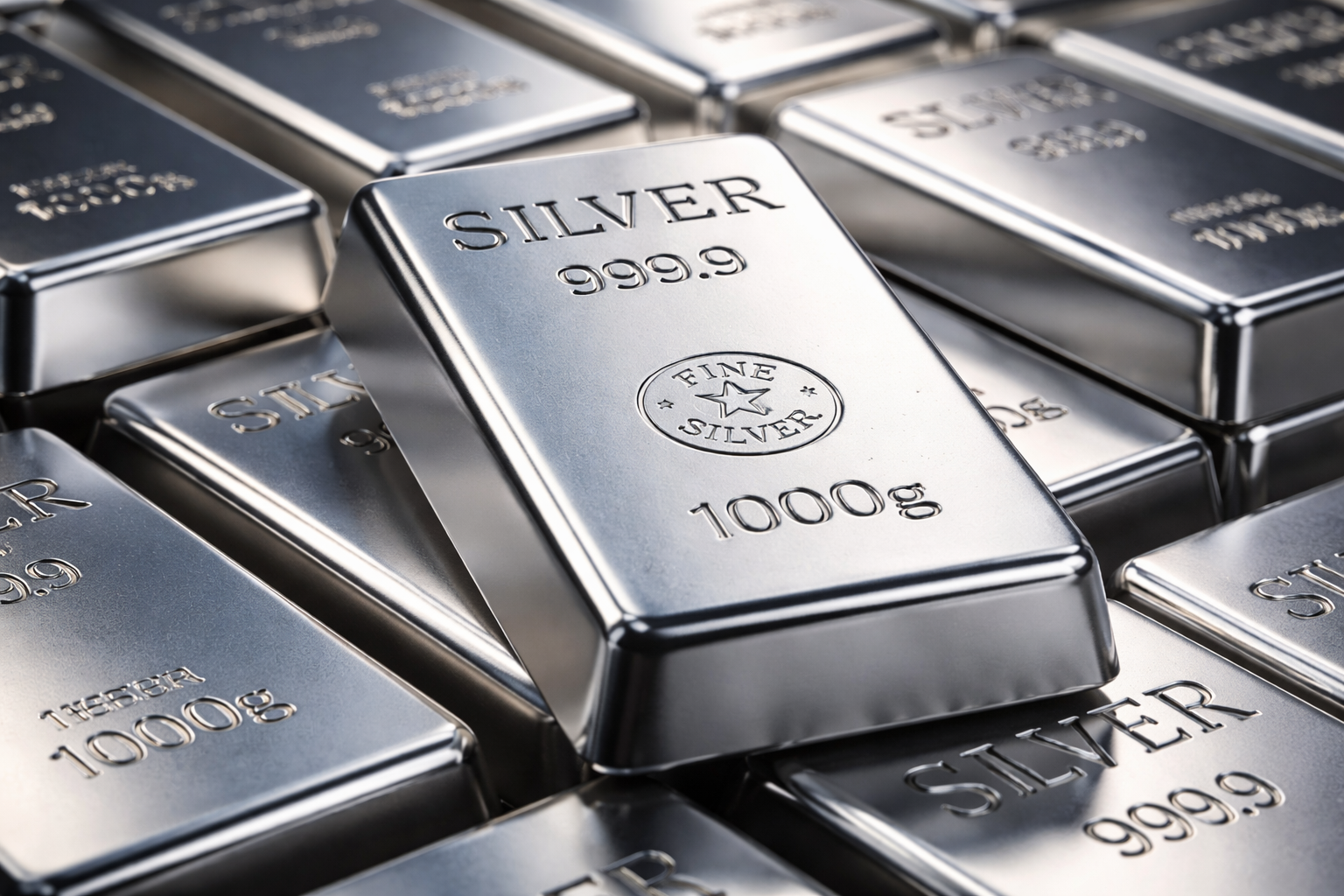
Silver is once again testing investor nerves, swinging sharply between steep losses and sudden rebounds as liquidity evaporates at critical moments. The metal plunged nearly 10% before snapping back, underscoring how fragile price discovery has become in a market struggling to find a stable floor. By mid-morning in London on Friday, spot silver was up about 4% near $74 an ounce, after earlier tumbling toward $64 following a bruising 20% drop in the prior session that wiped out the gains of last month’s rally.
Liquidity Breakdown Fuels Extreme Volatility
Silver’s tendency toward sharper price moves than gold is well known, rooted in its smaller market size and thinner liquidity. But the current episode stands out even by historical standards. The scale and speed of recent swings are the most dramatic since 1980, reflecting a breakdown in market depth as volatility feeds on itself. Since peaking on Jan. 29, silver has lost more than a third of its value, a move more typical of high-beta assets than a traditional precious metal.
Ole Hansen, head of commodity strategy at Saxo Bank AS, noted that rising volatility forces market makers to widen spreads and reduce balance-sheet usage, leaving liquidity weakest precisely when it is most needed. In such conditions, forced selling and abrupt rebounds become more likely, destabilizing short-term price signals.
Speculative Unwind After a Crowded Rally
The whipsaw follows a powerful multiyear bull run in precious metals that accelerated sharply last month. That surge was fueled by heightened geopolitical risks, concerns about the independence of the Federal Reserve, and aggressive speculative buying, particularly from China. Investors piled into leveraged exchange-traded products and call options, leaving positioning stretched.
The reversal came abruptly. Silver recorded its largest-ever daily drop on Jan. 30, while gold suffered its steepest fall since 2013. Since then, markets have struggled to regain equilibrium, with volatility remaining elevated across the complex.
China Demand Retreats, Support Evaporates
A sharp slowdown in Chinese buying has further undermined silver’s ability to stabilize. Domestic prices have flipped to a discount versus international benchmarks, discouraging participation as violent price swings raise risk. Open interest on the Shanghai Futures Exchange has fallen to the lowest level in more than four years, signaling widespread position closures.
Market participants say both sides of the trade are stepping back. Long positions are being stopped out, while shorts are locking in profits. Seasonal factors are also at play, as investors tend to keep exposure light ahead of the Lunar New Year holiday, which begins on Feb. 16.
Gold Holds Up, but Questions Emerge
Gold’s deeper liquidity has allowed it to weather the turbulence more effectively. Many banks and asset managers have reiterated bullish long-term views on bullion. A manager at Fidelity International has indicated readiness to re-enter after selling ahead of the crash, while commodity specialists at Pacific Investment Management Co. continue to view gold’s longer-term trajectory as intact.
Still, the episode has raised uncomfortable questions about precious metals as reliable hedges. In a notable departure from convention, strategists at JPMorgan Chase & Co. have argued that Bitcoin may offer a more attractive long-term alternative to gold, highlighting how volatility is reshaping portfolio assumptions.
What to Watch Next
Looking ahead, silver’s path will depend on whether liquidity returns and speculative positioning normalizes. Until market depth improves, outsized swings are likely to persist, leaving investors wary of leverage and short-term momentum. Stability may eventually re-emerge, but only after confidence—and participation—begin to rebuild.
Comparison, examination, and analysis between investment houses
Leave your details, and an expert from our team will get back to you as soon as possible
* This article, in whole or in part, does not contain any promise of investment returns, nor does it constitute professional advice to make investments in any particular field.
To read more about the full disclaimer, click here
- orshu
- •
- 6 Min Read
- •
- ago 2 hours
SKN | Oil Prices Rise as Iran–US Tensions Rekindle Geopolitical Risk Premium
Crude prices moved higher as markets digested renewed geopolitical tensions linked to Iran–US relations, reviving concerns over supply disruptions
- ago 2 hours
- •
- 6 Min Read
Crude prices moved higher as markets digested renewed geopolitical tensions linked to Iran–US relations, reviving concerns over supply disruptions
- orshu
- •
- 7 Min Read
- •
- ago 13 hours
SKN | Is Silver’s Violent Whipsaw a Warning Signal for the Entire Precious Metals Trade?
Silver once again reminded investors why it carries a reputation for instability. Prices lurched sharply between gains and losses, at
- ago 13 hours
- •
- 7 Min Read
Silver once again reminded investors why it carries a reputation for instability. Prices lurched sharply between gains and losses, at
- orshu
- •
- 6 Min Read
- •
- ago 1 day
SKN | Silver Volatility Exposes Leverage Risks as 3x ETP Triggers Intraday Rebalance
A sudden decline in silver prices prompted a 3x leveraged silver exchange-traded product to trigger an intraday rebalance, drawing
- ago 1 day
- •
- 6 Min Read
A sudden decline in silver prices prompted a 3x leveraged silver exchange-traded product to trigger an intraday rebalance, drawing

- Ronny Mor
- •
- 7 Min Read
- •
- ago 2 days
SKN | Oil Prices Slide After US–Iran Talks Signal De-escalation — Is the Geopolitical Risk Premium Fading?
Global oil prices moved lower after reports that the United States and Iran agreed to engage in diplomatic talks, reducing
- ago 2 days
- •
- 7 Min Read
Global oil prices moved lower after reports that the United States and Iran agreed to engage in diplomatic talks, reducing

