


- Lior mor
- •
- 7 Min Read
- •
- 10 minutes ago
Key Points
- Oil prices are increasingly sensitive to peace signals that could unlock future supply.
- Oversupply expectations for 2026 are dominating market psychology despite ongoing conflicts.
- Thin liquidity is amplifying moves, but the underlying trend reflects structural weakness.
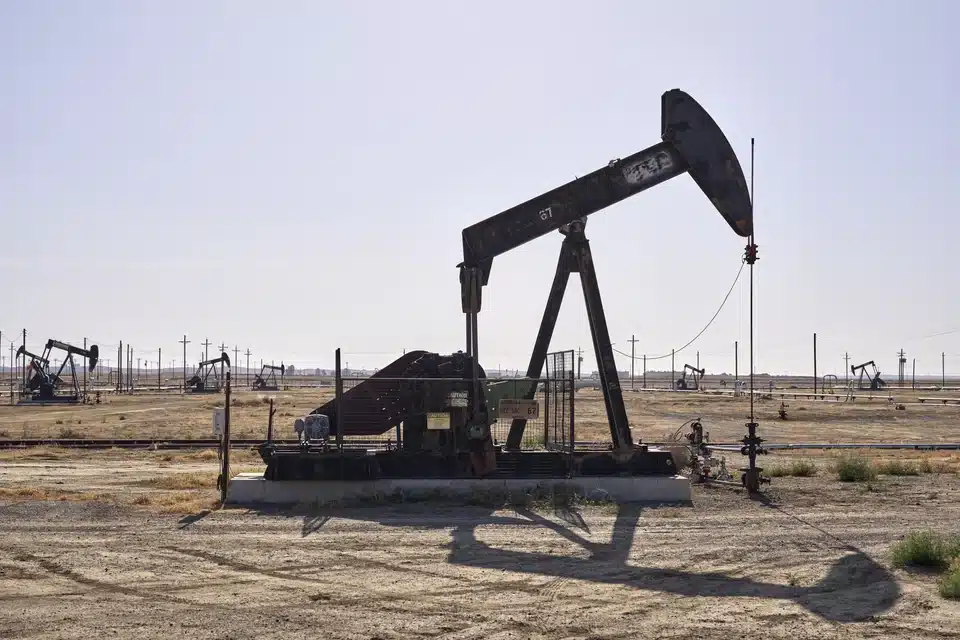
Oil prices retreated sharply in late December trading, underscoring how quickly sentiment can shift when geopolitics collide with oversupply concerns. WTI crude futures slipped toward the $57 per barrel level as investors reacted to renewed signs of progress in negotiations aimed at ending the war in Ukraine. The move came despite a backdrop of solid U.S. economic data and lingering geopolitical flashpoints elsewhere, highlighting a market increasingly dominated by forward-looking supply expectations rather than near-term disruptions.
Ukraine Diplomacy Reprices Risk Premiums
The immediate catalyst for the selloff was commentary from Volodymyr Zelenskiy, who said he expects to meet Donald Trump to discuss a potential path toward ending the conflict. Reports from Moscow suggesting the Kremlin is reviewing peace proposals and maintaining contact with U.S. officials reinforced the perception that diplomatic momentum may be building.
For oil markets, even tentative progress matters. A negotiated settlement could ultimately allow more Russian crude to return to global markets through formal channels, easing one of the key constraints that has shaped energy flows since 2022. Traders appear to be pre-emptively discounting that possibility, reducing the geopolitical premium embedded in prices, even though any material change in supply would likely take time.
Oversupply Narrative Reasserts Itself
Beyond geopolitics, structural concerns continue to weigh on crude. WTI is now on track for its steepest annual decline since 2020, down roughly 18% this year. The pullback reflects growing consensus among major trading houses that 2026 will be characterized by a global surplus, driven by rising output both within and outside OPEC+.
U.S. shale production has proven resilient, while non-OPEC supply growth remains robust. At the same time, demand growth has struggled to accelerate meaningfully, particularly outside of Asia. In this environment, the prospect of additional Russian barrels—however uncertain—adds to a market already grappling with excess capacity and limited pricing power.
Conflicting Signals from Other Geopolitical Risks
The decline in oil prices came despite earlier supportive factors, including U.S. actions against Venezuelan oil shipments and a recent military strike in Nigeria. Under normal circumstances, such developments might have provided a floor for prices. Instead, they were overshadowed by the broader macro narrative that supply risks are easing faster than demand is improving.
This dynamic highlights a recurring feature of late-2025 oil trading: localized disruptions are increasingly viewed as temporary, while structural oversupply is treated as persistent. Thin holiday liquidity likely amplified the move, but the direction reflects deeper conviction among traders positioning for the year ahead.
Market Psychology Shifts Toward 2026
Investor behavior suggests a growing willingness to fade geopolitical headlines when they clash with bearish fundamentals. With crude prices down nearly 20% year over year and inventories expected to rebuild, risk management has shifted from guarding against shortages to preparing for prolonged weakness.
Looking forward, oil markets will closely monitor whether diplomatic signals translate into concrete policy shifts, as well as how producers respond to sustained price pressure. Any breakdown in talks or unexpected supply disruption could still trigger sharp rebounds, but absent that, crude appears vulnerable to further downside as surplus expectations solidify.
Comparison, examination, and analysis between investment houses
Leave your details, and an expert from our team will get back to you as soon as possible
* This article, in whole or in part, does not contain any promise of investment returns, nor does it constitute professional advice to make investments in any particular field.
To read more about the full disclaimer, click here
- orshu
- •
- 6 Min Read
- •
- ago 38 seconds
SKN | Oil Slides 2% as Supply Glut Risks Mount and Ukraine Peace Hopes Weigh on Prices
Oil prices retreated sharply, falling about 2%, as traders reassessed the balance between global supply and demand while geopolitical
- ago 38 seconds
- •
- 6 Min Read

Oil prices retreated sharply, falling about 2%, as traders reassessed the balance between global supply and demand while geopolitical

- sagi habasov
- •
- 6 Min Read
- •
- ago 3 hours
SKN | US Equities Trade Mixed as Precious Metals Rally Extends Without Pause
US equity markets traded unevenly as investors navigated mixed signals across sectors, while the rally in precious metals showed
- ago 3 hours
- •
- 6 Min Read

US equity markets traded unevenly as investors navigated mixed signals across sectors, while the rally in precious metals showed

- Ronny Mor
- •
- 6 Min Read
- •
- ago 7 hours
SKN | Is Silver’s Surge Past $75 Signaling a Structural Shift in Global Safe-Haven Demand?
Silver surged past the $75-per-ounce threshold for the first time, marking a historic milestone as investors intensified their search for
- ago 7 hours
- •
- 6 Min Read

Silver surged past the $75-per-ounce threshold for the first time, marking a historic milestone as investors intensified their search for
- Ronny Mor
- •
- 5 Min Read
- •
- ago 9 hours
SKN | Gold and Silver Break to New Highs as Precious Metals Rally Accelerates
Gold and silver prices climbed to new record highs, reinforcing one of the strongest rallies in the precious metals
- ago 9 hours
- •
- 5 Min Read

Gold and silver prices climbed to new record highs, reinforcing one of the strongest rallies in the precious metals

