


- sagi habasov
- •
- 7 Min Read
- •
- 6 minutes ago
Key Points
- Oil is poised for its first consecutive weekly loss of 2026 as OPEC+ supply discussions weigh on sentiment.
- U.S.-Iran diplomacy is reducing near-term geopolitical risk premiums.
- Macro conditions remain supportive, but market direction hinges on policy and supply signals.
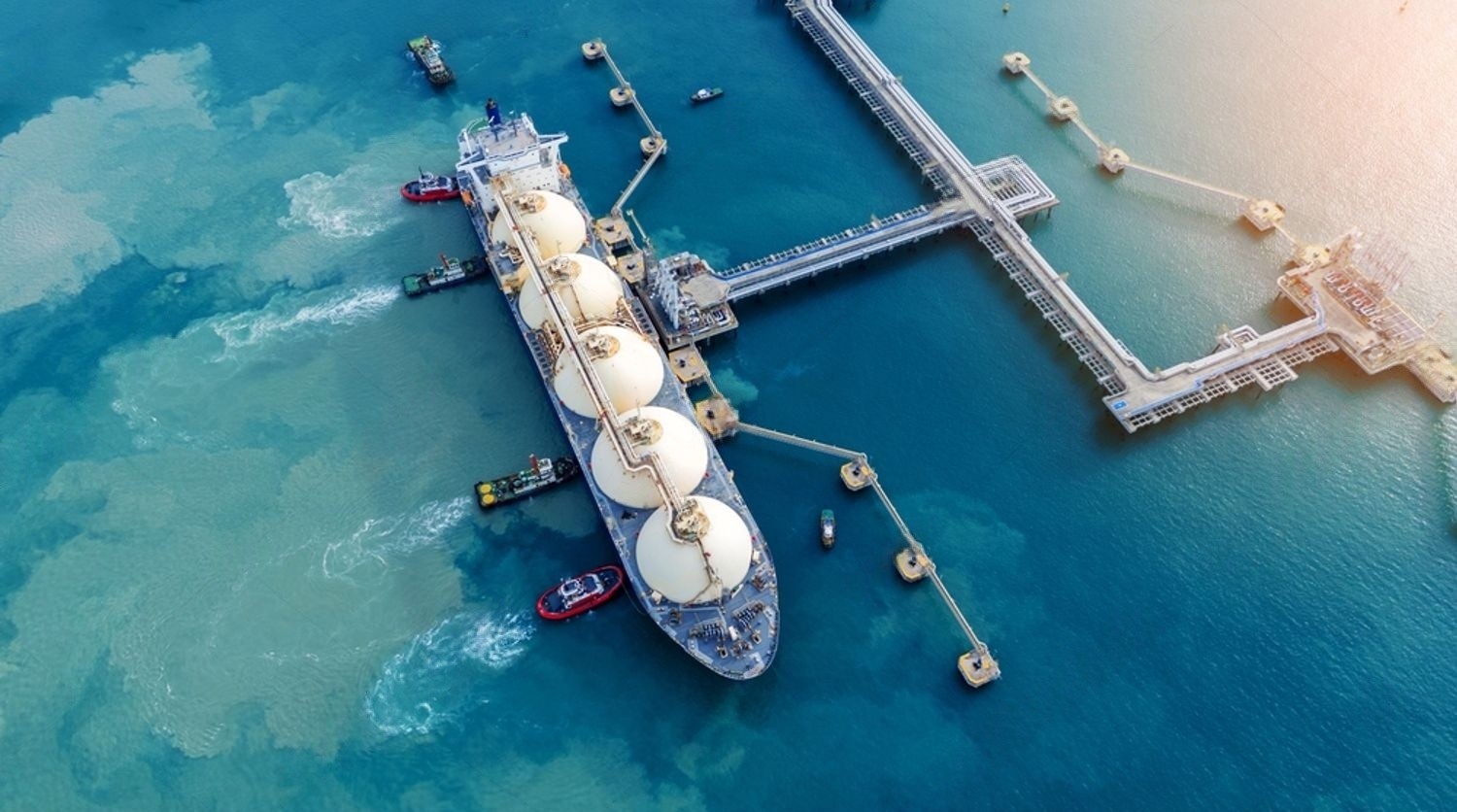
Oil prices are heading toward their first back-to-back weekly decline of 2026, signaling a shift in market psychology after months dominated by geopolitical risk premiums. Traders are recalibrating positions as the prospect of expanded OPEC+ supply collides with signs of diplomatic progress between Washington and Tehran, while broader market softness adds another layer of caution.
West Texas Intermediate is down roughly 1.2% for the week and traded little changed on Friday, reflecting a market that appears undecided about its next directional move. Brent benchmarks have shown similar hesitation, hovering near recent support levels. The pullback threatens to snap a steady run of gains that defined early 2026, when recurrent geopolitical tensions — particularly the U.S.-Iran standoff — buoyed futures.
OPEC+ Supply Signals Re-Emerge
Delegates within OPEC+ have indicated there may be room to resume output increases as early as April, arguing that fears of a supply glut may be overstated. While no formal decision has been made ahead of the March 1 meeting, the mere discussion has tempered bullish sentiment.
At a major energy conference in London this week, industry participants suggested that global supply could exceed demand in 2026, particularly in the Atlantic basin — a key price-setting region. If that imbalance materializes, inventories could build, weighing on forward curves and potentially narrowing backwardation structures that have supported prices.
However, not all supply signals are bearish. Sanctioned barrels and intermittent production disruptions in several countries have so far prevented a material inventory surge. This tension between theoretical oversupply and practical constraints is keeping crude in a relatively tight range.
Iran Talks and the Risk Premium Question
Geopolitics remains central to price formation. President Donald Trump indicated that negotiations with Iran over its nuclear program could extend for as long as a month. The signal of prolonged diplomacy has reduced the near-term probability of military escalation — and with it, some of the embedded geopolitical risk premium.
Earlier in the year, fears of supply disruptions tied to Iran provided consistent support for crude. The market now appears to be pricing in a lower likelihood of immediate confrontation. That shift has been enough to encourage short-term profit-taking, particularly among funds that built long positions during January’s rally.
Meanwhile, negotiations related to the war in Ukraine continue to influence European energy flows and global supply expectations, though their impact on oil pricing has recently been secondary to Middle East dynamics.
Macro Tailwinds Offer Partial Support
Limiting the downside, recent U.S. inflation data has been relatively tame, reinforcing expectations that the Federal Reserve could proceed with additional rate cuts. Lower borrowing costs typically support commodity demand through a weaker dollar and improved economic activity expectations.
Still, thinner trading conditions ahead of the U.S. Presidents’ Day holiday may exaggerate price swings, amplifying short-term volatility without necessarily signaling a fundamental shift.
Looking ahead, the oil market faces a delicate balance. If OPEC+ signals meaningful output increases while diplomatic channels with Iran remain open, crude could struggle to regain its early-year momentum. Conversely, any disruption to talks or unexpected supply shock could quickly restore bullish positioning. Investors will be watching March’s OPEC+ meeting and developments in Washington and Tehran as pivotal catalysts for the next directional move.
Comparison, examination, and analysis between investment houses
Leave your details, and an expert from our team will get back to you as soon as possible
* This article, in whole or in part, does not contain any promise of investment returns, nor does it constitute professional advice to make investments in any particular field.
To read more about the full disclaimer, click here
- omer bar
- •
- 7 Min Read
- •
- ago 9 hours
SKN | Africa Emerges as Fastest-Growing Solar Market in 2025: Is the Continent Becoming the Next Renewable Energy Powerhouse?
Africa became the world’s fastest-growing solar market in 2025, expanding installed capacity by 17% even as global solar growth slowed
- ago 9 hours
- •
- 7 Min Read

Africa became the world’s fastest-growing solar market in 2025, expanding installed capacity by 17% even as global solar growth slowed

- Ronny Mor
- •
- 7 Min Read
- •
- ago 2 days
SKN | Is Europe’s Naval Rearmament Driving TKMS Toward a New Growth Cycle?
Germany’s Thyssenkrupp Marine Systems (TKMS) has reached a record $22 billion order backlog and upgraded its sales outlook for 2026,
- ago 2 days
- •
- 7 Min Read

Germany’s Thyssenkrupp Marine Systems (TKMS) has reached a record $22 billion order backlog and upgraded its sales outlook for 2026,
- omer bar
- •
- 9 Min Read
- •
- ago 3 days
SKN | Why U.S. Natural Gas Futures Are Slipping Amid Political Shifts and Sanctions Changes
U.S. natural gas futures eased this week as traders contended with a more complex energy landscape marked by softer short-term
- ago 3 days
- •
- 9 Min Read

U.S. natural gas futures eased this week as traders contended with a more complex energy landscape marked by softer short-term
- Ronny Mor
- •
- 5 Min Read
- •
- ago 3 days
SKN | Offshore Giant: Transocean (RIG) to Acquire Valaris in $5.8 Billion Deal
In a dramatic move for the energy sector, offshore drilling giant Transocean Ltd. (RIG) has announced the acquisition of its
- ago 3 days
- •
- 5 Min Read

In a dramatic move for the energy sector, offshore drilling giant Transocean Ltd. (RIG) has announced the acquisition of its

