


- omer bar
- •
- 7 Min Read
- •
- 2 hours ago
Key Points
- Netflix’s recommendation engine protects billions in annual subscriber retention value.
- Behavioral data replaced star ratings, enabling hyper-personalized content delivery.
- Generative AI integration could deepen Netflix’s algorithmic dominance.
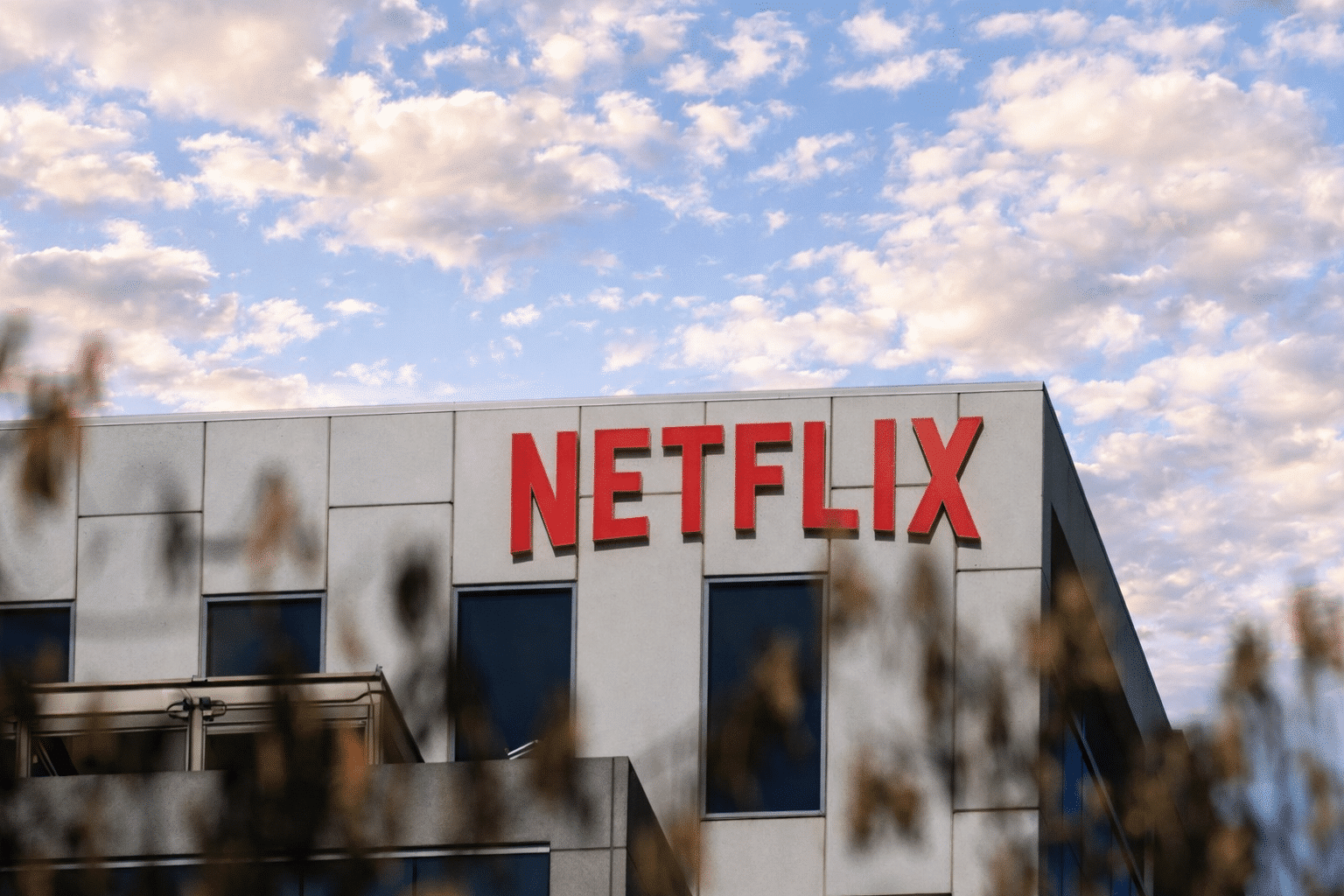
The 90-Second Window That Built a Streaming Empire
Netflix gives itself just 90 seconds — the average time a subscriber browses before disengaging or drifting to a competitor. In that narrow window, its recommendation engine must surface something compelling from a catalog of thousands of titles. The stakes are enormous. As early as 2016, when Netflix had roughly 80 million subscribers, executives estimated that its recommendation system preserved about $1 billion annually in customer retention value. Today, with approximately 325 million global subscribers, the economic impact of that algorithm has likely multiplied several times over.
The recommendation engine is not merely a convenience feature; it is the central retention mechanism in a subscription-based business model. Every avoided cancellation compounds revenue over time. In effect, Netflix’s algorithm functions as a real-time revenue protection system, constantly optimizing engagement to preserve lifetime customer value.
As the company reportedly pursues an $83 billion acquisition of Warner Bros. Discovery, its algorithmic dominance could extend beyond original content and into a century-old Hollywood library — blending legacy storytelling with predictive data science.
From Star Ratings to Behavioral Surveillance
Netflix’s early personalization relied on user-submitted star ratings — explicit feedback about what viewers claimed to enjoy. In 2017, the company pivoted toward implicit behavioral signals: clicks, scroll behavior, watch duration, pause frequency, device usage, and time-of-day patterns. This shift proved transformative.
People’s stated preferences often diverge from their actual behavior. By tracking micro-interactions at scale — reportedly hundreds of billions annually — Netflix built a layered system of machine learning models capable of tailoring nearly every user interface element. Even thumbnail images differ by viewer, emphasizing romance, action, or specific actors depending on individual engagement history.
Behind this system are human “taggers” who categorize content with granular metadata. These tags feed thousands of algorithmically defined “taste communities,” enabling precise content surfacing. The result is a viewing experience engineered for maximum completion rates.
The Rise of the “Algorithm Movie”
Critics argue this data-driven ecosystem has created a new genre: the “algorithm movie.” Big-budget productions such as The Electric State or star-driven vehicles like Red Notice often combine familiar narrative elements validated by viewer data. Storylines are designed to be accessible, with simplified exposition and universally appealing tropes.
Production techniques reportedly reflect this optimization logic. Dialogue may clarify plot actions for distracted viewers. Sound mixing prioritizes cross-device compatibility. Lighting avoids extreme contrast. The goal is not artistic unpredictability, but frictionless consumption.
Netflix leadership maintains that content commissioning remains driven primarily by creative instinct. However, the company’s global distribution model — which favors worldwide rights acquisition — has reshaped independent film financing. Projects most likely to secure funding are increasingly those most likely to be algorithmically recommended.
AI Integration and Strategic Expansion
Netflix is now layering generative AI onto its personalization infrastructure. Machine learning already assists in selecting promotional frames, generating personalized artwork, and supporting visual effects workflows. The integration of AI promises further optimization in marketing and content discovery.
If Netflix succeeds in acquiring Warner Bros. Discovery, its algorithm would gain stewardship over an expansive legacy catalog, from contemporary franchises to classic films. This convergence raises strategic questions about whether algorithmic optimization can coexist with the unpredictability that historically defined cinema.
Looking ahead, Netflix’s competitive advantage may depend less on owning the most content and more on predicting viewer behavior faster and more accurately than rivals. In a streaming market saturated with options, the ability to win the 90-second decision window remains decisive.
For investors, the algorithm represents both a technological moat and a cultural force. Its economic value lies in retention metrics; its broader impact may reshape how entertainment itself is conceived, financed, and consumed.
Comparison, examination, and analysis between investment houses
Leave your details, and an expert from our team will get back to you as soon as possible
* This article, in whole or in part, does not contain any promise of investment returns, nor does it constitute professional advice to make investments in any particular field.
To read more about the full disclaimer, click here
- Lior mor
- •
- 7 Min Read
- •
- ago 10 minutes
SKN | Is AI a Threat to India’s IT Outsourcing Model — or Its Biggest Growth Catalyst?
Artificial intelligence has rattled global technology stocks and reignited debate over whether automation will hollow out labor-intensive service industries. Yet
- ago 10 minutes
- •
- 7 Min Read
Artificial intelligence has rattled global technology stocks and reignited debate over whether automation will hollow out labor-intensive service industries. Yet

- Ronny Mor
- •
- 6 Min Read
- •
- ago 10 hours
SKN | Can the Creator Economy Survive the AI Content Flood?
The creator economy is under increasing scrutiny as AI-generated content floods digital platforms, reshaping how audiences consume and monetize media.
- ago 10 hours
- •
- 6 Min Read

The creator economy is under increasing scrutiny as AI-generated content floods digital platforms, reshaping how audiences consume and monetize media.

- sagi habasov
- •
- 7 Min Read
- •
- ago 18 hours
SKN | Is Nvidia’s CPU Push a Direct Threat to Intel and AMD’s Data Center Dominance?
Nvidia is no longer content with owning the GPU crown. With a newly expanded multiyear data center agreement with Meta
- ago 18 hours
- •
- 7 Min Read
Nvidia is no longer content with owning the GPU crown. With a newly expanded multiyear data center agreement with Meta
- sagi habasov
- •
- 7 Min Read
- •
- ago 2 days
SKN | Ford Unveils Lower-Cost EV Platform: Can a Midsize Electric Pickup Reset the Profitability Equation?
Ford Motor Company has revealed further details about its next-generation, lower-cost electric vehicle platform, with a midsize electric pickup
- ago 2 days
- •
- 7 Min Read

Ford Motor Company has revealed further details about its next-generation, lower-cost electric vehicle platform, with a midsize electric pickup

