


- omer bar
- •
- 8 Min Read
- •
- 17 seconds ago
Key Points
- Vessel traffic through the Panama Canal increases as shipping routes adjust due to Middle East conflict disruption
- Diversion patterns highlight rising geopolitical influence on global trade logistics and freight flows
- Shipping costs, transit times, and route efficiency are becoming more sensitive to regional security risks
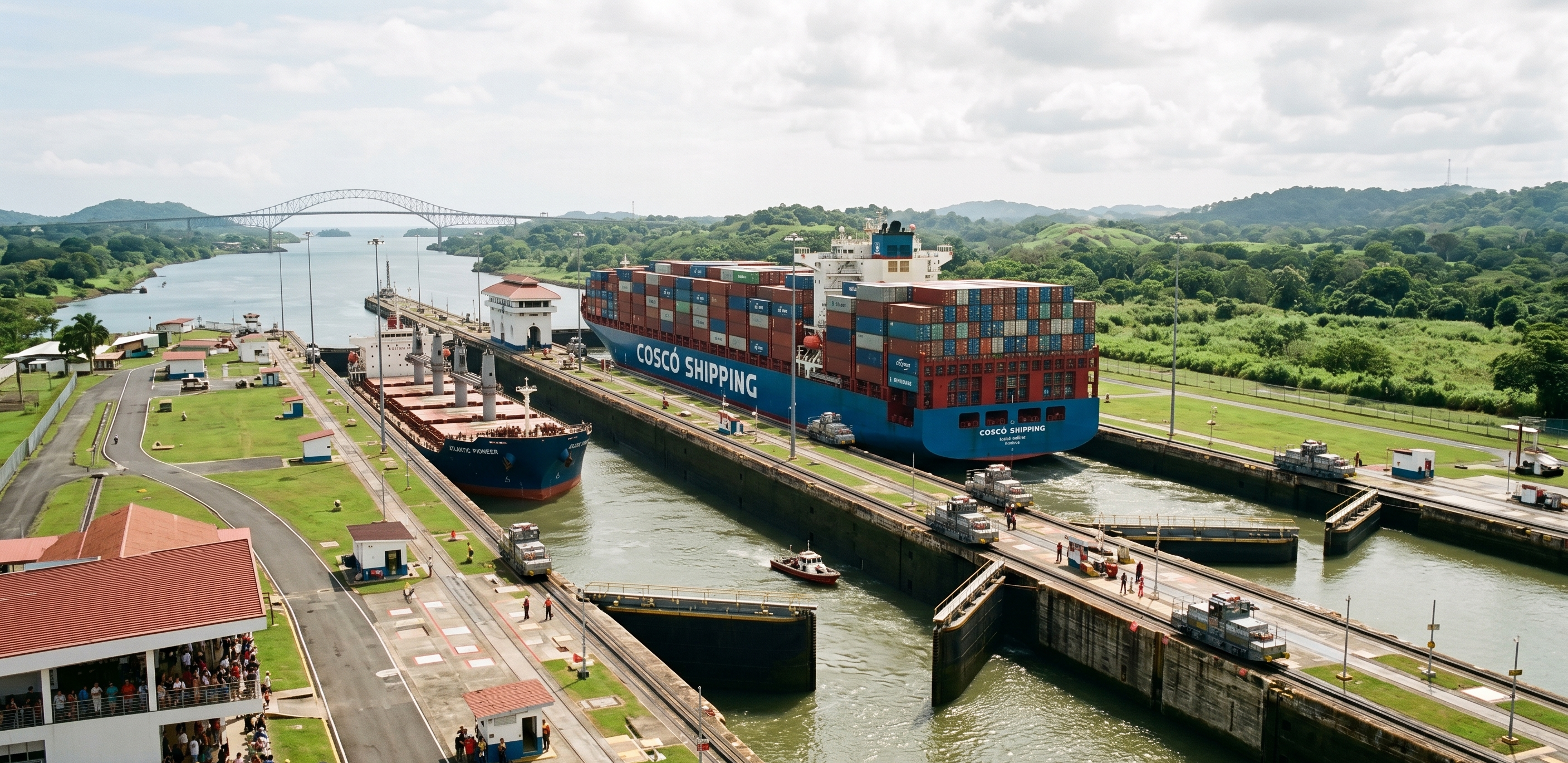
Global shipping patterns are showing measurable adjustment as vessel traffic through the Panama Canal rises, driven in part by disruptions and elevated risk conditions linked to ongoing conflict in the Middle East. The shift reflects how geopolitical instability is increasingly influencing maritime logistics, forcing carriers to reassess traditional routing strategies. For global investors, including those in Israel exposed to trade, commodities, and logistics-linked sectors, the development underscores the sensitivity of supply chains to regional conflict dynamics.
Shipping Routes Adjust as Geopolitical Risk Reprices Global Logistics
The increase in Panama Canal traffic reflects a broader rerouting trend as shipping companies seek alternative paths to reduce exposure to geopolitical risk zones. While precise figures vary by carrier and vessel class, market reports indicate a notable uptick in transits compared with earlier periods of more stable maritime conditions.
The Middle East remains a critical junction for global trade, particularly through chokepoints such as the Red Sea and surrounding maritime corridors. Heightened security risks have led some operators to reconsider routes that pass through these areas, even when they offer shorter transit times. As a result, the Panama Canal has become a more attractive alternative for certain Asia–Americas and Europe–Americas trade flows.
This shift illustrates how geopolitical shocks can rapidly alter global logistics efficiency, with routing decisions increasingly driven by risk mitigation rather than pure cost optimization.
Freight Economics Reflect Higher Routing Volatility
The rerouting of vessels has implications for freight pricing and shipping economics. Longer or alternative routes generally increase fuel consumption, crew time, and insurance costs, all of which contribute to higher overall shipping expenses. Even marginal increases in transit distance can have amplified cost effects in bulk shipping and containerized trade.
Insurance premiums for vessels operating near conflict zones have also risen, reinforcing incentives to divert traffic. This has created a feedback loop in which perceived risk, rather than actual disruption, influences shipping decisions and pricing structures.
For global supply chains, including those connected to European manufacturing hubs and Asian export markets, these adjustments introduce additional variability in delivery schedules and logistics planning. Israeli trade-linked sectors, particularly those tied to imports and exports, are indirectly exposed to these shifting cost dynamics.
Strategic Importance of Canal Infrastructure Strengthens
The Panama Canal’s role as a stabilizing alternative route is being reinforced by current geopolitical conditions. As global shipping networks face regional disruptions, major transit infrastructure is regaining strategic importance in balancing efficiency and risk exposure.
However, the canal itself is also subject to operational constraints, including capacity limits, water level conditions, and scheduling bottlenecks. Increased demand can therefore introduce congestion risks, partially offsetting the benefits of rerouted traffic.
Shipping companies are increasingly operating in an environment where multiple chokepoints—from the Suez Canal to the Strait of Hormuz and now alternative routes via Panama—must be continuously evaluated against geopolitical developments.
Outlook: Geopolitics Remains the Key Driver of Maritime Flows
Looking ahead, global shipping patterns are expected to remain highly sensitive to developments in the Middle East conflict and broader geopolitical stability across key maritime regions. Any escalation could further accelerate rerouting trends, while stabilization may gradually normalize traffic distribution.
Key risks include sustained disruption in critical waterways, rising insurance and fuel costs, and potential congestion in alternative routes such as the Panama Canal. On the other hand, improved security conditions could reduce rerouting pressures and restore more efficient global trade flows.
For global investors, including those in Israel, shipping and logistics trends remain an important indicator of how geopolitical risk is translating into real economic costs. Maritime flows are increasingly functioning as a real-time gauge of global risk sentiment, with infrastructure bottlenecks and route shifts shaping the broader trade and inflation environment.
Comparison, examination, and analysis between investment houses
Leave your details, and an expert from our team will get back to you as soon as possible
* This article, in whole or in part, does not contain any promise of investment returns, nor does it constitute professional advice to make investments in any particular field.
To read more about the full disclaimer, click here
- Ronny Mor
- •
- 8 Min Read
- •
- ago 1 hour
SKN | Asian Markets Decline on April 29 as Broad Selloff Weighs on Japan, Hong Kong, and India
Asian equity markets opened Wednesday, April 29 with a broadly negative tone as investors moved to reduce risk exposure during
- ago 1 hour
- •
- 8 Min Read

Asian equity markets opened Wednesday, April 29 with a broadly negative tone as investors moved to reduce risk exposure during

- orshu
- •
- 6 Min Read
- •
- ago 6 hours
SKN | Markets Pull Back on April 28, 2026 as Tech and Small Caps Lead Broad Declines Despite Low Volatility
U.S. equity markets closed lower on Tuesday, April 28, 2026, as investors took profits following a strong rally in recent
- ago 6 hours
- •
- 6 Min Read
U.S. equity markets closed lower on Tuesday, April 28, 2026, as investors took profits following a strong rally in recent
- orshu
- •
- 5 Min Read
- •
- ago 9 hours
SKN | Is Coke Zero the Most Important Product Innovation in Coca-Cola’s Modern Growth Story?
Coca-Cola executives have highlighted Coke Zero as the company’s most successful product innovation in more than two decades, crediting
- ago 9 hours
- •
- 5 Min Read

Coca-Cola executives have highlighted Coke Zero as the company’s most successful product innovation in more than two decades, crediting
- Ronny Mor
- •
- 5 Min Read
- •
- ago 10 hours
SKN | Oil Rebounds Despite Ceasefire Signals as OPEC Unity Faces New Test
Oil prices rebounded after initially declining on ceasefire expectations, as markets reassessed geopolitical risks following Iran’s reported peace proposal
- ago 10 hours
- •
- 5 Min Read

Oil prices rebounded after initially declining on ceasefire expectations, as markets reassessed geopolitical risks following Iran’s reported peace proposal

