


- Ronny Mor
- •
- 7 Min Read
- •
- 2 months ago
Key Points
- The CBOE Volatility Index (VIX) experienced a significant mid-week surge toward the 18.00 level before retreating to end the week near 15.86.
- Despite intraday fluctuations, the "Fear Gauge" remains within a moderate range, suggesting that while investor anxiety spiked, systemic panic remains absent.
- Market participants are balancing geopolitical tensions and macroeconomic data, leading to a localized peak in hedging activity followed by a return to baseline stability.
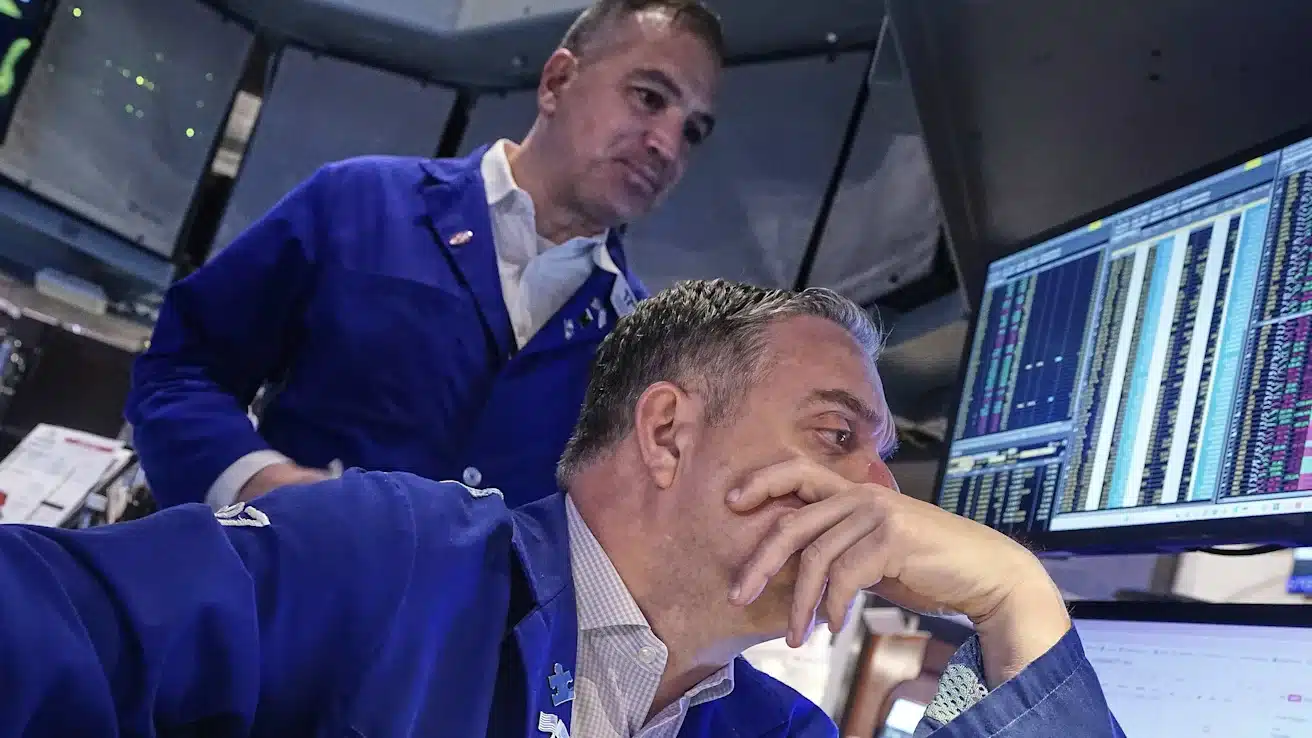
The global equity markets navigated a period of heightened sensitivity this week, as reflected in the shifting trajectory of the CBOE Volatility Index (VIX). While the index opened the period with a relatively subdued posture, a distinct mid-week transition highlighted a brief but sharp recalibration of risk appetites among institutional and retail investors alike. This movement underscores a broader narrative of market resilience as traders weigh persistent inflationary signals against a generally robust corporate earnings backdrop.
The Anatomy of the Mid-Week Volatility Spike
The middle of the trading week saw the VIX climb from its lows near 15.00 to a peak testing the 18.00 resistance level. This upward movement was driven by a temporary vacuum in certainty, likely catalyzed by shifting expectations regarding central bank policy and heightened sensitivity to global macroeconomic reports. In technical terms, the move represented a 9.45% increase from the week’s trough, signaling a rapid increase in the demand for S&P 500 index options as a hedge against downside risk. This period of “price discovery” for volatility suggests that while the floor for market anxiety has risen slightly, the ceiling remains capped by steady liquidity and a lack of immediate catastrophic catalysts.
Stabilization and Mean Reversion
Following the peak on January 14th and early 15th, the index began a consistent descent, eventually settling at 15.86 by the Friday close. This mean reversion indicates that the initial drivers of the spike—whether they were geopolitical headlines or technical sell-offs—did not result in a sustained trend change. For the Israeli investor and global observers, this cooling-off period is a vital indicator of investor confidence. The ability of the market to absorb shocks and return to a sub-16 level suggests that the prevailing “base case” for the global economy remains one of a soft landing, rather than a descent into a high-volatility regime.
Contextualizing Risk in a Global Framework
When analyzing the 52-week range of 13.38 to 60.13, current levels appear remarkably disciplined. The recent price action at 15.86 places the market in a “neutral-plus” zone, where awareness of risk is present but not paralyzing. Within the context of the Israeli financial landscape, this global stability provides a necessary buffer, allowing local markets to decouple from broader panic and focus on domestic economic growth and fiscal stability. The low volume and steady pricing toward the end of the week reflect a market that has effectively “priced in” current known unknowns, moving away from the speculative fervor seen during the mid-week peak.
Forward-Looking Outlook and Risk Monitoring
Looking ahead, the primary focus for the coming weeks will be whether the VIX can sustain its position below the 17.00 threshold. Investors should closely monitor upcoming Consumer Price Index (CPI) data and upcoming corporate guidance, as these remain the most likely catalysts for a renewed surge in the volatility index. While the current positive momentum in risk stabilization is encouraging, the wide 52-week ceiling of 60.13 serves as a reminder of how quickly the environment can shift. The strategic opportunity lies in identifying periods of artificial spikes to rebalance portfolios, while the primary risk remains a sudden shift in interest rate expectations. For now, the “wait and see” approach dominates, with an emphasis on diversified assets and disciplined risk management as the market seeks its next direction.
Comparison, examination, and analysis between investment houses
Leave your details, and an expert from our team will get back to you as soon as possible
* This article, in whole or in part, does not contain any promise of investment returns, nor does it constitute professional advice to make investments in any particular field.
To read more about the full disclaimer, click here
- Arik Arkadi Sluzki
- •
- 7 Min Read
- •
- ago 2 hours
SKN | Formula 1 Faces Strategic Test as Middle East Tensions Intensify
Global sporting events are increasingly intersecting with geopolitical risk, and Formula 1 is now facing the possibility of significant calendar
- ago 2 hours
- •
- 7 Min Read

Global sporting events are increasingly intersecting with geopolitical risk, and Formula 1 is now facing the possibility of significant calendar

- Lior mor
- •
- 7 Min Read
- •
- ago 2 hours
SKN | Uber Co-Founder Travis Kalanick Launches Atoms: A New Bet on Specialized Robotics
The global race to develop advanced automation technologies is accelerating as companies search for ways to improve productivity and
- ago 2 hours
- •
- 7 Min Read

The global race to develop advanced automation technologies is accelerating as companies search for ways to improve productivity and

- orshu
- •
- 6 Min Read
- •
- ago 2 hours
SKN | Markets Extend Decline on March 13, 2026 as Dollar Surges and Volatility Stays Elevated
U.S. equity markets closed lower on Friday, March 13, 2026, extending the week’s losses as investors remained cautious amid rising
- ago 2 hours
- •
- 6 Min Read

U.S. equity markets closed lower on Friday, March 13, 2026, extending the week’s losses as investors remained cautious amid rising
- orshu
- •
- 7 Min Read
- •
- ago 8 hours
SKN | Israel Market Close – March 12, 2026: Tel Aviv Stocks Slide Sharply as Broad Selloff Hits Mid-Caps and Value Shares
Israeli markets closed significantly lower on March 12, 2026, as widespread selling pressure pushed most major indices into negative territory.
- ago 8 hours
- •
- 7 Min Read

Israeli markets closed significantly lower on March 12, 2026, as widespread selling pressure pushed most major indices into negative territory.

